Best Water for Bonsai: Tap, Rain, or Filtered?
Tap, rain, or filtered water for bonsai? Learn which source works best, what to check in your tap, and simple fixes for hard water problems.
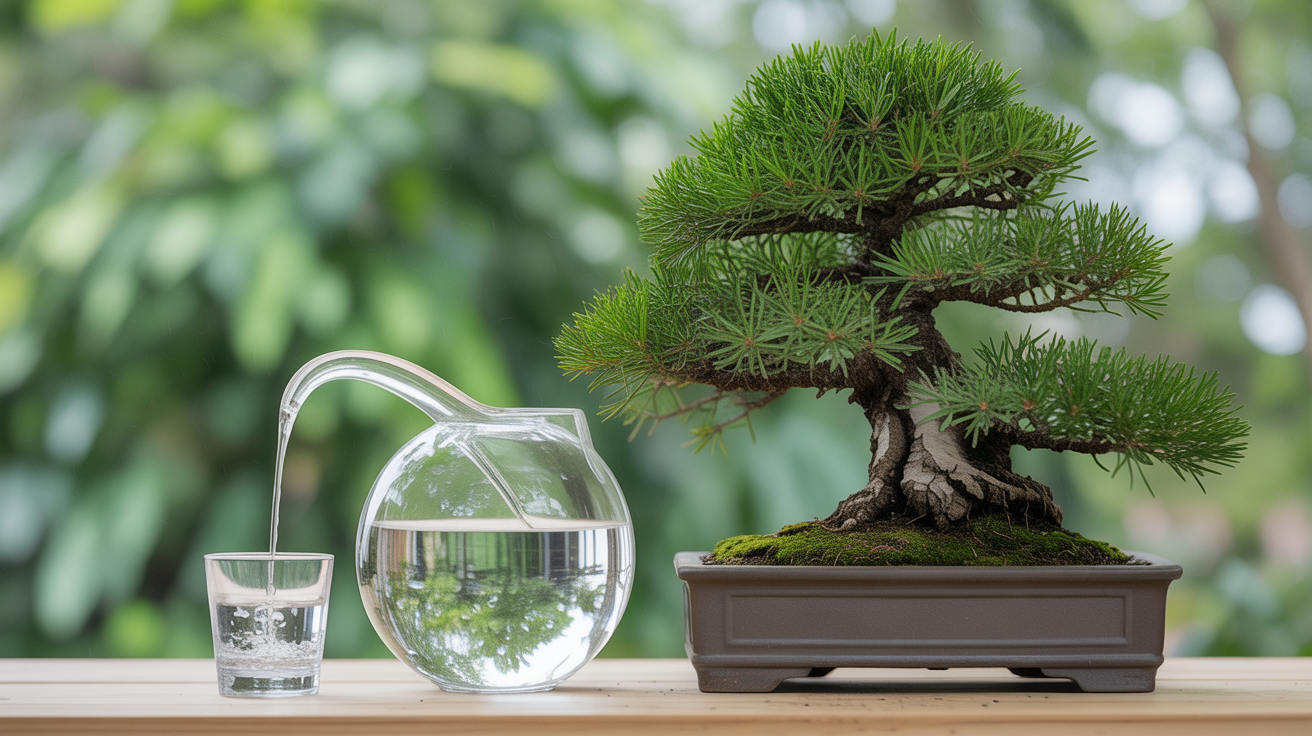
The short answer: rainwater is ideal, filtered water is a reliable second choice, and tap water works fine in many areas. What matters most is getting water to your tree regularly in the right amount. Water quality is worth caring about, but it rarely deserves the panic it sometimes causes in beginner forums.
Here is what you actually need to know about each option.
Tap Water for Bonsai
Tap water is what most people start with, and for many growers it works without any intervention at all. The main things to check are chlorine levels and hardness.
Chlorine and Chloramine
Municipal water is treated with chlorine or chloramine to make it safe to drink. Chlorine dissipates on its own if you leave water in an open container overnight. Chloramine does not evaporate the same way, though the levels in tap water are generally low enough that they do not cause visible harm to most bonsai.
If your tree looks generally healthy, your tap water is probably fine as-is. You can fill a watering can the night before to let any chlorine off-gas if you want to be cautious.
Hard Water and Mineral Buildup
Hard water carries dissolved calcium and magnesium carbonates. Over time these minerals deposit as a white crust on the soil surface and pot rim. That buildup is mostly cosmetic, but in very hard water areas, it can gradually raise the soil pH, which affects how well your tree absorbs nutrients.
Signs that hard water may be causing problems:
- White or grey crust on the soil or pot
- Leaves yellowing despite regular feeding
- Soil that feels compacted and seems to repel water
If you see these symptoms, mixing in some rainwater or switching to filtered water for a few months will often reverse the problem. Occasional flushing where you water heavily until runoff carries excess minerals out of the soil also helps.
Rainwater for Bonsai
Rainwater is close to pH-neutral, soft, and free of chlorine and heavy minerals. Trees that get regular rainwater tend to look noticeably healthy over time, especially species that are sensitive to alkaline conditions like Japanese maples and azaleas.
Collecting rainwater is straightforward. A clean barrel or bucket placed outside under a gutter downspout fills quickly during rain. You do not need a complex filtration system. The main thing to watch is the container itself: keep it covered when not in use so debris, mosquitoes, and algae do not build up inside.
If you live somewhere with air pollution, let the first few minutes of rain run off before collecting. The initial rinse of the atmosphere carries more particulates.
Filtered or Purified Water
A basic carbon filter (the kind that fits on a faucet or sits in a pitcher) removes chlorine and improves taste but does not significantly reduce mineral hardness. For most tap water this is a useful improvement, and the cost is low.
Reverse osmosis (RO) filtration removes nearly everything, including minerals. This gives you extremely pure water, which sounds ideal but actually requires you to add nutrients back in because there is nothing left for roots to interact with. RO water is used by some experienced growers who want precise control over soil chemistry, but it adds a layer of management that most beginners do not need.
For the majority of people with a reliable tap supply, a pitcher filter or a night of off-gassing is plenty.
Comparing Your Options
| Water Type | pH | Hardness | Chlorine | Best Use |
|---|---|---|---|---|
| Tap (soft area) | 6.5-7.5 | Low | Present | Daily use, good to go |
| Tap (hard area) | 7.5-8.5 | High | Present | Flush periodically, blend with rain |
| Rainwater | 5.5-7.0 | Very low | None | Ideal for any species |
| Carbon-filtered | ~6.5-7.5 | Reduced | Removed | Good daily option |
| RO water | ~7.0 | Near zero | Removed | Advanced use with nutrient management |
What to Watch in Your Own Tree
Rather than stressing over the "perfect" water source, pay attention to your tree. A healthy tree with good color, steady growth, and soil that dries at a normal rate is telling you that your current water routine is working.
The clues that water quality might be a factor include persistent leaf tip burn, soil that becomes hydrophobic, or a steadily rising crust of white mineral deposits. These are worth investigating, but they develop slowly and you will have plenty of time to adjust.
Learning how to water properly matters at least as much as what you water with. Consistently getting water through the whole root zone is the foundation everything else builds on. From there, understanding how often your tree needs water will help you build a reliable routine. And if you are unsure how your watering is landing, checking for over or underwatering signs is a useful habit while you are still calibrating.
Practical Tips for Everyday Watering
- Fill your watering can the night before to let chlorine dissipate and bring the water to room temperature in winter.
- Collect a small rain barrel if your climate allows it and supplement tap water with rain when convenient.
- Flush the soil thoroughly every few weeks in hard water areas by watering until water runs freely from the drainage holes.
- Avoid using water that has sat in a hose baking in the sun. Let it run until cool before watering.
- Distilled water from the grocery store is an occasional option if you notice your tap water is causing problems, but it is not a practical long-term source.
Frequently Asked Questions
Is tap water safe for bonsai? In most cases, yes. The main concerns are high mineral content (hardness) and chlorine. Chlorine dissipates overnight in an open container. If your tap water is hard, flushing the soil regularly and mixing in some rainwater when available will prevent mineral buildup from becoming a problem.
How do I know if my water is too hard for bonsai? A cheap aquarium test strip will give you a quick reading. Most bonsai do well with water between 50 and 150 ppm of dissolved solids. Above that range, you may notice white deposits on the soil surface and pot over time. Your local water utility also publishes annual water quality reports, which are worth checking if you are curious.
Can I use rainwater all the time? Yes, and many experienced growers prefer it for species that are sensitive to alkaline conditions. The practical limit is supply: during dry stretches you will need to supplement with tap or filtered water. Mixing the two is perfectly fine.
Do I need a reverse osmosis filter for bonsai? No, not as a beginner. RO water is useful for growers who want exact control over soil chemistry, but it strips out everything and requires you to manage nutrients more carefully. A simple carbon pitcher filter or collected rainwater covers what most people need.
Does water temperature matter? Cold water from the hose in winter can shock roots, especially for indoor tropical trees. Room-temperature water is gentler. Leaving your watering can filled overnight solves both the temperature and chlorine problems at once.