Bonsai Soil Explained: What Mix to Use
Learn which bonsai soil actually works for beginners, why regular potting mix kills trees, and how to build or buy the right blend.
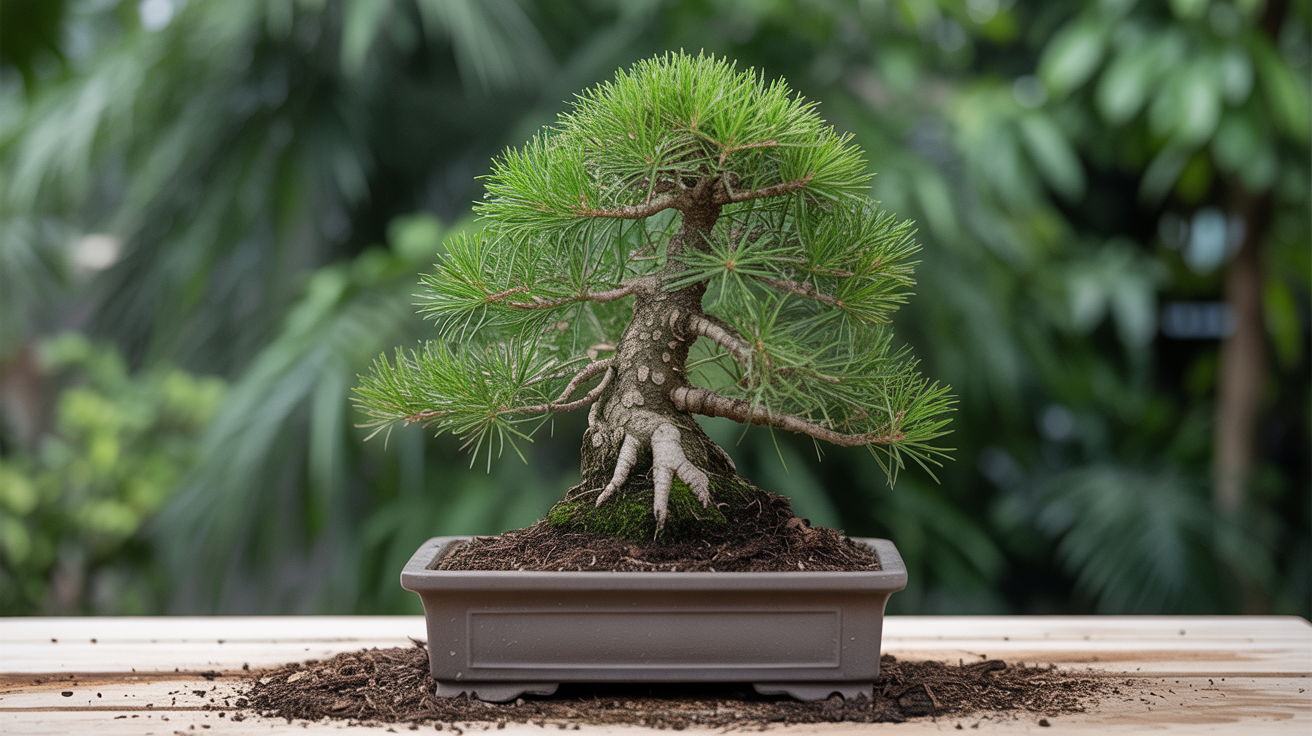
The single most common reason beginner bonsai trees die is bad soil. Not bad watering, not bad placement. Bad soil. The wrong mix stays wet too long, roots suffocate, and by the time you notice something is wrong it's usually too late. Good bonsai soil for beginners drains fast, holds just enough moisture, and lets air reach the roots between waterings. This guide explains what that means in practice and how to get there without spending a fortune.
Why bonsai soil is different from regular potting mix
Regular potting soil is designed to stay moist. That's great for most houseplants. For bonsai, it's a slow death sentence.
Bonsai trees live in tiny pots with almost no soil volume. When you water them, the roots need to wet out quickly and then drain completely within a few minutes. If the soil holds moisture for days, the fine feeder roots that absorb nutrients sit in stagnant wet soil and begin to rot. The tree weakens, starts dropping leaves, and stops responding to fertiliser. The whole time, the top of the soil looks fine.
Good bonsai soil is mostly inorganic: small particles of fired clay, volcanic rock, or similar material. These particles don't compact over time, they don't break down into a soggy paste, and they create tiny air pockets between them. Roots love that structure.
Can you use regular potting soil for bonsai?
Honestly, not really. You can keep a tree alive in potting soil short-term if you water very carefully and the pot drains well. But most potting mixes are too fine, they compact after a few waterings, and the peat or coco coir in them holds water against the roots. For learning the basics of bonsai, starting with proper soil just removes one major variable. It's worth the small extra cost.
Some beginners mix potting soil with coarse grit or perlite to improve drainage. This is better than straight potting mix, but you still end up with organic matter that breaks down over time. If you repot every one to two years (which beginners often forget to do), you can make it work temporarily. Just know you're working around the problem rather than solving it.
The classic mix: akadama, pumice, and lava rock
Most bonsai soil recipes you'll encounter are some version of three ingredients: akadama, pumice, and lava rock. These come from Japan and have been the standard in bonsai for decades because they work reliably.
Akadama is a granular fired clay from Japan. It holds a small amount of water and breaks down slowly over time, which actually encourages fine root development as roots can penetrate the softening particles. It goes brown when wet and pale when dry, which makes it useful as a visual watering indicator.
Pumice is a volcanic mineral. It drains almost instantly, holds almost no water, and provides excellent aeration. It's harder than akadama and lasts longer before breaking down.
Lava rock (also called Kiryu or red lava) is another volcanic material. It drains well, retains a little more moisture than pumice, and its rough surface encourages roots to anchor well. It also lasts a long time without breaking down.
A typical starting ratio for most deciduous and outdoor trees is roughly 50% akadama, 25% pumice, 25% lava rock. For trees that prefer drier conditions (like junipers, pines, and most conifers), you'd shift toward more pumice and lava, reducing the akadama percentage. For trees that like a bit more moisture (like maples or elms in a hot climate), you might keep the akadama proportion higher.
These ratios aren't rules. They're starting points. Your climate, the size of your pot, and how often you water will all affect how you adjust over time.
Buying pre-made bonsai soil vs. mixing your own
You don't have to mix your own. Several companies sell pre-mixed bonsai soil that's already blended to sensible ratios. For a beginner with one or two trees, buying a bag of pre-made mix is practical. It's consistent, it comes in appropriate particle sizes, and it removes the hassle of sourcing three separate ingredients.
Look for mixes described as "inorganic" or that list akadama, pumice, or lava rock on the label. Avoid anything that calls itself "all-purpose" or that feels soft and spongy when you squeeze a handful. Good bonsai soil feels gritty and holds its shape loosely without clumping.
If you start building a collection of five or more trees, mixing your own becomes cost-effective quickly. You can buy akadama, pumice, and lava rock in bulk, sieve them to the right particle size (2 to 6mm is a common target for most trees), and mix to whatever ratio suits your conditions.
Particle size matters
This is something beginner resources often skip. If your soil particles are too small (under about 2mm), they'll compact over time and the drainage benefits disappear. If they're too large, water rushes straight through before roots can absorb any moisture.
For small pots (under 15cm), aim for particles in the 2 to 4mm range. For larger pots, you can go up to 6 to 8mm. It's worth sieving your purchased ingredients to remove the fine dust at the bottom of the bag. That dust fills the air gaps and undoes the drainage properties you paid for.
A note on organic content
Some soil blends include a small percentage of organic matter, fine bark, or composted material. This isn't necessarily wrong. Organic material can hold nutrients and encourage some beneficial microbial activity. But the percentage should stay low, usually under 20%.
High organic content creates two problems. First, it retains moisture and increases the risk of root rot. Second, it breaks down over time and compacts the soil, which means the drainage that was fine in year one can be terrible by year three. Regular repotting (every one to two years for fast-growing species, every three to five for slower ones) partly addresses this, but starting with mostly inorganic soil reduces how much the mix degrades between repots.
Watering and soil work together
The best bonsai soil mix in the world won't save a tree that's being watered on a fixed schedule. Soil and watering approach are linked. A fast-draining mix means the soil dries out faster, which means you'll likely water more frequently, sometimes daily in summer. That sounds like more work, but it's actually safer: you water when the tree needs it, and overwatering becomes almost impossible if the soil drains properly.
Learning to read your tree's watering needs becomes much easier when your soil behaves predictably. Organic mixes that hold water inconsistently make it very hard to build a reliable watering instinct.
If you're ever unsure whether your current soil is the problem, look for these signs of overwatering or underwatering. Yellowing leaves, soggy soil that never seems to dry, or a pot that feels heavy days after watering all point to a drainage problem that better soil would help fix.
Quick reference: soil by tree type
| Tree type | Suggested mix | Notes |
|---|---|---|
| Juniper, pine (conifers) | 30% akadama / 40% pumice / 30% lava | Prefers drier conditions |
| Japanese maple | 50% akadama / 25% pumice / 25% lava | Appreciates more moisture |
| Chinese elm | 50% akadama / 25% pumice / 25% lava | Adaptable; standard mix works |
| Ficus (indoor) | 40% akadama / 30% pumice / 30% lava | Good drainage, consistent watering |
| Tropical species | 50% akadama / 25% pumice / 25% lava + small organic fraction | Check species-specific advice |
These are guidelines. Local climate and your own watering habits may mean you need to adjust.
Frequently asked questions
Can I use cactus mix for bonsai?
Cactus mix is better than standard potting soil because it drains faster. But most cactus mixes still contain a fair amount of organic material and fine particles. In a pinch, mixing cactus soil 50/50 with coarse perlite or grit can work short-term. For anything you want to keep healthy long-term, switching to a proper inorganic mix at the next repotting is worth it.
Where can I buy akadama and pumice?
Specialist bonsai nurseries stock all three ingredients. Online bonsai suppliers are often the most practical source if there's no local nursery. Some garden centres carry pumice or perlite as soil amendments, though the particle size may be too fine for bonsai. Search for "bonsai soil components" or "bonsai substrate" to find suppliers who package them at the right size.
How often should I replace bonsai soil?
Deciduous trees are typically repotted every one to two years while young, every three to five years once mature. Conifers need repotting less often, roughly every three to five years. The right time is when roots start circling the pot or the soil drainage starts to slow noticeably. Spring, just before buds open, is the usual repotting window for most species.
My tree came in what looks like regular dirt. Should I repot right away?
If the tree looks healthy and is actively growing, wait until spring before repotting. Repotting is a stress event, and a tree that's already stressed from being moved to a new home doesn't need the added shock. If the soil is clearly water-logged and the tree is showing signs of decline, a cautious soil refresh earlier might be worth the risk. When in doubt, ask someone at a local bonsai club or nursery who can look at the actual tree.
Does the pot material affect which soil I should use?
To some extent, yes. Unglazed ceramic pots are slightly porous and allow moisture to evaporate through the walls, which means the soil dries a bit faster than in a glazed or plastic pot. If you're using a very porous unglazed pot in a hot climate, you might keep akadama percentage a little higher to slow drying. In a humid climate with a plastic training pot, lean toward more pumice and lava. It comes down to observation. Check how quickly your soil dries after watering and adjust your mix at the next repot if the timing is off.