How to Fertilize a Bonsai Tree Through the Year
Learn how to fertilize a bonsai tree through every season, choose the best bonsai fertilizer, and build a simple feeding schedule for beginners.
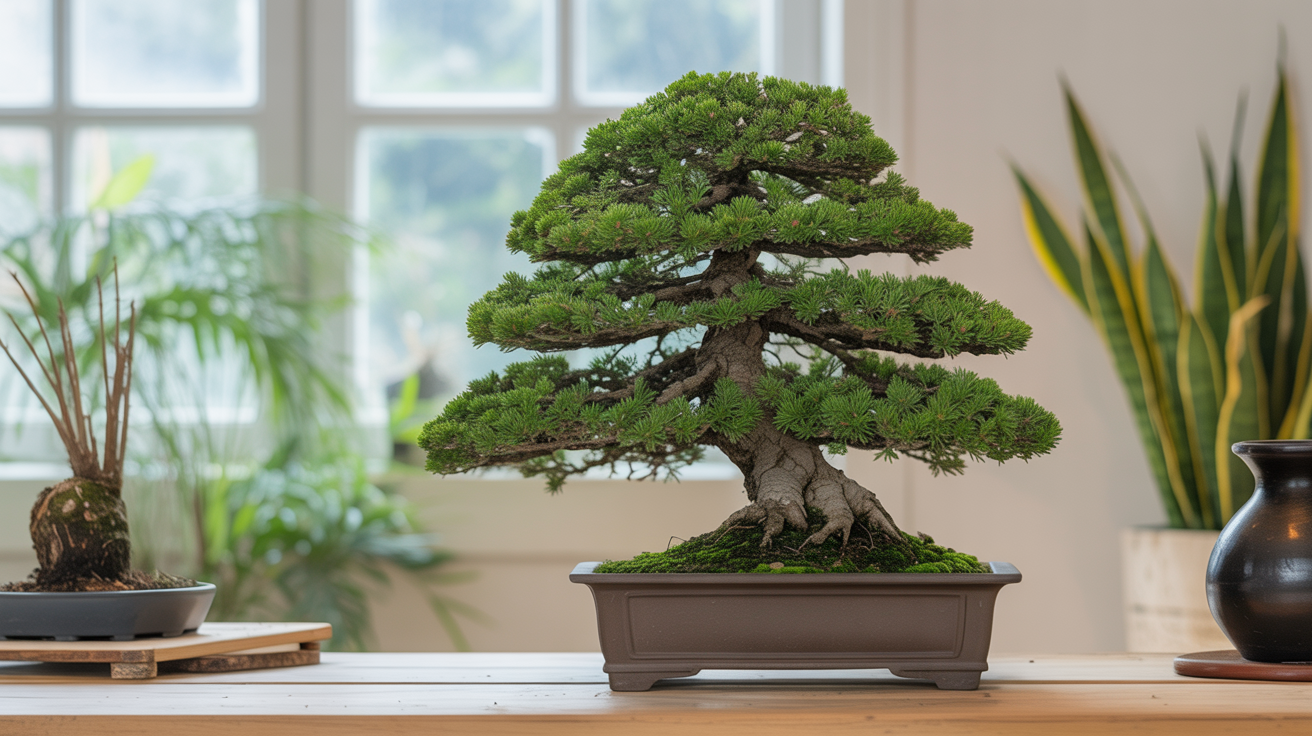
Bonsai soil is designed to drain fast, which is great for roots but means nutrients wash out quickly too. Regular fertilizing replaces what each watering session carries away. Get the timing and amounts roughly right, and your tree rewards you with compact, healthy growth. Get it badly wrong in either direction, and the damage shows up weeks later in yellowing leaves or burned root tips.
This guide walks through what to feed, how much, and when, month by month across the year.
Why Bonsai Need Regular Fertilizing
Outdoor plants in the ground can send roots far in search of nutrients. A bonsai lives in a shallow tray with a few cups of gritty soil. Once those nutrients are depleted, nothing replenishes them automatically.
Fertilizer supplies three primary nutrients your tree relies on:
- Nitrogen (N): Drives leafy, green growth and branch extension.
- Phosphorus (P): Supports root development and flower or fruit production.
- Potassium (K): Strengthens cell walls and helps the tree handle stress, heat, and cold.
You will see these listed as an N-P-K ratio on every bag or bottle. A 10-10-10 fertilizer has equal parts of each. A 12-6-6 is heavier on nitrogen.
Choosing the Best Bonsai Fertilizer
There is no single best bonsai fertilizer for every tree. The choice comes down to the time of year and what your tree is doing at that point.
Balanced fertilizers (N-P-K roughly equal) work well for most of the growing season. Many beginners start here and get solid results.
High-nitrogen fertilizers encourage fast extension in spring when you want the tree pushing new shoots.
Low-nitrogen or phosphorus-forward fertilizers are useful in late summer and autumn, when you want the tree hardening off rather than throwing out soft new growth that cannot handle cold.
Liquid vs. Granular vs. Slow-Release Pellets
- Liquid fertilizers are diluted in water and applied during watering. They work fast and let you adjust the dose easily. Good choice for beginners because you can see results quickly.
- Granular fertilizers sit on the soil surface and release nutrients as water passes through. They are easy to apply but harder to pull back if you overdose.
- Slow-release pellets (like Biogold or Osmocote) break down over weeks. They are forgiving and popular with experienced growers, but you cannot reduce the dose once they are in.
Organic fertilizers are gentler than synthetic ones. They feed soil microbes, which in turn release nutrients gradually. For beginners, a diluted liquid organic fertilizer applied weekly is hard to mess up.
When to Fertilize Bonsai: A Month-by-Month Guide
The right time to feed follows the tree's own rhythm. When the tree is growing, it can use nutrients. When it is dormant, it cannot, and pushing fertilizer at the wrong time causes more harm than good.
Early Spring (March to April)
This is when most temperate trees start pushing new buds. As soon as you see movement, begin fertilizing. Use a balanced or slightly nitrogen-heavy fertilizer to support that first flush of growth.
Start at half the recommended dose for the first couple of applications. Roots are just waking up, and a heavy hit of nutrients before they are fully active can cause salt burn.
Late Spring Through Summer (May to August)
Active growing season. This is when you feed most frequently. A balanced fertilizer applied every one to two weeks keeps steady nutrients available.
If your tree is producing flowers or fruit, switch to a phosphorus-forward fertilizer for a few weeks after flowering to support fruit set and root development.
Keep an eye on watering during hot spells. Fertilizer sits at higher concentrations in dry soil, so water your bonsai consistently before applying any feed.
Late Summer to Early Autumn (August to September)
Start tapering nitrogen. The goal now is to harden the current year's growth before cold arrives. Soft, nitrogen-driven shoots that have not had time to firm up are vulnerable to frost damage and disease.
Switch to a low-nitrogen fertilizer, or use your balanced fertilizer at half strength every two to three weeks rather than weekly.
Autumn (October to November)
Continue light feeding with a low-nitrogen formula until the leaves drop or growth visibly stops. Some growers apply one final dose of a phosphorus and potassium feed before the tree goes dormant to support root health over winter.
Do not feed a tree that has already gone dormant. The nutrients have nowhere to go and can stress roots rather than support them.
Winter (December to February)
Most temperate bonsai need a cold dormancy period. Do not fertilize during this time. If you keep a tropical or subtropical species indoors year-round and it continues producing new leaves, you can maintain a very light feeding schedule every four to six weeks at quarter strength.
How Often to Feed Bonsai
A common beginner question is how often to fertilize. There is no single right answer, but here is a workable starting point:
| Season | Frequency | Fertilizer Type |
|---|---|---|
| Early spring | Every 2 weeks | Balanced or high-N |
| Late spring to mid-summer | Every 1 to 2 weeks | Balanced |
| Late summer | Every 2 to 3 weeks | Low-N |
| Autumn | Every 3 to 4 weeks | Low-N or P-K focused |
| Winter | None (tropical: every 4-6 weeks at 1/4 strength) | Balanced at very low dose |
Err on the side of underfeeding rather than overfeeding. A slightly hungry tree grows slowly. An overfed tree can develop root burn, and you may not notice until the damage is well advanced.
Signs You Are Getting It Right (and Wrong)
Healthy fertilizing looks like: steady compact growth, leaves a good size for the species and not oversized, branches that firm up and lignify over the season, and a tree that recovers well after pruning.
Underfeeding shows up as pale or yellowing leaves when the tree should be actively growing, slow extension, and small leaves that look slightly washed out.
Overfeeding can cause leaf edges that look burned or brown, very large soft leaves on species that should produce small ones, and in severe cases, wilting that does not improve after watering your bonsai. White salt crust on the soil surface is a sign that nutrients are building up and the soil needs a thorough flush.
If you suspect salt buildup, water the tree deeply several times in a row without any fertilizer added, and let things reset before resuming your feeding schedule.
Frequently Asked Questions
Can I use regular houseplant fertilizer on a bonsai?
Yes, in most cases. A balanced liquid houseplant fertilizer diluted to half the label rate works fine as a starting point. Bonsai-specific fertilizers are not magic. What matters is the N-P-K ratio and how often you apply it. Avoid fertilizers with added wetting agents or systemic pesticides, which can damage the soil ecosystem over time.
My tree is newly repotted. Should I fertilize it?
Wait four to six weeks after repotting before resuming fertilizer. Root work stresses the tree and damages fine feeder roots. Give those roots time to recover and establish in fresh soil before adding nutrients. Feeding too soon can burn the tender new growth on damaged roots.
Is it possible to overfertilize a bonsai?
Yes. Excess fertilizer is more damaging than a modest deficit. If you are unsure, feed at half the recommended dose and increase only if the tree shows signs of deficiency. Consistent, modest feeding beats occasional heavy applications.
Do indoor bonsai need fertilizing year-round?
Tropical species kept indoors in warm conditions continue growing through winter and need light fertilizing to support that growth. Cut the dose to a quarter of the active-season amount and apply every four to six weeks. If the tree shows almost no new growth during winter even indoors, pull back further or stop until you see activity resume.
What if I forget to fertilize for a month?
Nothing dramatic will happen. Pick up where you left off. A missed week or two during the growing season means the tree had a slight nutrient gap. Resume your normal schedule and the tree will catch up. Bonsai are forgiving of the occasional lapse; they are not forgiving of salt burn from overfeeding or of overwatering or underwatering problems that compound with nutrient stress.