How to Keep a Bonsai Watered While You're Away
Going on vacation? Learn how to keep your bonsai alive with self-watering setups, wicks, and a reliable plant-sitter plan.
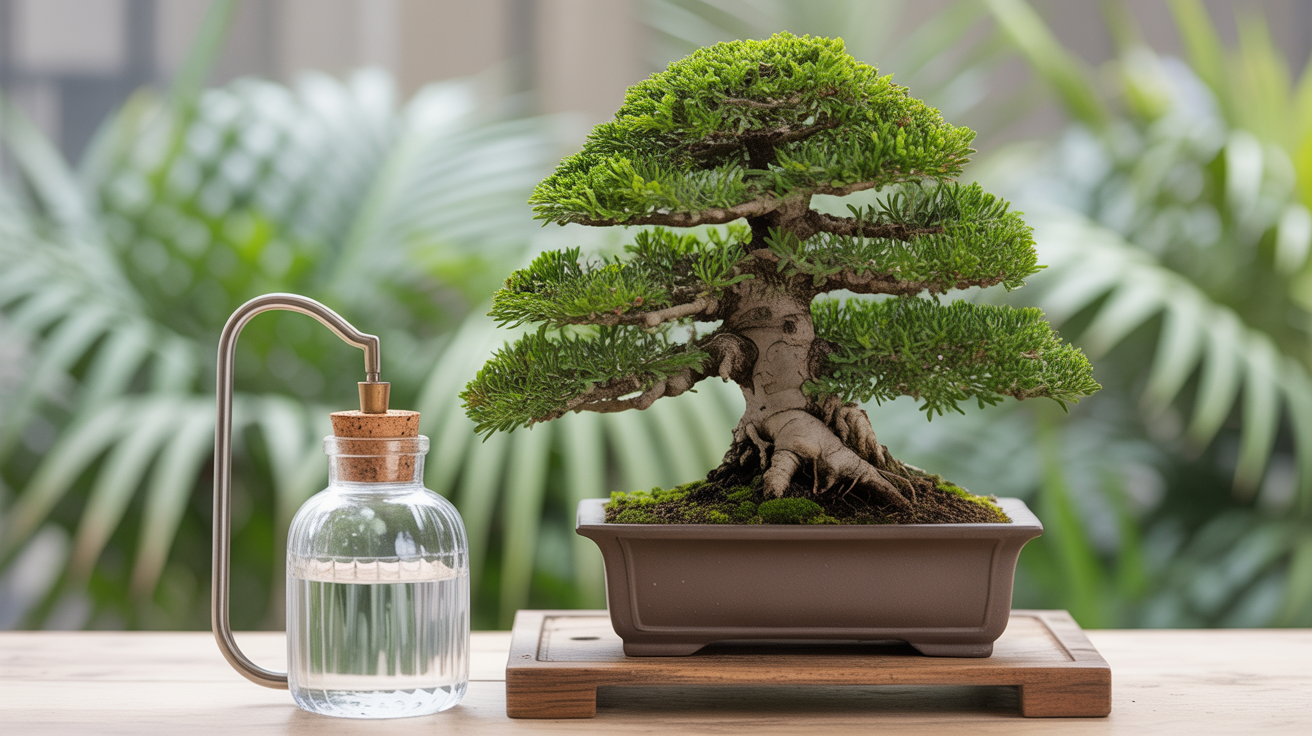
A weekend trip is usually fine. Three weeks abroad is a different conversation. Bonsai trees live in small pots with fast-draining soil, which means they can dry out completely in a single hot afternoon. The good news is that a bit of planning before you leave removes most of the risk.
Know Your Tree Before You Go
The right solution depends on your specific tree and its current conditions. A tropical ficus on a sunny balcony in summer needs water every day or two. A juniper in a shaded outdoor position in mild weather might go four or five days between waterings. Before you set up any system, spend a few days paying close attention to how often your particular bonsai actually needs water.
A few questions to ask yourself:
- Is the tree indoors or outdoors?
- What is the season and typical daytime temperature?
- How fast does the soil surface dry?
- Is the tree in a period of active growth or relative dormancy?
Outdoor trees in summer heat need the most attention. Indoor trees in a temperature-controlled room are generally more forgiving. Once you know your tree's habits, you can match the right approach to the right duration.
Short Trips: One to Four Days
For most healthy trees, one to four days away is manageable without any special equipment.
Water thoroughly the morning you leave. Work through the soil slowly until water drips from the drainage holes, then do it once more. This ensures the entire root mass is saturated, not just the top layer. See how to water a bonsai tree the right way if you want to review the technique before you go.
Move the tree out of direct sun if possible. A shadier spot slows moisture loss significantly. For indoor trees, step away from south-facing windows. For outdoor trees, find a spot with morning sun only, or dappled shade.
Group pots together. Clustering several containers creates a slightly more humid microclimate around the plants and slows individual drying.
That combination often buys an extra day or two, which is enough for a long weekend.
Longer Trips: The Wick Method
For absences of five days to roughly two weeks, a passive wick system is a reliable low-tech option.
You need a container of water, a length of cotton rope or thick cotton cord, and a way to anchor the wick in the soil.
How to set it up
- Fill a bucket or basin with water and place it slightly higher than or at the same level as the pot.
- Soak the wick thoroughly so it is saturated all the way through before you start.
- Push one end several centimetres into the bonsai soil, near the root zone.
- Drape the other end into the water container.
- Test it the day before you leave. Check that the soil is picking up moisture at a rate that suits your tree.
The wick draws water by capillary action at a slow, steady rate. A single wick delivers relatively little water, which suits most bonsai soil better than flooding. For a thirsty tree in summer, you may need two wicks or a larger reservoir.
One limitation: if the water level in your container drops below the pot, the siphon effect weakens. Size your reservoir to last the full duration of your trip, with a small buffer.
Humidity Trays and Tray-Standing Methods
A humidity tray does not replace watering, but it slows moisture loss, especially for indoor trees.
Fill a shallow tray with gravel, add water just below the surface of the gravel, and stand the bonsai pot on top. The evaporating water raises the humidity immediately around the leaves. This is most useful in heated or air-conditioned rooms where the air is quite dry.
A related trick for short absences: stand the pot inside a slightly larger container that holds a small amount of water. The outer container acts as a slow reservoir. This works best with pots that have drainage holes at the sides rather than just the bottom, and it does carry some risk of waterlogging if the pot sits in standing water for days. Monitor carefully during a test run first.
Finding a Plant-Sitter
For trips longer than two weeks, or for trees that need daily attention, there is no real substitute for a person.
A plant-sitter does not need bonsai expertise. They need clear, written instructions and a short demonstration. Prepare the following before you leave:
| What to cover | Details to include |
|---|---|
| When to water | "Every day in the morning" or "when the soil surface feels dry" |
| How to water | "Pour slowly until it drips from the holes, then do it again" |
| Where the tree lives | "Keep it in this exact spot, not in direct afternoon sun" |
| What to look out for | "If leaves start dropping or look wilted, text me a photo" |
| What NOT to do | "Do not fertilise, do not repot, do not move it indoors/outdoors" |
Printed instructions next to the tree are more useful than a message thread. Keep them simple. A friend who waters houseplants regularly is a good candidate. If you belong to a local bonsai club, asking a fellow member is even better since they already understand the basics.
Preparing the Tree Before You Leave
No matter which method you use, a few steps before departure reduce the risk of losing a tree.
Prune any flowers or fruit in progress. These place extra demand on the tree's water supply at the worst possible time.
Skip fertiliser for a week before you go. Feeding pushes new growth, which increases the tree's water needs. Hold off until you return.
Check for pests. A spider mite infestation that you were managing before your trip will escalate fast without daily observation. Deal with any issues before you leave rather than hoping they hold steady. If you have been seeing early signs of stress, review the signs of overwatering or underwatering a bonsai so your plant-sitter knows what to watch for.
Do a test run. Set up your chosen system two or three days before departure and observe how the soil moisture actually behaves. Adjust before you go, not after.
Frequently Asked Questions
Can I leave a bonsai alone for a week?
It depends on the tree and the conditions. Many outdoor trees in mild, partly shaded positions can survive a week with a thorough watering on departure day and a wick system feeding the pot. A tropical indoor tree in a hot apartment, or any tree in full summer sun, is a higher risk without active assistance.
Do self-watering pots work for bonsai?
Standard self-watering planters are designed for regular potting mix, which retains moisture. Bonsai soil is fast-draining by design, so the reservoir in a self-watering pot depletes quickly and the capillary mat may not draw water up through the coarse particles efficiently. A purpose-built wick setup tends to work better. Test any system before you rely on it for a real trip.
How long can a bonsai go without water?
There is no single answer. A mature juniper in a large pot in cool, shaded conditions might go five or six days. A small indoor ficus in summer heat may need water every day or two. The safest approach is to track your own tree's drying pattern for a week and use that observation, not a general rule.
What if I come back to a completely dry tree?
Do not panic immediately. Rehydrate the root mass slowly by placing the whole pot in a basin of water for about ten minutes, then remove it and let it drain. Check for flexibility in the smallest branches. Dry does not always mean dead. Avoid overcompensating with excessive watering once you return, since stressed roots can be damaged by sudden oversaturation.
Should I cut the tree back before I travel?
A light pruning before a trip can reduce the tree's overall water demand slightly, since fewer leaves means less transpiration. Keep it modest. Heavy pruning before a trip adds stress at the wrong time.