How to Set Movement into a Bonsai Trunk
Learn how to bend and shape a straight bonsai trunk to create natural movement using wire, anchors, and guided growth techniques.
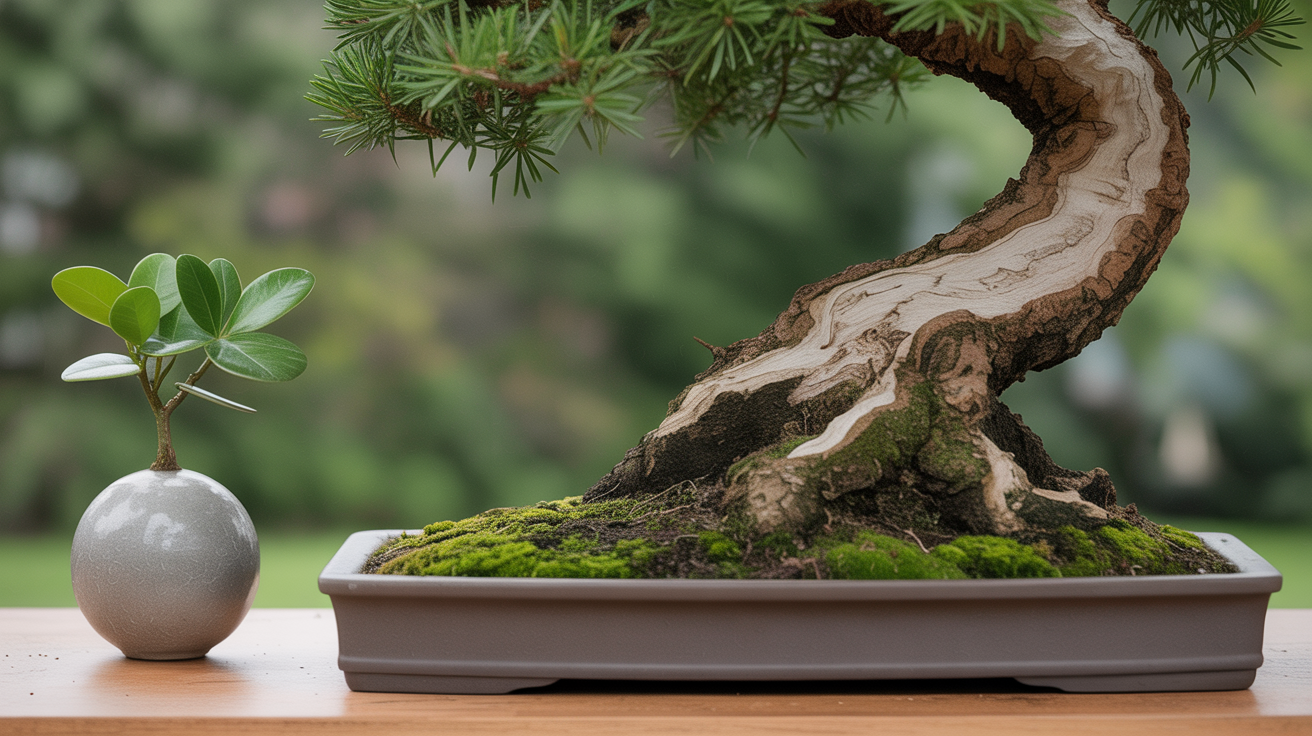
A straight trunk is one of the most common complaints beginners have about nursery stock bonsai. The good news: you can add convincing movement to a trunk at almost any stage, as long as you understand what the tree can handle and give it enough time to set. This guide walks through the main methods, when to use each one, and what to watch for so you get interesting curves without cracked bark or broken branches.
Why Movement Matters in Bonsai Design
In nature, trees rarely grow perfectly vertical. Wind, shade, gravity, and competition for light push trunks into curves, twists, and subtle bends that read as age and character. A straight trunk on a bonsai tends to look artificial and young no matter how refined the foliage is.
Movement does not have to be dramatic. A single gentle S-curve from the base to the apex is often more convincing than an exaggerated zigzag. The goal is to make the viewer believe the trunk grew that way over decades, not that it was forced into shape last Tuesday.
Even a modest amount of intentional shaping changes how the whole tree is perceived.
Assess Your Trunk Before You Start
Before picking up any wire, look at what you already have. Hold the tree at eye level and rotate it slowly. Most trunks have at least a little natural lean or curve hidden in plain sight. A slight repositioning in the pot sometimes reveals movement that was already there.
Check the trunk thickness. Thicker trunks are harder to bend and require more force, which means higher risk of cracking. Trunks thicker than about 2 cm need serious mechanical help or a long-term growing strategy. Thinner material is far more forgiving.
Also note the species. Fast-growing trees like ficus, Chinese elm, and juniper set bends relatively quickly. Slower species like Japanese maple or pine need more patience, and some are more prone to cracking when bent dry or in the wrong season.
Wiring to Create Trunk Movement
For trunks up to roughly 2 cm in diameter, wiring is the most direct approach. The wire acts as a scaffold while the wood lignifies into the new position.
Choosing the Right Wire
Aluminium wire is the standard choice for beginners. It is easier to handle, more forgiving if you wrap unevenly, and gentler on bark. Copper holds a bend more firmly but is less forgiving of mistakes. Start with aluminium until you have a feel for the process.
You will need a wire gauge thick enough to resist the trunk's spring-back. A rough guide: the wire should be about one-third the diameter of what you are bending. Use two wraps of lighter wire rather than one wrap of wire that is too heavy to coil neatly. See the full wiring guide for wrapping technique and angle details.
Anchoring and Bending
Anchor the wire at the root base or through the drainage holes of the pot so the wire has something to push against when you apply pressure. Without a proper anchor, the wire just spins and you lose all leverage.
Wrap at a 45-degree angle up the trunk, firm but not tight enough to bite into the bark. Then, with both hands on either side of the bend point, apply slow, steady outward pressure. Move gradually. If you hear a faint cracking or feel unexpected resistance, stop immediately and hold the position for a few seconds before continuing.
Aim for a curve that is about 10 to 15 percent more extreme than the final shape you want, because the wood will spring back slightly as the wire is removed.
For guidance on picking the right gauge, the article on wire gauge for bonsai covers the numbers clearly.
Guy Wires and Anchor Points for Larger Bends
When a trunk is too thick to bend with surface wire alone, a guy wire gives you the mechanical advantage you need. A guy wire is simply a strong wire or cord attached above the bend point and anchored below, usually to the pot rim or a stake in the soil.
Pad the attachment point on the trunk with a small piece of rubber tubing or folded cloth so the wire does not cut into the bark as tension builds. Tighten the guy wire gradually over several weeks rather than all at once. This slow approach gives the wood time to adjust and dramatically reduces the chance of cracking.
Guy wires work particularly well for pulling the apex of the tree into an off-center position, creating the kind of lean that suggests decades of wind exposure.
Shaping Through Long-Term Growth
Not every bend has to be forced. You can use the tree's own growth energy to create movement over time.
Clip and Grow
In this approach, you let a branch or trunk extension grow freely in one direction, then cut back to a side bud pointing in a different direction. The new leader grows outward from that bud, creating an angle. After it thickens, you cut back again and change direction. Repeated over several growing seasons, this builds gentle changes of direction into the trunk that look completely natural.
This method takes patience but produces movement with almost no risk of damage. It is especially useful for young trees grown from cuttings or seedlings.
Strategic Repotting
The angle at which you plant a tree in its pot affects how the trunk reads. Repotting a tree at a slight lean, or rotating the root ball so an existing curve reads as a front rather than a side, can transform a plain trunk into one that already has visual interest. This is not cheating; experienced growers do it routinely.
Checking Progress and Removing Wire
Wire should come off before it starts to cut into the bark, typically after one growing season for fast species, sometimes longer for slow ones. Check every four to six weeks during the growing season. Press-marks are hard to remove once set, so catching them early matters.
If the tree has not fully set the bend by the time the wire needs to come off, let the tree rest for a month, then re-wire with fresh wire in the same direction rather than leaving the original wire on too long.
A comparison of copper versus aluminium wire is worth reading before you decide which to buy for a second round of wiring.
At a Glance: Which Method for Which Situation
| Situation | Best Approach |
|---|---|
| Trunk under 1 cm, young tree | Aluminium wire, single wrap |
| Trunk 1-2 cm, moderate stiffness | Aluminium wire + anchor, bend slowly |
| Trunk over 2 cm | Guy wire with padding, tighten gradually |
| Very young material, long timeline | Clip and grow over multiple seasons |
| Slight repositioning needed | Repot at a new angle |
Frequently Asked Questions
Can I bend a bonsai trunk in winter? Dormant trees are actually more brittle in deep winter because the wood lacks the moisture and flexibility of the growing season. Late spring or early summer, when the tree is actively growing and the wood has some give, tends to be safer for significant bends.
How long does it take for a bend to set permanently? It depends on the species and thickness of the trunk. Fast-growing trees like ficus or willow-leaf ficus can set a bend in a single growing season. Slower species like Japanese black pine may need two or three. Thicker trunks always take longer than thinner ones.
My trunk cracked slightly when I bent it. Should I be worried? A hairline crack in the outer bark is common and usually heals without issue. If the crack is deeper, into the green cambium layer, wrap the area loosely with raffia or grafting tape and ease the bend back slightly. Keep the tree in a sheltered spot and water carefully while it recovers.
Does wiring hurt the tree? Done properly, wiring causes no lasting harm. The risks come from leaving wire on too long (cutting scars), bending too fast (splits), or wrapping too tightly (bark damage). Work slowly, check regularly, and the tree will tolerate the process well.
What if my tree is still straight after I remove the wire? Re-wire in the same direction. The wood may not have lignified fully in the first pass. Some species need two or three rounds of wiring to hold a bend reliably. Each time, the wood sets a little more in the new position.