Why Are My Bonsai Leaves Turning Yellow?
Yellow bonsai leaves usually point to watering, light, or nutrition issues. Learn how to diagnose and fix the most common causes for beginners.
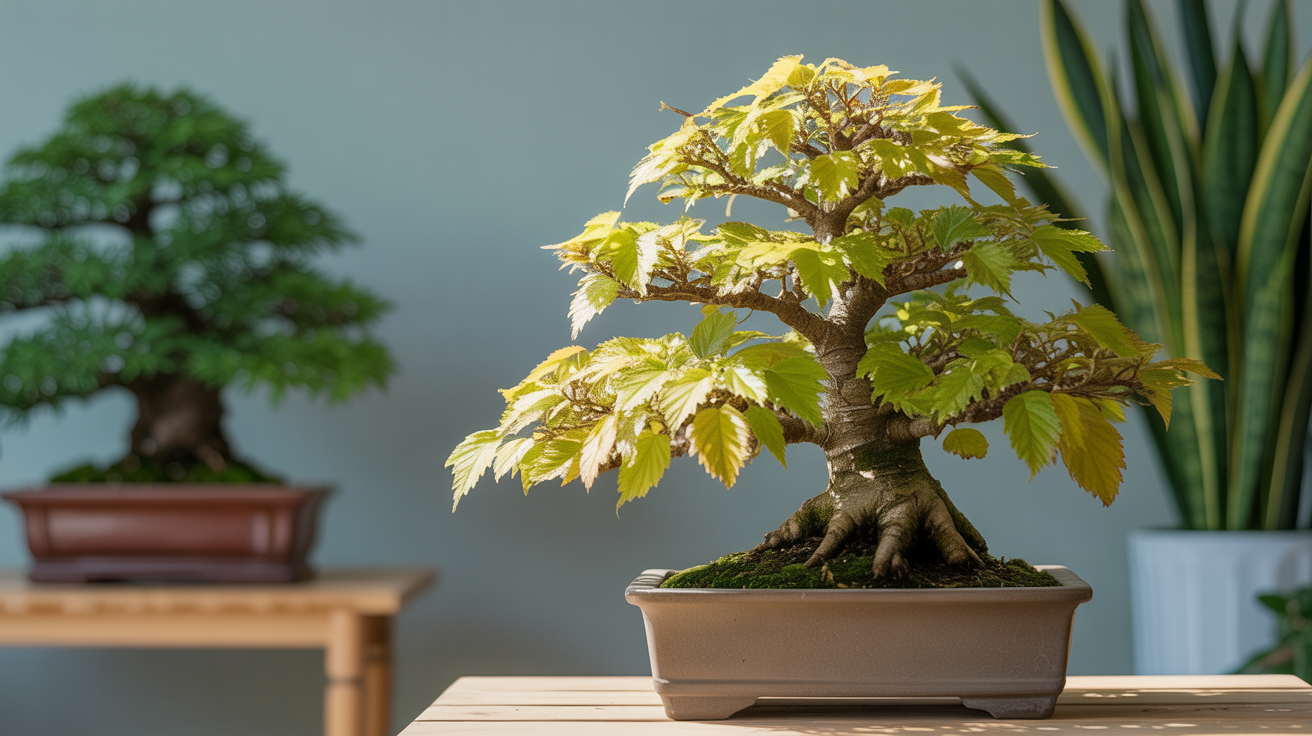
Yellow leaves on a bonsai can feel alarming, especially when you're still learning to read the tree. The good news is that most cases trace back to a handful of fixable causes, and catching them early gives you time to turn things around.
The short answer: yellow leaves most often come from overwatering, underwatering, low light, or a nutrient shortage. Narrowing down which one is the issue requires looking at a few clues together rather than guessing from leaf color alone.
The Most Common Cause: Watering Problems
Water is the first place to look. Both too much and too little water produce yellow leaves, but the patterns differ.
Signs of Overwatering
Overwatered bonsai tend to drop soft, limp yellow leaves. If you press the soil and it stays wet for several days, or if the roots smell musty when you unpot the tree, excess moisture is likely suffocating the roots. Roots need oxygen as well as water, and waterlogged soil cuts off that supply.
How to water a bonsai correctly walks through the basic technique, but the key check is simple: push a wooden chopstick an inch into the soil. If it comes out damp, hold off watering.
Signs of Underwatering
Underwatered trees show yellowing that starts at leaf tips or edges and spreads inward. The soil pulls away from the pot edges, and leaves may feel brittle rather than soft. Recognizing overwatering and underwatering covers the side-by-side differences if you're unsure which you're dealing with.
A practical rhythm for watering: check the soil daily rather than watering on a fixed schedule. Bonsai pots are small and dry out faster than you might expect, especially indoors near heating vents or outdoors in summer wind.
For guidance on timing, how often to water a bonsai gives a concrete starting framework by season and pot size.
Light Conditions and Leaf Color
After watering, light is the second most common culprit.
Most bonsai species grown indoors need far more light than a typical windowsill provides. When a tree doesn't get enough light, it can't run photosynthesis efficiently, and older inner leaves yellow first as the tree redirects energy toward newer growth closer to the light source.
Tropical species like ficus and jade tolerate indoor conditions better than temperate species such as juniper or maple, which struggle without genuine outdoor exposure. If your tree sits more than a few feet from a south- or west-facing window, try moving it closer or supplementing with a grow light for 10 to 12 hours a day.
Excessive direct sun can also scorch leaves, turning them yellow-brown with a papery texture, especially through glass in summer.
Nutrient Deficiency
A tree that hasn't been fed in several months may start yellowing due to a lack of nutrients, most often nitrogen.
Nitrogen supports leafy, green growth. A nitrogen deficiency usually shows up as a generalized pale or yellow-green color across older leaves first, without the wilting or soil-wetness signs of watering problems. If you haven't fertilized your bonsai in the current growing season, this is a strong possibility.
Feed with a balanced liquid bonsai fertilizer (something close to an equal NPK ratio like 10-10-10) during the growing season, roughly spring through late summer for most species. Reduce or stop feeding in winter when growth slows. Avoid over-fertilizing, which can cause its own problems including leaf burn.
Natural Seasonal Leaf Drop
Not every case of yellow leaves is a problem. Deciduous trees, including maples, elms, and ginkgo, drop their leaves in autumn as a normal part of the seasonal cycle. The yellowing will be uniform across the canopy rather than patchy, and the tree will look healthy otherwise.
Some tropical species grown indoors also shed older interior leaves periodically as new growth pushes out. A few yellow leaves dropping from the inside of the canopy in spring or early summer, with no other symptoms, usually means the tree is doing exactly what it should.
Pests and Root Health
Less commonly, yellow leaves point to a pest problem or compromised roots.
Spider mites create a fine stippled pattern on leaves before they yellow and drop. Check the undersides of leaves for tiny moving dots or webbing. Scale insects appear as small brown bumps on branches. Both can be treated with neem oil or insecticidal soap.
Root rot from chronic overwatering is more serious. If you suspect root rot (musty smell, black or brown mushy roots when you unpot the tree), remove the dead roots, let the rootball dry slightly, and repot into fresh, well-draining bonsai mix. Recovery depends on how much healthy root remains.
Quick Diagnostic Reference
| Symptom | Most Likely Cause |
|---|---|
| Soft yellow leaves, wet soil | Overwatering |
| Yellow tips, dry soil, leaves curl | Underwatering |
| Pale yellowing, inner leaves first | Low light |
| Uniform pale-green yellowing, no feeding | Nitrogen deficiency |
| Uniform yellowing in autumn | Normal deciduous drop |
| Stippled yellow pattern, webbing | Spider mites |
| Yellow + musty smell at roots | Root rot |
Frequently Asked Questions
Should I remove yellow leaves from my bonsai? You can remove leaves that are fully yellow and dropping on their own. Pulling off leaves that still have green in them is generally not necessary and can stress the tree. Let fully yellow leaves fall or gently pinch them off to keep the canopy tidy.
My bonsai is indoors and losing lots of leaves suddenly. What happened? Sudden leaf loss indoors usually follows a change in environment: moving to a new spot, a drop in temperature near a drafty window, or an air conditioning vent blowing dry air on the tree. Check that your tree isn't near a heating or cooling source, and make sure it's getting adequate light.
Can a bonsai recover from yellow leaves? Most trees recover once the underlying cause is corrected, especially if caught reasonably early. Root rot cases require more intervention but are often survivable with prompt repotting. Seasonal yellowing on deciduous trees requires no intervention at all.
How do I know if my bonsai is dying or just stressed? A stressed tree will have some yellow leaves but the branches will still be flexible and alive. Scratch a small area of bark on a thin branch: if you see green underneath, the tree has living tissue. Brittle branches that snap easily and show dry brown tissue underneath are a more serious sign.
Is yellow leaf drop different from normal autumn leaf drop? Autumn leaf drop on deciduous trees is uniform, happens across the whole canopy at once, and follows a gradual color change from green to yellow or red. Problem-related yellowing tends to be patchy, starts in one area or on older leaves, and may happen at any time of year without other seasonal signals.