Bonsai for Complete Beginners: What It Really Takes
Thinking about starting bonsai? Here's an honest look at what the hobby involves, what kills beginner trees, and how to set yourself up for success.
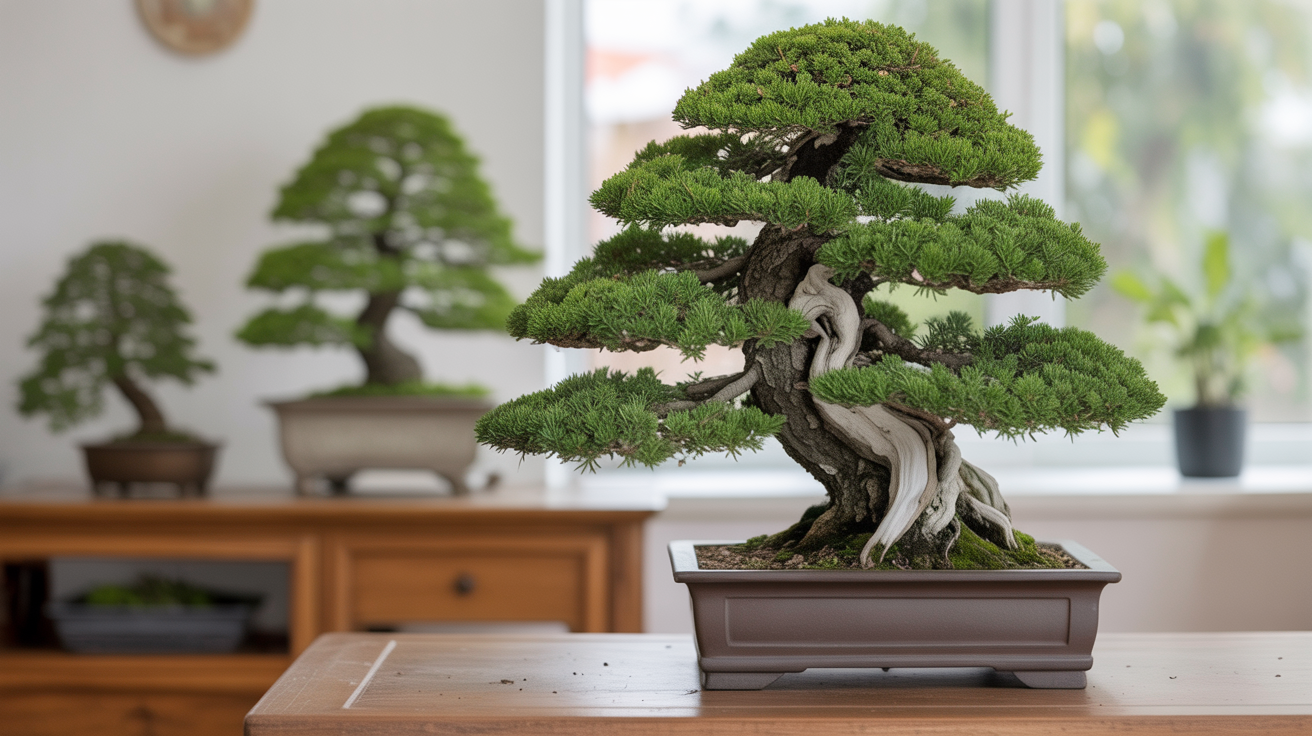
Bonsai is the practice of growing a tree in a small container and shaping it over time into a miniature version of a full-grown tree in nature. That's it. No mysticism required, no years of apprenticeship before you're allowed to touch a plant. You can start today with a small tree from a nursery and a handful of basic tools.
That said, bonsai does kill beginner trees at a higher rate than most hobbies kill beginner projects. The main reason is that people treat their new bonsai like a decorative object rather than a living plant with real requirements. This guide exists to close that gap.
At a Glance
- Bonsai is a method, not a species. Junipers, ficus, maples, and many other trees can all be grown as bonsai.
- The three things that decide whether your first tree lives or dies are light, watering, and soil. Get those right and most other mistakes are recoverable.
- Match the species to where the tree will actually live. Outdoor species like juniper and maple decline slowly on an indoor shelf; the tree looks fine for weeks before it doesn't.
- Daily time commitment is small, usually five to ten minutes for checking and watering. Bigger tasks (pruning, wiring, repotting) happen a few times a year.
- You don't need a full toolkit on day one. Concave cutters, basic scissors, and a fine-rose watering can cover most of year one.
- Expect a slow first year focused on observation, not transformation. A pre-trained starter tree may already be five to fifteen years old; you're maintaining and learning, not sculpting a masterpiece immediately.
What bonsai actually is (and isn't)
Bonsai is not a species of tree. It's a method. You can grow bonsai from a juniper, a ficus, a maple, an oak, many species work. What makes something bonsai is the combination of container, pruning, and wiring that gives the tree its miniature form.
The word itself comes from the Japanese "bon" (tray) and "sai" (planting). The practice has Chinese origins and was refined in Japan over centuries, but that history doesn't affect how you care for your first tree. What matters is understanding that you're dealing with a real, living plant that needs light, water, and appropriate temperatures to survive.
Bonsai does not make trees immortal. They can die. They get root rot, dry out, get infested by pests, or get sunburned. Your job as the grower is to prevent those things from happening, and almost all of that prevention comes down to the handful of basics covered below.
Is bonsai a good hobby?
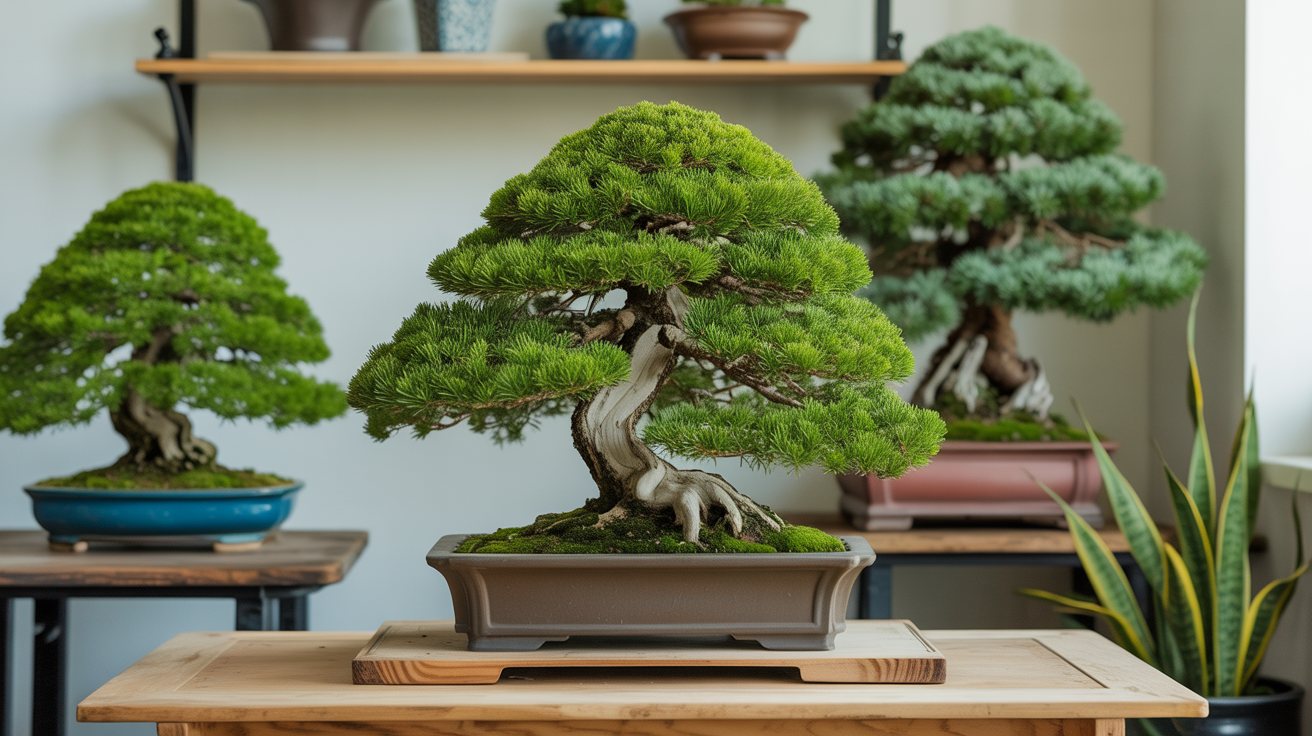
For some people, yes. For others, not really. Here's an honest breakdown.
Bonsai is satisfying if you:
- Enjoy slow, observational work (changes happen over months and years, not days)
- Like learning about how trees grow and respond to pruning
- Have the patience to water a small tree nearly every day, especially in summer
- Find peace in a regular, low-intensity daily task
Bonsai is frustrating if you:
- Want fast visible results
- Travel frequently without someone to cover your watering
- Don't have a good outdoor spot or a bright window (species-dependent)
- Expect the tree to stay exactly as it looked when you bought it
The biggest hidden requirement is consistency. Bonsai trees need water on a schedule that responds to the weather, not the calendar. Missing a few days in hot weather can kill a tree that took years to train. That's not a warning to scare you off, it's just the thing most guides don't say clearly enough. If you're weighing whether to start now or wait for a less busy season, honestly assessing your travel schedule and daily routine for the next year matters more than picking the "right" first species.
Bonsai basics for beginners: the three things that matter most
If you're just getting started, there are three areas that determine whether your tree lives or dies in the first year.
1. Light
Most bonsai need more light than people give them. An indoor ficus wants a bright windowsill with several hours of direct or strong indirect light per day. Outdoor trees like junipers and maples need full sun outdoors for most of the growing season, they don't do well as indoor decorations.
The single most common beginner mistake is putting a tree that needs outdoor conditions on an indoor shelf. The tree looks fine for weeks, then slowly declines. By the time you notice, it's in bad shape, often because the visible symptoms (thin, stretched growth and gradually paler foliage) are easy to mistake for normal variation.
Before you buy a tree, decide where it will live. Then buy a species that fits that location, not the other way around. The guide on indoor vs. outdoor bonsai for beginners covers this in detail and is worth reading before you spend money on a tree.
2. Watering
Bonsai soil dries out faster than garden soil because the pots are shallow and the drainage is intentionally good. That means you need to check the soil daily, especially in warmer months, and water when the top layer starts to dry. You're aiming for consistently moist, not soggy, not bone dry.
A simple test: push your finger about a centimeter into the soil. If it feels dry, water thoroughly until water drains out the bottom holes. If it still feels damp, wait and check again tomorrow.
Don't water on a fixed schedule. Water based on what the soil actually feels like. Overwatering (which leads to root rot) and underwatering are equally deadly, and fixed schedules ignore the fact that your tree's needs change with the seasons and weather. Most beginners lean toward overwatering because it feels like the more attentive, caring choice, which is exactly what makes it easy to miss.
3. Appropriate soil
Most trees that come from garden centers are potted in standard potting mix, which holds too much water for bonsai. If you're buying a starter tree, you'll likely need to repot it into proper bonsai soil within a year or two. Bonsai soil is coarser and more porous, which gives roots the oxygen they need and prevents rot.
You don't need to tackle this right away. But know that the soil your beginner tree came in is probably not what it wants long-term.
Choosing your first tree
Don't buy the most beautiful or exotic tree you see. Buy a forgiving species that matches your growing conditions.
For outdoor growing (most climates): Chinese juniper, Japanese maple, cotoneaster, or trident maple are all good starting points. They're hardy and widely available.
For indoor growing (tropical species): ficus retusa or ficus ginseng (Ficus microcarpa), which tolerates lower light and humidity better than most tropical bonsai candidates, or Chinese elm, which can go either way depending on climate, are among the most tolerant of indoor conditions.
| Species | Best environment | Why beginners like it |
|---|---|---|
| Chinese juniper | Outdoor, full sun | Widely available, forgiving of pruning mistakes |
| Ficus retusa / ginseng | Indoor, bright light | Tolerates lower humidity and light than most tropicals |
| Chinese elm | Indoor (warm climates) or outdoor | Flexible; fast-growing, so it shows the results of care quickly |
| Trident maple | Outdoor, full sun | Hardy, thickens trunk quickly, tolerant of harder pruning |
Avoid tropical species if you live in a cold climate and don't have strong indoor light. Avoid cold-hardy species if you plan to keep the tree indoors year-round.
A healthy tree from a reputable nursery is a better starting point than a cheap, stressed tree. You want to start with something that's already in decent shape, not a tree you need to rescue in your first month.
For more on the full process of picking and getting started, the complete beginner's guide to starting bonsai walks through species selection, soil, and first-year care in one place.
Basic tools you actually need
You do not need to buy a complete bonsai toolkit on day one. Most beginners overbuy.
The short list for year one:
- Concave branch cutters (the single most useful bonsai-specific tool)
- Sharp scissors or basic pruning shears for foliage
- A watering can with a fine rose head so you don't blast the soil
Wire, wire cutters, and root hooks can come later, once you're ready to do more hands-on training work. Many beginners spend their first year just learning to keep the tree healthy and observing how it grows, which is completely valid and actually pretty sensible.
If you're curious about what's worth buying and what's mostly marketing, the guide to essential bonsai tools for beginners has a clear breakdown.
A realistic first-year timeline
Here's what year one typically looks like for a beginner with a healthy starter tree.
| Month | Focus | What you're watching for |
|---|---|---|
| 1-2 | Learn the tree's watering needs, find the right light spot | How fast the soil dries in your specific conditions |
| 3-4 | Light pruning of overgrown shoots, observation | New growth pushing evenly, no dieback |
| 5-6 | Check roots at repotting season if needed, adjust soil | Roots circling the pot, water draining slower than before |
| 7-9 | Peak growing season, water more frequently, watch for pests | Stippled or dusty foliage, webbing, sudden wilting |
| 10-12 | Reduce watering as growth slows, prepare for dormancy if applicable | Soil staying wet longer as growth slows down |
Most of the work in year one is paying attention. You're learning what a healthy version of your tree looks like, so you can recognize problems early. It's normal to feel like you're not doing much some months. That's largely the point.
Frequently asked questions
How much time does bonsai take each day?
The daily commitment is small, usually five to ten minutes. Most of that is checking and watering. Major tasks like pruning, wiring, and repotting happen a few times a year and take longer, but they're not daily obligations.
Can I keep a bonsai indoors?
Some species are suited to indoor conditions, and some are not. Ficus species and Chinese elm (in warm climates) handle indoor life reasonably well. Most temperate trees like junipers, pines, and maples need to live outdoors and go through natural seasonal changes. Putting an outdoor species on an indoor windowsill is one of the most common ways beginners lose their first tree.
How long does it take to grow a bonsai?
Longer than most hobbies. A tree you buy as a pre-trained starter might already be five to fifteen years old. Developing your own style and significant trunk thickness takes years of growing. That's part of the appeal for many people, but it's worth knowing going in. You're not going to have a finished masterpiece in six months.
What kills beginner bonsai most often?
In roughly this order: underwatering, wrong light conditions, overwatering, and putting the wrong species in the wrong environment. Most losses are preventable with basic research before you buy the tree.
Do I need to repot every year?
No. Young trees that are growing quickly might need repotting every year or two to keep the roots healthy. Older, more established trees are repotted less frequently, sometimes every three to five years. The signs you need to repot are roots circling the pot heavily, soil that dries out very quickly, or water that pools and won't drain. Repotting season for most species is late winter or early spring, just before growth resumes.
How much does it cost to get started?
Less than most people assume. A young starter tree, a basic pot, and a small set of tools can come in well under the cost of many other hobbies' entry kits. Costs rise if you buy older, more developed trees or specialty tools, but neither is necessary to learn the basics and keep a first tree healthy for its first few years.