Indoor vs Outdoor Bonsai: Which Should a Beginner Choose?
Confused about indoor vs outdoor bonsai? Learn which type actually suits beginners, why most bonsai need to live outside, and how to pick your first tree.
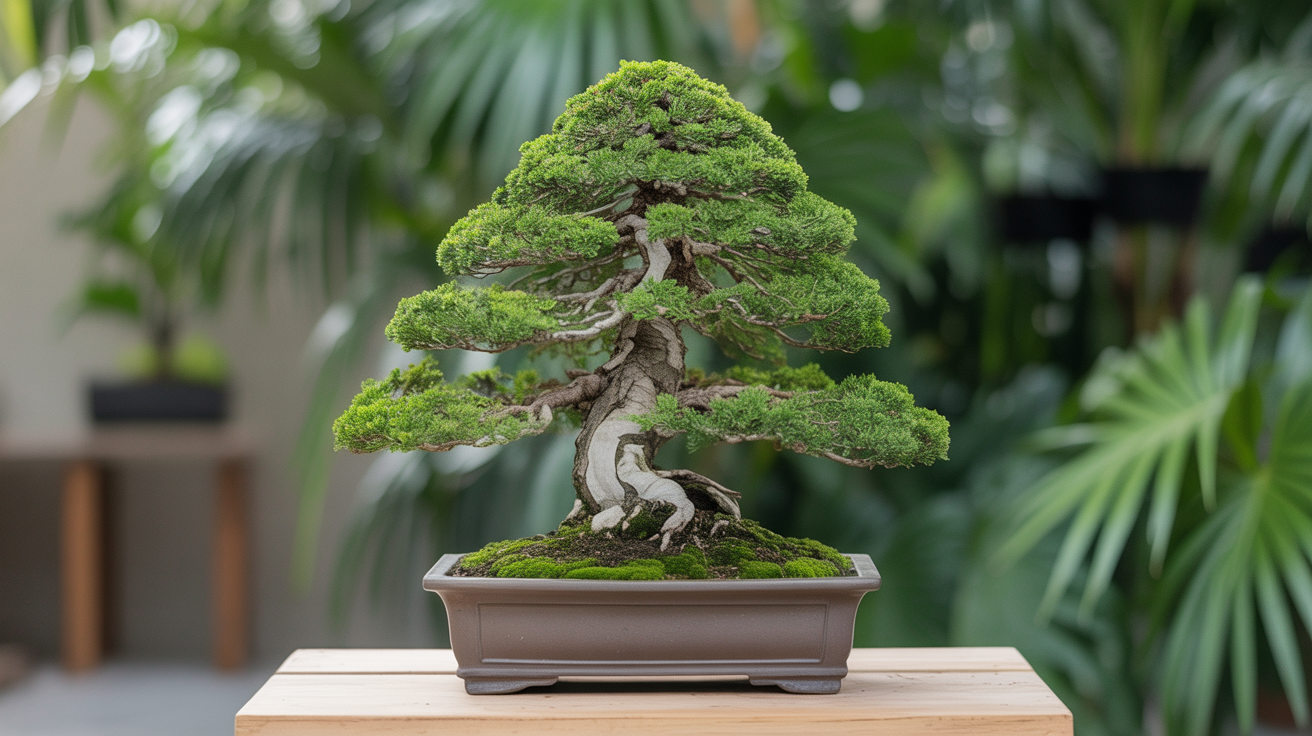
Here is the short answer: most bonsai are outdoor trees, and putting them on a windowsill will eventually kill them. But a small group of tropical species can genuinely thrive inside, which is where the confusion comes from.
If you want a beginner-friendly tree you can keep indoors year-round, that is possible. If you want to work with the most common species, you will need an outdoor setup. Understanding why makes everything else click.
At a Glance
- "Bonsai" is a technique, not a species. Whether a tree belongs indoors or outdoors depends entirely on where that species grows naturally.
- Cold-hardy temperate species (juniper, maple, pine, elm) need real outdoor conditions, including a winter dormancy period, and slowly decline indoors.
- Tropical species (ficus, jade, schefflera) never go dormant and are genuinely suited to living inside year-round.
- A garden center label of "bonsai" with no species name is a trap. Identify the actual species before deciding where it lives.
- Ficus is the most forgiving true indoor choice; juniper is the most forgiving true outdoor choice.
- A healthy outdoor tree can visit indoors for a day or two, but weeks of that treatment will weaken it.
Are bonsai indoor or outdoor plants?
Bonsai are not a species. They are ordinary trees trained into a small form. Almost any woody plant can be styled as bonsai, from Japanese maples to jade plants to olive trees.
That matters because whether your tree belongs inside or outside depends entirely on the species, not on the word "bonsai." A juniper is a juniper whether it sits in a nursery pot or a ceramic training container. Junipers are cold-hardy conifers native to temperate climates, and North Carolina State Extension lists common Juniperus species as hardy across USDA zones 3 through 9, meaning most of them are built to handle winters that drop well below freezing. Move one permanently indoors and it will slowly decline because it is not getting the dormancy cycle, light levels, and humidity it needs.
So the question is not really "indoor bonsai or outdoor bonsai." The question is: what species are you working with, and what does that species need?
Why indoor bonsai exist at all
Some trees are native to tropical or subtropical climates where temperatures stay warm year-round. These species never go dormant the way a maple or juniper does. They are used to consistent warmth and humidity. In a temperate climate, you cannot leave them outside through winter, so they have to come in.
The most common ones sold as "indoor bonsai" are:
- Ficus (especially Ficus retusa or Ficus ginseng) -- very forgiving, handles low light better than most
- Chinese elm -- a semi-evergreen that can live indoors in mild climates, though it prefers some cool in winter
- Jade plant (Crassula) -- technically a succulent, easy for beginners who tend to overwater; NC State Extension notes jade wants "a sunny location indoors that also provides some afternoon shade" and to "reduce watering from fall to late winter", which lines up closely with how most people already treat a windowsill houseplant
- Fukien tea (Carmona) -- sold widely, but honest reviews say it is surprisingly difficult for beginners
- Dwarf umbrella (Schefflera) -- fast-growing, good for learning technique
If you want a tree you can genuinely keep inside, ficus is the most forgiving starting point. It adapts to indoor conditions better than anything else on that list.
Why most sold-as-bonsai trees die indoors
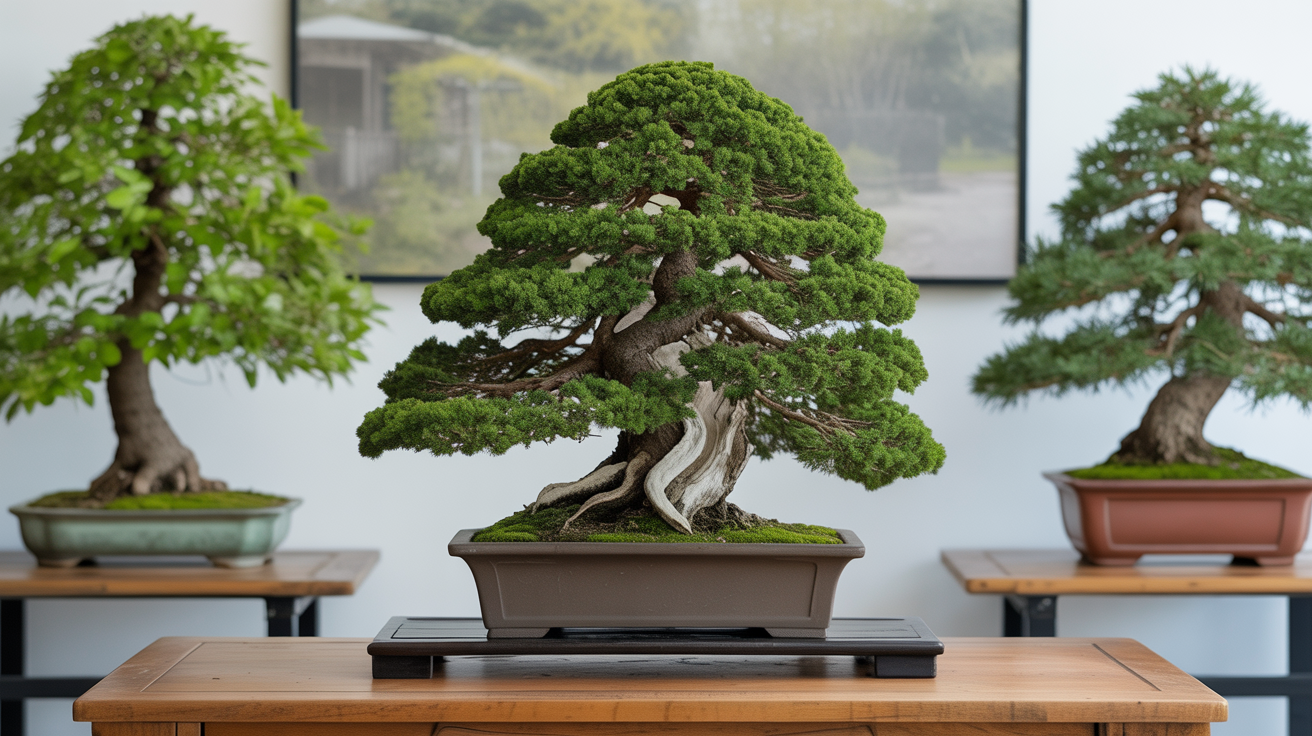
Walk into any garden center and you will often see small junipers, Chinese privets, or serissa in little glazed pots labeled "bonsai." They look like indoor plants. They are usually not.
Junipers need full outdoor sun and a cold dormancy period each winter. The USDA Plant Hardiness Zone Map measures the average annual extreme minimum winter temperature for a region precisely because that number determines what a plant can survive outdoors, and it works the other way too: a species rated hardy to zone 4 has evolved to need a real winter, not just tolerate the absence of one. Take that cold season away by keeping the tree in a heated living room and you have removed something the tree's biology expects, not just made it slightly less comfortable. Serissa is finicky about temperature swings and humidity on top of that. Many of these trees look fine for a few weeks indoors, then drop leaves, look scraggly, and die within a season.
This is the single most common beginner mistake. The tree was not neglected in the obvious sense. It just needed conditions a living room cannot provide: high light, cold winters, fresh airflow. If you have bought one of these already, the best move is to get it outside as soon as the temperature allows.
Cold hardiness at a glance
Hardiness zone ratings are a quick way to sanity-check whether a species can live outside where you are. Look up your own zone on the USDA map, then compare it to the tree:
| Species | Typical USDA hardiness zone | What that means in practice |
|---|---|---|
| Juniper (most common types) | 3 to 9 | Handles hard winter cold; must winter outside |
| Japanese maple | 5 to 8 | Needs winter cold but pots require frost protection |
| Chinese elm | 4 to 9 | Semi-evergreen, tolerates mild winters indoors in warm zones |
| Black pine, Scots pine | 4 to 8 | Full outdoor exposure year-round, including frost |
| Ficus (indoor types) | 10 to 11 outdoors, houseplant elsewhere | Cannot survive any frost, indoor tree outside the tropics |
| Jade plant | 10 to 11 outdoors, houseplant elsewhere | Same logic as ficus, treat as strictly indoor in cold climates |
If your zone number is lower than the species' minimum, that tree needs to be outside for the cold months it's built for, or it needs to be a true indoor species in the first place.
Choosing the best place to keep a bonsai
The best placement for any bonsai depends on the species, but here are the general rules that cover most situations.
Outdoor temperate trees (juniper, maple, pine, hornbeam, elm in cold-climate form):
- Full sun or bright filtered light for most of the day
- Sheltered from extreme wind, which desiccates small pots fast
- Cold but not frozen through winter -- most temperate bonsai handle frost, but very small pots can freeze solid and damage roots
Indoor tropical trees (ficus, jade, schefflera):
- The brightest window you have, ideally south- or east-facing
- Supplemental grow light if your windows are weak (a basic LED grow panel helps a lot)
- Away from heating vents and cold drafts
- Higher humidity than most homes provide in winter -- a humidity tray or occasional misting helps
One practical rule: if you live somewhere with four seasons and your tree is labeled "juniper," "azalea," or "Japanese maple," it goes outside. Period.
Can bonsai live indoors long-term?
Yes, but only the right species. A healthy ficus bonsai can live indoors for decades given decent light. A jade bonsai does fine on a sunny windowsill. These are genuinely indoor-capable trees.
What does not work long-term: taking an outdoor species and trying to acclimate it to indoor conditions. People try this with junipers constantly, usually because the tree was a gift or an impulse buy. The tree may hang on for a year or two, showing slowly thinning foliage and weaker growth each season, but it is declining the whole time. No amount of grow lights fully replaces outdoor sun and natural temperature cycles for a cold-hardy species.
If you want to keep something inside, choose a tree that belongs inside from the start.
A quick comparison
| Feature | Indoor bonsai | Outdoor bonsai |
|---|---|---|
| Typical species | Ficus, jade, schefflera | Juniper, maple, pine, elm |
| Light needs | Bright window or grow light | Full outdoor sun |
| Winter care | Stays inside year-round | Cold dormancy, frost protection for pots |
| Beginner ease | Moderate (ficus is easiest) | Moderate (juniper is easiest) |
| Tree variety | Smaller selection | Much wider selection |
| Risk of failure | Lower if you choose ficus | Lower if you give it real outdoor conditions |
Neither category is inherently easier. The risk with indoor trees is getting a difficult species like fukien tea or serissa by accident. The risk with outdoor trees is keeping them inside too long.
What to buy as your first tree
If you have a good outdoor space (a balcony counts), a juniper is the most commonly recommended beginner tree. They are resilient, widely available, and well-documented. They forgive some neglect, handle training well, and look like the bonsai most people imagine. You can read more about what to expect in our complete beginner's guide to bonsai before you buy anything.
If you genuinely cannot keep a tree outside, go with a ficus retusa or ficus ginseng. Buy from a reputable nursery or bonsai supplier rather than a supermarket. The trees at supermarkets are often potted in bad soil, poorly trained, and already stressed.
Avoid fukien tea, serissa, and most azaleas as your first tree. They have reputations for being difficult even for experienced growers. Our guide on what bonsai really takes goes into this honestly.
Whatever you choose, get the right tools before you start cutting. A cheap concave cutter and basic shears are enough to begin. See our overview of essential bonsai tools for beginners to avoid buying a full kit you do not need yet.
Frequently asked questions
Can I keep a juniper bonsai indoors?
Not successfully long-term. Junipers are temperate trees that need full outdoor sun, fresh air, and cold winters, matching their typical USDA hardiness range of roughly zone 3 to 9. Indoors, they decline slowly from low light and lack of dormancy. If yours came from a supermarket as an "indoor bonsai," move it outside as soon as the weather allows.
What is the easiest bonsai to keep indoors?
Ficus retusa (sometimes called Ficus ginseng) is the most forgiving indoor bonsai for beginners. It tolerates lower light than most tropical species, handles occasional overwatering without immediately collapsing, and adapts to the dry air of most homes better than alternatives like fukien tea or serissa.
Do indoor bonsai need grow lights?
Not always, but they help. Most homes do not have windows bright enough to fully satisfy a tropical bonsai, especially in winter. A basic LED grow panel positioned close to the tree can make a real difference in leaf size, growth rate, and overall health. Even a few hours of supplemental light helps if your windows are north-facing or partially shaded.
How do I know if my bonsai is indoor or outdoor?
Look up the species name, not the label on the pot. If the tag just says "bonsai" with no species, try to identify it. A juniper has scale-like or needle-like foliage. A ficus has smooth, waxy leaves and white sap if you snap a twig. If you cannot identify it, take a photo to a local nursery or post it to a bonsai community online, or check your species against a USDA hardiness zone listing to see whether it should be surviving your winters outside at all. Guessing wrong costs you the tree.
Can I bring an outdoor bonsai inside for a few days?
Yes, briefly. Bringing a healthy outdoor tree inside for a day or two (for a display or during an extreme cold snap) is fine. Problems start when "a few days" turns into months. Outdoor species deprived of sun and outdoor air begin dropping leaves and weakening within a few weeks. Think of it the way you would a cut flower arrangement: enjoyable for a short time, but not a permanent living situation for the plant.
I live in a warm climate with no real winter. Does the indoor/outdoor distinction still matter?
Somewhat less, but it still matters. In USDA zones 9 and up, many temperate species get a much shorter or milder dormancy than they would further north, which can affect their long-term health and vigor even if they technically survive. Tropical species like ficus and jade, on the other hand, can often live outdoors year-round in these climates instead of being confined inside, which actually makes them easier to grow well than in a cold-winter region.