Bonsai Pruning Mistakes Beginners Make
New to bonsai pruning? Learn the most common mistakes beginners make and how to fix them before they harm your tree.
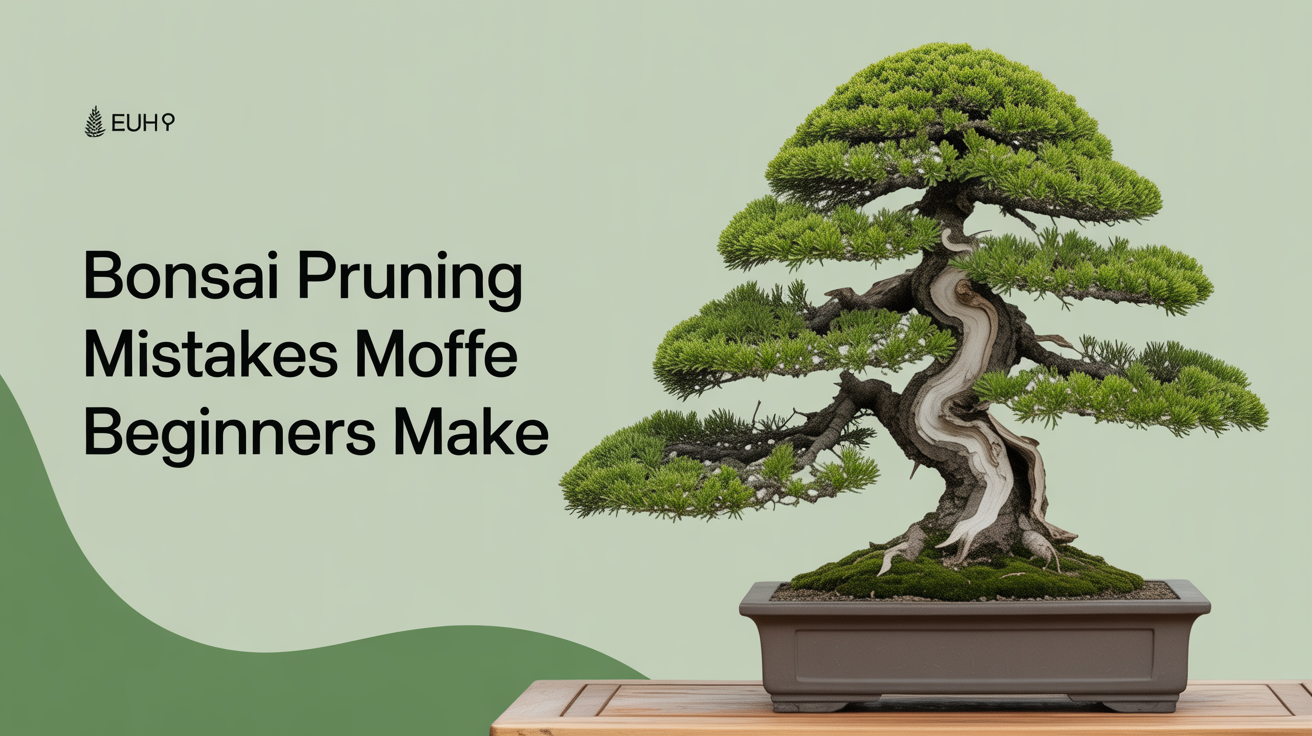
Pruning is the skill that turns a potted tree into something that looks like a bonsai. It is also the place where most beginners cause the most unintentional damage. The good news is that the mistakes are predictable, and knowing what to look for ahead of time saves a lot of backtracking.
This guide covers the pruning errors that show up again and again, why they happen, and what to do instead.
Cutting Too Much at Once
The single most damaging mistake is removing too much foliage in one session. Every leaf is a solar panel. Strip too many at once and the tree can no longer produce enough energy to recover, which can push a stressed tree into serious decline.
A rough guide: take no more than one-third of the foliage in any single pruning session. For trees that are already stressed from repotting, an insect problem, or drought, cut that back further. A tree can always be pruned again in a few weeks; it cannot easily regrow leaves it lost while it was fighting to stay alive.
Signs You Have Over-Pruned
- New buds appear and then fail to open
- Leaf tips brown and dry back without any watering issue
- Branches that looked healthy begin dying back from the tips
If you see these signs, stop pruning, place the tree somewhere with stable indirect light, and let it rest.
Pruning at the Wrong Time of Year
Timing matters more than most beginners expect. Deciduous trees like maples and elms do the bulk of their structural pruning in late winter or early spring, before new buds break. Pruning in midsummer, when a tree is putting energy into summer growth, stresses it more and heals more slowly.
Tropical species kept indoors have more flexibility since they do not have a hard dormant season, but they still benefit from avoiding heavy cuts in the dead of winter when light levels are lowest and growth is slowest.
As a starting point:
| Tree Type | Best Time for Structural Pruning | Pinching and Light Maintenance |
|---|---|---|
| Deciduous (maple, elm, oak) | Late winter, just before buds break | Spring through midsummer |
| Conifers (juniper, pine) | Late summer or early spring | Spring candle work |
| Tropicals (ficus, fukien tea) | Spring or early summer | Year-round in good light |
Check guidance specific to your species and local climate before scheduling a heavy cut. These are general patterns, not universal rules.
Using Dull or Dirty Tools
A dull blade crushes cell walls rather than cutting cleanly through them. Crushed tissue heals far more slowly than a clean cut, and it creates an entry point for bacteria and fungi. Dirty tools can carry disease from a sick tree to a healthy one.
Before each pruning session:
- Wipe blades with rubbing alcohol or a diluted bleach solution (1 part bleach to 10 parts water) and let them dry
- Check the edge by slicing through a piece of paper; a sharp blade cuts with no tearing
- After the session, wipe off sap, dry the blades, and apply a light coat of oil to prevent rust
Investing in a pair of proper bonsai scissors or concave cutters makes a genuine difference. The concave shape of a good branch cutter leaves a slight hollow rather than a raised stub, which heals over more smoothly and leaves less of a scar on the trunk.
Leaving Stubs Instead of Cutting to a Node
When you trim a branch, the cut should land just above a bud or a lateral branch, not partway along a bare section of wood. The section of branch beyond the last bud has no way to push new growth, so it dies back. Dead stubs invite rot, and rot can travel inward toward the main trunk if left unchecked.
Look for a healthy bud or a small side shoot near where you want to cut, and make the cut just above it at a slight angle so water runs away from the bud. If no bud is visible, you may need to rethink whether that branch should be cut at all, or wait until the tree pushes new growth that gives you a better landing point.
For a detailed walkthrough of how to read a branch and decide where to cut, see our beginner's guide to pruning a bonsai tree.
Confusing Maintenance Pruning with Structural Pruning
These are two different activities with different goals, and mixing them up leads to confusion about what the tree should look like at any given moment.
Maintenance pruning (also called pinching or shoot pruning) keeps existing branch structure tidy. You are managing new growth to preserve a shape that already exists. It happens regularly throughout the growing season.
Structural pruning changes the fundamental shape of the tree. You are deciding which branches to keep, which to remove entirely, and how to redistribute the visual weight of the design. It requires stepping back, looking at the whole tree, and making deliberate choices. Doing structural work without a plan produces a tree that looks trimmed but not composed.
To understand how these two types of work fit together in a calendar, read our guide on maintenance versus structural pruning.
Skipping Aftercare
Pruning opens wounds. Large cuts on significant branches benefit from wound sealant, which reduces moisture loss and keeps pathogens out while the callus tissue forms. Not every small cut needs sealing, but any cut larger than a pencil in diameter is worth protecting.
After a pruning session, watch the tree for a week or two. If it drops leaves suddenly or branches start dying back, move it somewhere sheltered, ease off on fertilizer, and do not cut again until it has visibly stabilized.
Frequently Asked Questions
How do I know if I have pruned too much? The clearest signs are die-back from branch tips, buds that swell but never open, and sudden leaf drop on branches that were not touched. If a tree shows any of these, stop all pruning, keep the soil consistently moist (not wet), and move the tree out of direct sun until it shows new healthy growth again.
Can I prune my bonsai at any time of year? For most deciduous species, no. Heavy structural cuts are best done before the spring growth flush, and light maintenance pinching happens during the growing season. Pruning deciduous trees heavily in late summer or fall removes stored energy the tree needs to make it through winter. Tropical species have more flexibility but still respond better to heavier cuts when light and temperatures are at their best.
Should I seal every cut I make? Small cuts, anything under a few millimeters, generally do not need sealing and will close on their own. For larger cuts, especially on the trunk or major branches, wound sealant helps protect the exposed wood while callus tissue forms. Apply a thin, even layer immediately after cutting.
My tree looks bare after pruning. Did I do something wrong? A deciduous tree that has just had its first structural pruning will often look stark. That is expected. The goal of structural pruning is to reveal and define the branch structure, which means removing crossing branches, back-budding growth, and excess shoots. As the tree leafs out in spring, the gaps fill in, and the structure you exposed becomes visible as design rather than emptiness.
How is pinching different from pruning, and do I need special tools for it? Pinching removes the very tip of a new shoot, usually just the last one or two sets of leaves, before it has hardened into woody growth. Many growers do this with their fingers rather than scissors, since the soft tissue tears cleanly without needing a blade. It is a gentler and more frequent form of maintenance that keeps buds ramifying without putting the tree under the same stress as a branch cut. For more on this technique, see our guide on how to pinch a bonsai for shape without stressing it.