How to Prune a Bonsai Tree: A Beginner's Guide
Learn how to prune a bonsai tree safely and effectively. This beginner's guide covers tools, timing, where to cut, and how to avoid the most common mistakes.
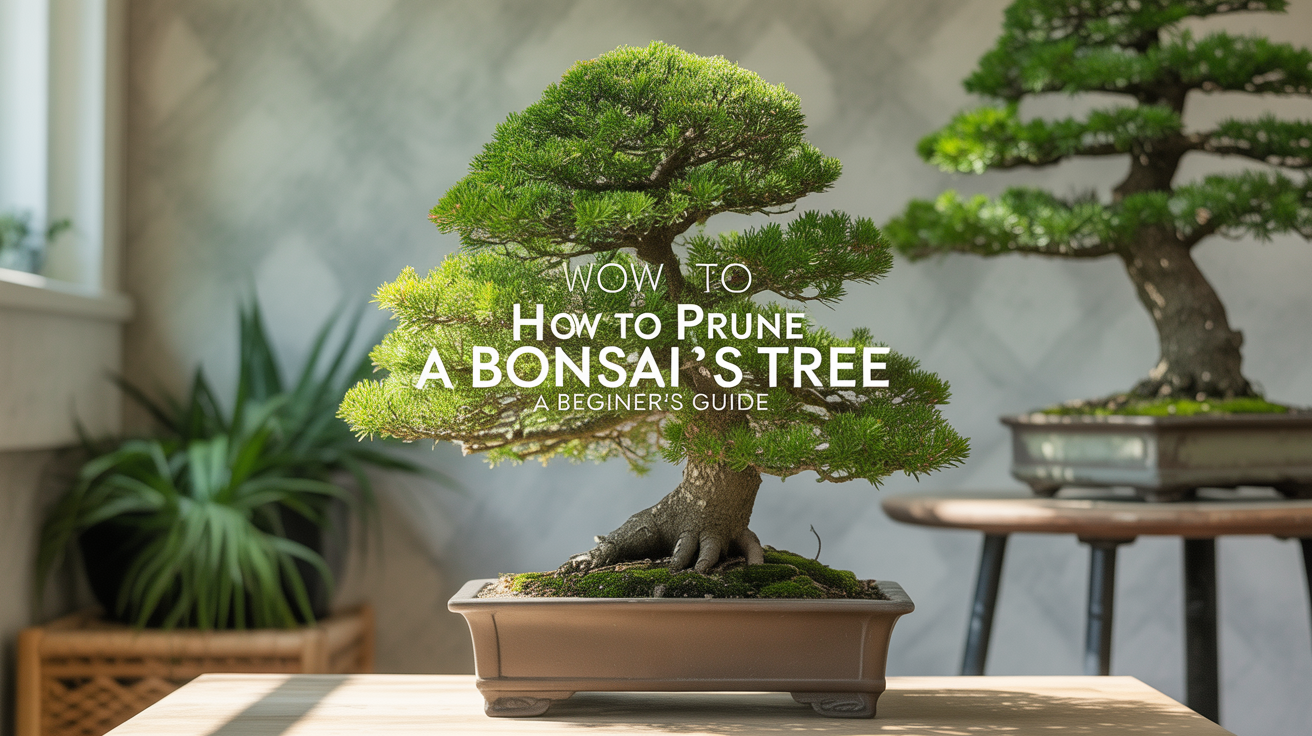
Pruning is the most direct way you'll shape your bonsai. It removes growth you don't want, encourages the tree to push energy where you do want it, and over time produces that refined, miniature-tree look. The good news: basic pruning is not complicated. You need a clean tool, a little knowledge of where to cut, and the patience to step back and look before you start snipping.
This guide covers how to prune a bonsai tree from scratch, including what tools to use, when to prune, and the most common place beginners go wrong.
Two kinds of pruning, and why it matters
Before picking up any tool, it helps to understand that bonsai pruning falls into two broad categories. Knowing which one you're doing changes when you prune, how much you remove, and how the tree recovers.
Maintenance pruning is ongoing, light work. You're trimming new shoots back to keep the shape you already have and stop the tree from getting leggy. This happens throughout the growing season, and most healthy trees take it in stride.
Structural pruning (sometimes called hard pruning or branch selection) is more serious. You're removing whole branches to set the long-term architecture of the tree. This kind of work is done during a specific window, usually just before or at the very start of the growing season, when the tree has reserves to heal the bigger wounds. The difference between these two approaches is worth understanding in depth before you start any major work.
As a beginner, you'll spend most of your time on maintenance pruning. Reserve structural work until you're more comfortable reading your tree.
What tools you actually need
You don't need a full kit on day one. For most beginner pruning, two tools will cover you:
- Bonsai scissors or concave cutters for small shoots and twigs. Sharp scissors made for bonsai leave a clean cut without crushing the stem.
- Concave branch cutters for removing thicker branches. The concave blade creates a slight hollow in the wound, which heals more flush than a straight cut.
If you only buy one tool, get a decent pair of bonsai scissors. Avoid household scissors or garden shears, which can crush soft growth and introduce tearing.
Always clean your blades before you start. Wiping them down with rubbing alcohol or a bit of methylated spirits takes a minute and prevents spreading disease between plants (or from other garden plants to your bonsai). Sharp blades matter too, a dull blade drags and crushes.
When to prune your bonsai
Timing depends on what you're pruning and what species you have. A few general principles:
For maintenance pruning: prune during the growing season, spring through early autumn. When new shoots extend beyond two or three pairs of leaves, trim them back. You can do this repeatedly throughout the season.
For structural pruning: late winter or very early spring is the standard window for most deciduous trees, just before buds break. At that point the tree's energy is about to push upward, wounds callus quickly, and you can see the branch structure clearly without foliage in the way. Tropical and subtropical species kept indoors often don't have a hard dormancy, so timing is more flexible.
One rule that applies broadly: don't do major structural work on a stressed tree. If your tree is newly repotted, recovering from pests, dropping leaves, or otherwise struggling, let it stabilize before you cut.
Where to cut a bonsai: the basics
This is where a lot of beginners get stuck. The short answer: cut just above a node (the point on a stem where a bud, leaf, or branch attaches), angled slightly away from it, leaving about 2 to 3 millimeters of stem above the bud. If you cut too far from the node, you leave a short stump that dies back. If you cut into the node itself, you damage or kill the bud you wanted to keep.
When deciding which direction to cut toward, think about the direction you want that bud to grow. Buds generally grow in the direction they face. If you want a branch to extend outward, cut above an outward-facing bud. This is the core of directional pruning and it applies from tiny shoot trimming all the way up to larger branch work.
For branch removal during structural work, cut flush (or very slightly concave with the right tool) against the parent branch or trunk. Don't leave a stub. Stubs don't callus properly and often become entry points for rot.
A practical bonsai trimming guide: step by step
Here's a simple process to follow each time you sit down to prune:
- Look before you cut. Walk around the tree. Identify the branches or shoots that are breaking the shape, growing straight down, crossing others, or pointing directly back into the canopy.
- Remove dead or unhealthy growth first. Dead twigs are easy to spot (they snap, no green under the bark) and removing them is always correct.
- Address obvious structural problems. Bar branches (two branches at the same height on opposite sides), crossing branches, and shoots growing straight up out of flat sections often need to go.
- Trim back extending shoots. For maintenance work, clip new growth back to one or two pairs of leaves. This keeps the silhouette tight and encourages back budding closer to the trunk.
- Step back after each cut. It sounds slow, but it prevents over-pruning. You can always take more off. You cannot put it back.
- Treat large wounds. Cuts over roughly 5mm in diameter benefit from a cut paste (a bonsai wound sealant). It keeps the wound from drying out while it heals and reduces the chance of rot.
| What to remove | When | Tool |
|---|---|---|
| Dead or dying twigs | Any time | Scissors |
| Overgrown new shoots | Growing season | Scissors |
| Crossing or rubbing branches | Late winter (deciduous) | Scissors or concave cutters |
| Large structural branches | Late winter (deciduous) | Concave cutters |
| Downward-growing shoots | Any time | Scissors |
Common beginner mistakes
Pruning too much at once. Removing more than about a third of the foliage at one time can shock a tree badly. If you're doing structural work and the tree needs a lot removed, spread it over two seasons.
Leaving stubs. A stub above a node or at a branch junction will die back, look messy, and sometimes rot down into the living wood. Cut clean.
Pruning at the wrong time of year. Taking large amounts off a deciduous tree in autumn, right before it goes dormant, removes energy reserves the roots need for winter and weakens the spring flush. Know your species and its timing.
Not cleaning tools. Fungal spores and bacteria move on blades. It takes seconds to wipe them down.
Confusing pruning with pinching. Pinching is a lighter technique, using your fingernails or fingertips to remove just the very tip of a growing shoot. It's useful for refining fine ramification without the stress of a cut, but it doesn't replace pruning for anything thicker than soft new growth.
What happens after pruning
A healthy tree responds to pruning by pushing new growth. In many species this comes from dormant buds near the cut, and in some it comes from buds further back along older wood, a process called back budding. Back budding is valuable because it gives you new branching material closer to the trunk, which is exactly what you want for a refined look.
After a significant prune, give the tree good light, keep watering consistent, and don't fertilize immediately for structural cuts (let the wound close before pushing growth). For light maintenance trims, you can continue your normal feeding schedule.
Watch for dieback after cuts. A little die-back right at the cut site is normal. If it starts extending down the branch, that's a sign something is wrong, either a disease, a tool cleanliness issue, or a structural problem like a blocked vessel. Catch it early and cut back to clean, healthy wood.
Frequently asked questions
How often should I prune my bonsai?
For maintenance pruning, whenever the new growth extends past two or three pairs of leaves during the growing season. That might be every two to four weeks for a vigorous species in peak summer. For structural pruning, once a year at the right seasonal window is typical for most deciduous trees. Don't prune on a rigid schedule; let the tree tell you when it needs it.
Can I prune my bonsai in winter?
For deciduous trees in dormancy, minor clean-up work (removing clearly dead twigs, for example) is fine. Major structural cuts are better done at the very end of dormancy, just before bud break. Cutting deep into winter gives wounds less opportunity to begin healing before spring, and in cold climates it can increase frost damage. Tropical species kept indoors don't have a true dormancy, so timing is less strict.
My bonsai hasn't grown much. Should I prune it anyway?
Not if it's struggling. Pruning is a demand on the tree. If your bonsai is barely producing new growth, it needs nutrition, better light, or a root check before anything else. Pruning a weak tree often makes it worse. Get it growing well first, then prune.
Where exactly do I cut to encourage branching?
Cut back to a bud that faces the direction you want the new branch to grow. Cutting above an outward-facing bud encourages outward growth; cutting above an upward-facing bud sends energy upward. A little study of your tree's bud positions before you cut will make your pruning much more intentional.
Is it normal for leaves to drop after pruning?
Some leaf drop after heavier pruning is normal, the tree is adjusting. If the remaining leaves look healthy and new growth appears within a few weeks, you're fine. If the tree continues dropping leaves and new growth doesn't come, check the roots, watering, and light levels. A prune shouldn't cause ongoing decline in an otherwise healthy tree.