Chinese Elm Bonsai: A Beginner's Care Guide
Learn how to care for a Chinese elm bonsai: light, watering, repotting, pruning, and why it drops leaves. The ideal first bonsai for beginners.
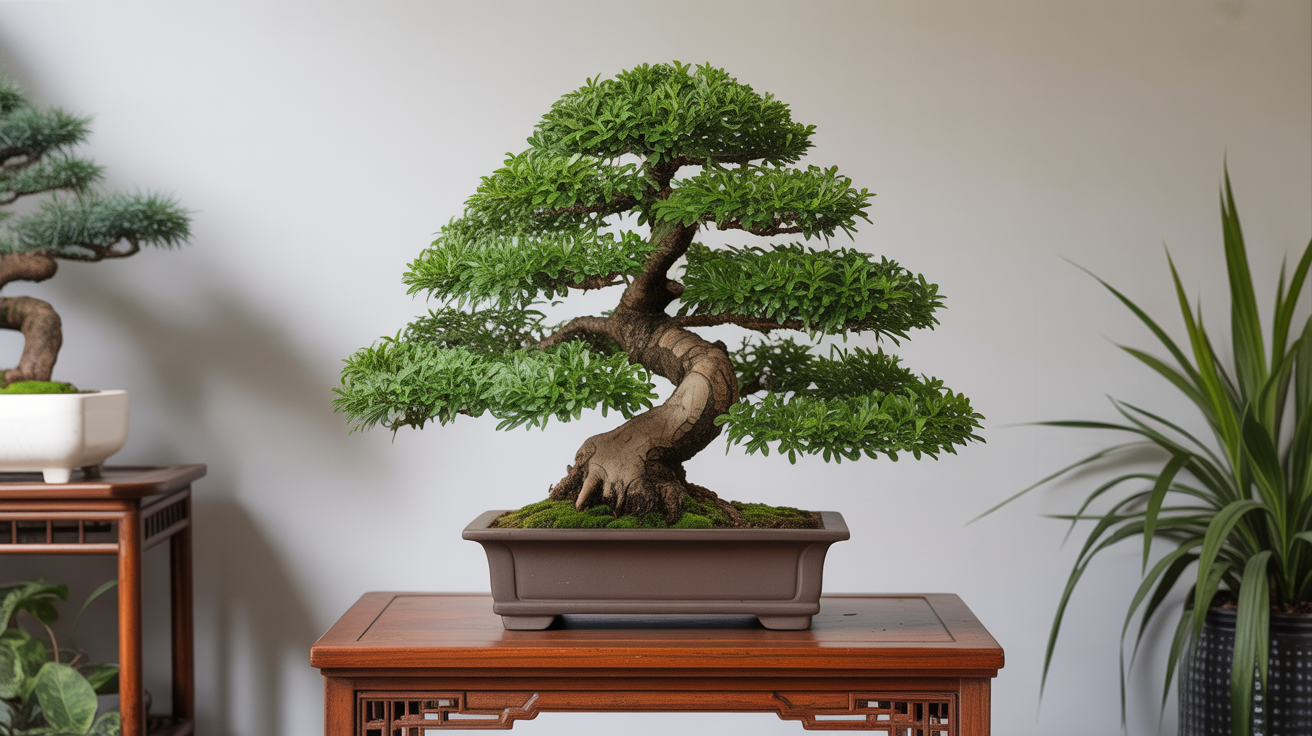
The Chinese elm (Ulmus parvifolia) is widely considered the best starter bonsai you can buy. It has small, naturally elegant leaves, responds well to pruning, tolerates beginner mistakes, and is available at almost every bonsai nursery. If you picked one up at a garden center or online and want to know what to do next, this guide covers everything.
Why beginners often choose Chinese elm
Most beginner-friendly bonsai species have a catch. Junipers, for example, are popular but die indoors. Ficus are more forgiving inside but need heat and humidity. Chinese elm sits in the middle: it can live outdoors in most temperate climates, adapts reasonably well to indoor conditions when light is good, and forgives the occasional missed watering better than many species.
It also has an appealing look even as a young tree. The fine branching, small serrated leaves, and attractive gray bark give it a mature character before you have spent years training it. For a beginner who wants a tree that looks like a bonsai right away, that matters.
If you are still deciding which species to start with, the 10 best bonsai trees for beginners gives a broader comparison across popular options.
Chinese elm bonsai: indoor or outdoor?
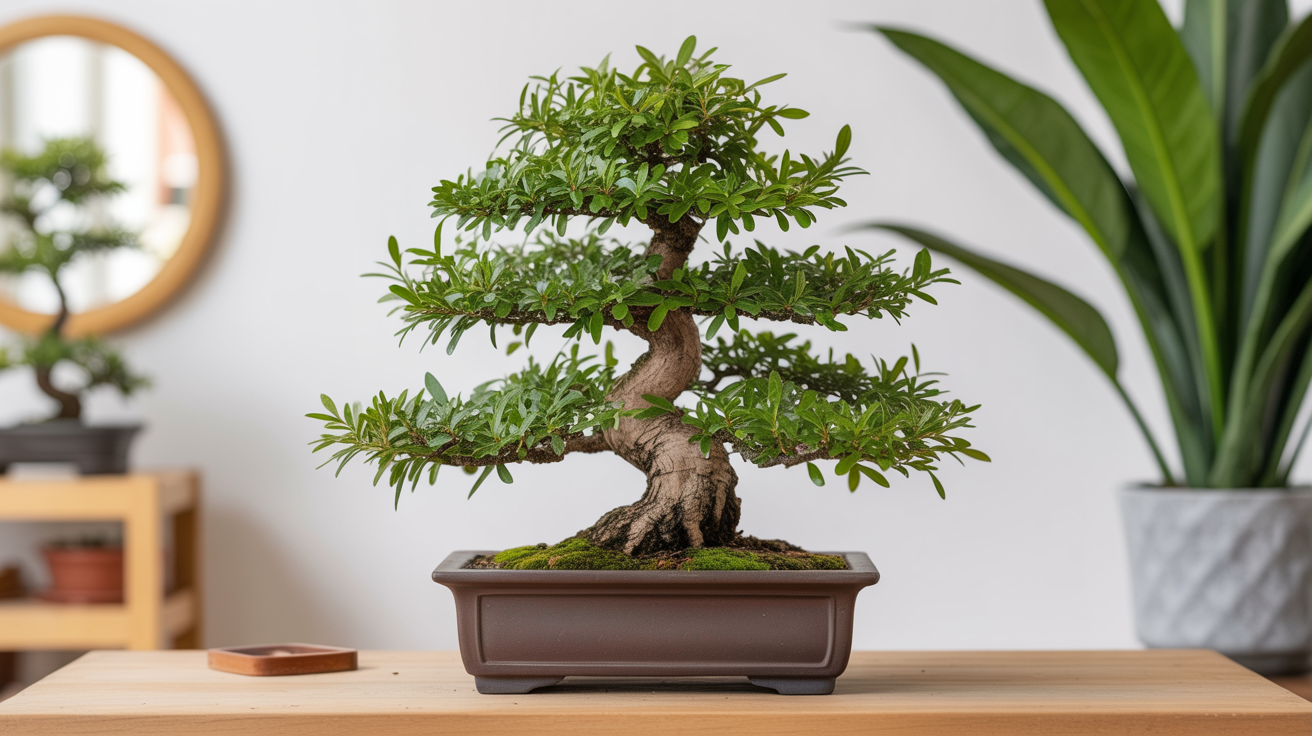
This is the question most new owners get wrong. Chinese elm is a semi-deciduous tree, not a tropical houseplant. It prefers to be outside for most of the year.
In spring, summer, and autumn, a spot outdoors with morning sun and light afternoon shade is ideal. The tree gets stronger light, more airflow, and natural seasonal cues that keep it healthy.
In winter, the rules change depending on your climate:
- Mild winters (rarely below -5°C / 23°F): The tree can stay outdoors year-round, possibly dropping some leaves in the coldest weeks before flushing again in spring.
- Cold winters: Bring it into an unheated but frost-free space: a garage, shed, or cool porch. It needs a proper rest period, not a warm living room.
- Indoor growing year-round: Possible, but only works well with a very bright window (south-facing in the Northern Hemisphere) or supplemental grow lights. Without enough light, the tree weakens over time.
The short version: outdoors is better whenever the weather allows. A permanently indoor Chinese elm is managing, not thriving.
Watering
Watering kills more bonsai than any other mistake, usually through overwatering. Chinese elm care on the watering front comes down to one rule: check the soil before you water.
Push your finger about a centimetre into the soil. If it feels damp, wait. If it feels barely moist or dry, water thoroughly until it drains from the holes in the pot. Never let the pot sit in a saucer of standing water.
In summer, a tree in full sun may need water every day or even twice a day in hot weather. In winter, especially if the tree is resting indoors or in a cool shed, it might only need water every few days. There is no universal schedule. You have to read the tree.
Using rainwater is better than tap water if you have access to it. Tap water works fine in most areas, but very hard water can raise soil pH over time. If you notice white mineral deposits on the soil surface, consider flushing the pot occasionally with rainwater.
Light and temperature
Chinese elm needs as much light as you can give it, especially in lower-light seasons. Outdoors in a bright position, it grows vigorously. Indoors, it gets by if the window is large and south or west-facing, but it tends to produce smaller, weaker growth compared to a tree grown outside.
Temperature tolerance is good. Mature trees can handle brief frost to around -10°C (14°F) with some protection, though younger or freshly repotted trees need more care. The main thing to avoid is moving the tree between very different environments too quickly. A tree that has been sitting in a warm house all winter and then gets put outside on a cold March day will struggle. Transition it gradually, starting with short outdoor stints on mild days.
Feeding and soil
During the growing season (roughly early spring through early autumn), feed your Chinese elm every two to four weeks with a balanced liquid fertilizer or bonsai-specific fertilizer. Healthy, growing trees respond well to feeding and produce the fine twiggy structure that makes a good bonsai silhouette.
Reduce or stop feeding in autumn and stop entirely over winter when the tree is dormant.
On soil: most Chinese elms from commercial nurseries come in fast-draining bonsai mix, which is what you want. If the soil in your pot stays wet for days after watering, it may be too dense. Good drainage prevents root rot and lets you water properly without fear. When you repot, use an akadama-based mix or a commercial bonsai substrate, not standard potting compost.
Pruning and shaping
One of the reasons Chinese elm is so popular for bonsai is that it backbuds readily. When you cut a branch, new growth usually sprouts from lower on the same branch or from nearby, letting you refine the structure over time.
Basic pruning is simple:
- Let new shoots grow out to 4 to 6 leaves, then cut back to 1 or 2 leaves.
- Do this repeatedly through the growing season to build fine branching.
- Remove branches that cross inward, grow straight up (water shoots), or clutter the silhouette.
For wiring, the branches are flexible when young but stiffen quickly. Wire new growth in spring or early summer and check it every few weeks. Chinese elm bark marks easily, so watch for the wire biting in as the branch thickens.
Heavy structural pruning is best done in early spring before the new flush of leaves, or in early autumn. Avoid hard cutting in midsummer or deep winter.
Repotting
Young, fast-growing trees need repotting every one to two years. Older, more refined trees can go three to four years between repots. The sign it is time: roots circling the pot in a dense mat, or water draining very slowly because the roots have filled all available space.
Repot in early spring, just as the buds start to swell but before the leaves open. This timing gives the tree the whole growing season to recover. Work in fresh bonsai soil, trim the roots by around a third, and keep the tree out of strong sun and wind for a few weeks after repotting.
Why is my Chinese elm losing leaves?
Leaf drop is one of the most common worries new owners have. The reassuring news: Chinese elm is semi-deciduous, meaning it may shed some or all of its leaves at certain times of year and it is completely normal.
Common reasons for leaf drop:
| Cause | What's happening |
|---|---|
| Autumn/winter dormancy | Natural cycle; tree will reflush in spring |
| Moving the tree indoors | Change in light and humidity triggers a partial leaf drop |
| Overwatering | Roots rot, tree drops leaves as a stress response |
| Underwatering | Tree sheds leaves to conserve water |
| Cold or heat stress | Sudden temperature change triggers leaf drop |
| Pests or disease | Check undersides of leaves for scale, spider mites, or aphids |
If your tree drops leaves in autumn when brought inside, do not panic. Keep it in the best light you can, reduce watering to match its lower activity, and wait. It almost always reflushes. If it drops leaves in midsummer with no change in conditions, that warrants closer investigation of watering, root health, and pests.
Frequently asked questions
Can a Chinese elm bonsai live indoors permanently?
Yes, with caveats. It needs a very bright position, ideally supplemented with a grow light in winter. Without strong light, the tree gradually weakens. It also benefits from a cool rest period in winter rather than staying warm all year in a centrally heated room.
How often should I water my Chinese elm bonsai?
There is no fixed schedule. Check the soil daily and water when the top centimetre feels barely moist or dry. In hot summer weather that might be every day; in a cool shaded spot in winter it might be every three days. Consistency matters less than actually checking.
My Chinese elm has lost all its leaves. Is it dead?
Probably not. Check the branches by gently scratching the bark with a fingernail. If the tissue underneath is green, the tree is alive. Bare branches in autumn or after being moved indoors are almost always just dormancy or adjustment. Give it time and appropriate conditions before writing it off.
What is the best fertilizer for Chinese elm bonsai?
A balanced fertilizer works well during the growing season, roughly equal parts nitrogen, phosphorus, and potassium. Some growers switch to a lower-nitrogen fertilizer in late summer to encourage hardening before winter. Bonsai-specific slow-release pellets are convenient and hard to overdo.
How do I know when to repot?
Check the roots each spring when you water. If you can tip the tree out of the pot and see a dense mat of roots with little soil visible, it is time. Also, if water sits on the surface for a long time before draining, root congestion is likely the cause.
Chinese elm is a genuinely good beginner tree, not just in reputation but in practice. It teaches you the fundamentals of bonsai care without punishing every mistake. If you want to compare it against other popular options before committing, the care guides for ficus bonsai and juniper bonsai are worth reading side by side with this one.
The main thing is to get the light right and not overwater. Get those two things right and a Chinese elm will reward you with steady, satisfying growth.