Juniper Bonsai Care for Beginners
Learn the basics of juniper bonsai care: sunlight, watering, pruning, and why junipers must live outdoors. A practical guide for first-time growers.
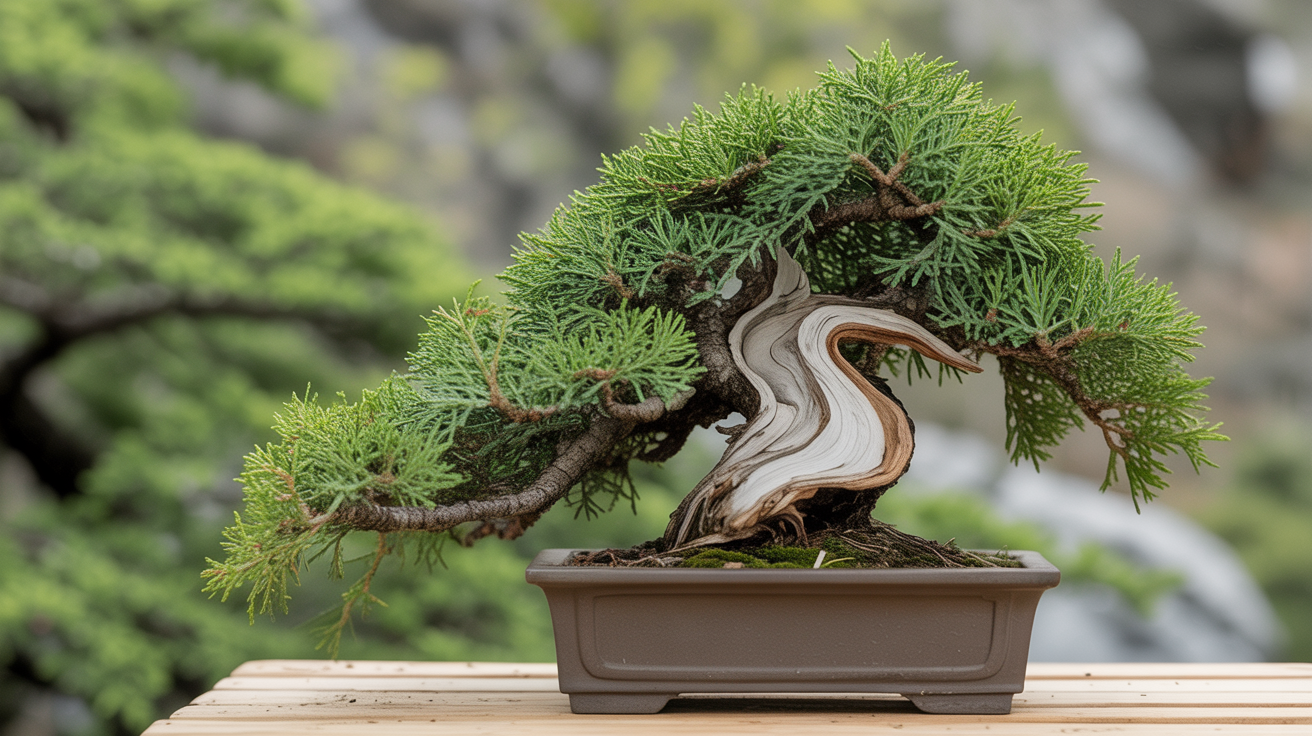
Juniper bonsai are the tree most people picture when they first hear the word "bonsai." They're sold everywhere, they look dramatic, and when kept correctly they're reasonably forgiving. When kept incorrectly, they die quietly over a few weeks while appearing fine. That gap between "looks okay" and "actually thriving" is what this guide will help you close.
The short answer on how to care for a juniper bonsai: put it outside in full sun, water it only when the soil starts to dry out, and prune it in late spring or early summer. Everything below explains the why behind each of those points.
At a Glance
- Junipers are outdoor trees, full stop. No windowsill, however bright, gives them enough light long-term.
- They want at least six hours of direct sun a day and good airflow around the foliage.
- Water only when the soil feels dry or barely damp; overwatering, not underwatering, kills more junipers.
- Chinese juniper cultivars are hardy across a wide range, roughly USDA zones 4a to 9b, which is part of why they're such a common starter species.
- Prune and wire in late spring or early summer, after the first flush of growth hardens; avoid heavy cuts in late autumn.
- Watch for spider mites in hot, dry weather. Silvery, dusty-looking foliage is the earliest tell.
Can juniper bonsai live indoors?
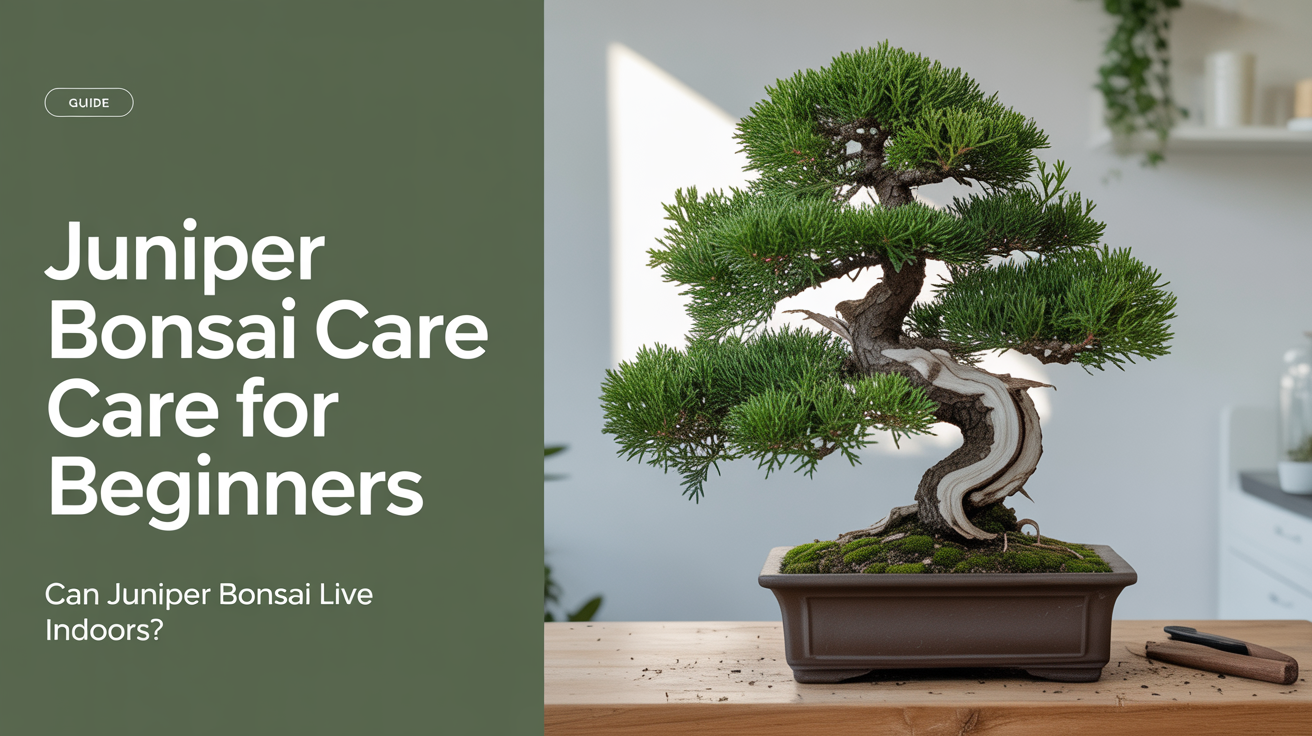
No. This is probably the single most important thing to know before you bring one home.
Junipers are outdoor trees. They need strong, direct sunlight for most of the day, good airflow, and a cold dormancy period in winter. A windowsill, even a bright south-facing one, does not give them enough light. Without full outdoor sun, the foliage slowly weakens, internodes stretch, and the tree becomes vulnerable to spider mites and root rot. Most junipers sold at gift shops or garden centers to be kept indoors are already on borrowed time, often already stressed by weeks of low light before you even bring them home.
If you want a beginner bonsai you can keep on a desk or shelf, look into a ficus bonsai or a Chinese elm instead. Both handle indoor conditions far better. Junipers belong outside.
The only time a juniper should come inside is briefly, for display at a party or event, for a few hours at most. Then it goes back out.
Light and placement
Junipers want at least six hours of direct sun per day, and more is better. A south- or west-facing spot in the garden, on a balcony, or on a patio works well. If you are in a very hot climate where summer temperatures regularly push above 38°C (100°F), some afternoon shade can prevent the shallow bonsai pot from overheating and cooking the roots. In milder climates, full sun all day is ideal.
Avoid placing the pot on a surface that absorbs and radiates heat. A concrete patio in July can turn a small bonsai pot into an oven, with soil temperatures well above the surrounding air. Raising the pot on a wooden bench or slatted shelf helps with airflow and temperature, and it's an easy fix if you notice foliage looking scorched on the side nearest a wall or paving.
Juniper bonsai watering
Watering kills more junipers than anything else. Both overwatering and underwatering are common, but overwatering is the bigger threat, especially in autumn and winter when the tree's water needs drop significantly.
How to check if your tree needs water
Push your finger about a centimetre into the soil. If it feels moist, wait. If it feels dry or barely damp, water thoroughly. The goal is a wet-dry cycle, not permanently wet soil.
Pot size, soil type, temperature, and humidity all affect how fast the soil dries. A small pot in hot weather might need water every day or two. The same tree in cool autumn weather might go five or six days between waterings. Check the soil, not the calendar.
How to water
Water until it runs freely from the drainage holes. This flushes the entire root mass and pushes out stale air from the soil. Then let the pot drain completely. Never leave a juniper sitting in a saucer of water for more than an hour.
In summer, misting the foliage in the morning can help in very dry climates, but it is not a substitute for watering the soil.
Winter watering
During dormancy, a juniper's water needs drop to almost nothing. The tree still needs occasional watering if the soil dries out completely, but overwatering a dormant juniper is an easy way to cause root rot. Check the soil every week or so rather than watering on a routine schedule.
Soil and repotting
Standard garden soil and potting compost are too dense for bonsai. They retain too much moisture and compact over time, which suffocates roots and leads to rot. A bonsai-specific mix, or a blend of akadama, pumice, and grit, gives the drainage and aeration junipers need.
Repot young, fast-growing junipers every two to three years. Older, more established trees can go three to five years between repottings. The right time to repot is early spring, just before new growth appears.
When repotting, remove no more than one-third of the root mass in a single session. Prune the longest roots and tease apart any that have begun to circle the pot. After repotting, keep the tree in a sheltered, semi-shaded spot for two to four weeks to let the roots recover before returning it to full sun.
Popular juniper species for bonsai
Not all junipers behave the same way. This is a starting reference, not an exhaustive list.
| Species / cultivar | Hardiness | Typical use | Notes |
|---|---|---|---|
| Procumbens 'Nana' (Japanese garden juniper) | Roughly zones 4 to 9 | Very common beginner choice | Widely sold pre-styled, forgiving of moderate pruning |
| Juniperus chinensis 'Shimpaku' | Roughly zones 4a to 9b | Favored by more advanced growers | Prized in Japanese bonsai for fine foliage and deadwood potential; the 'Itoigawa' cultivar is especially sought after |
| Juniperus rigida (needle juniper) | Roughly zones 4 to 8 | Intermediate | Sharp, needle-like foliage; less forgiving of handling than Shimpaku types |
| Juniperus horizontalis (creeping juniper) | Roughly zones 3 to 9 | Cascading and semi-cascade styles | Naturally low, spreading habit suits cascade training |
If you're not sure which cultivar you have, a nursery tag or a photo comparison against a plant database is usually enough to narrow it down. The care differences between common cultivars are small; the light and watering rules in this guide apply broadly across all of them.
Pruning and shaping
Junipers back-bud well, which makes them forgiving to prune. The basic rule: let new growth extend until it starts to look shaggy or disrupts the shape you want, then trim it back.
Pinching versus cutting
For light maintenance, pinch new shoot tips with your fingers rather than cutting. This encourages the foliage to ramify (branch more finely) without leaving brown cut ends. For harder reduction, use sharp, clean scissors or concave cutters.
Avoid cutting into bare brown wood deeper than necessary. Junipers can die back from large bare sections if there are no live buds nearby to push new growth. As a rule of thumb, never remove more than a third of the live foliage mass in a single session, and spread heavier reduction work across two or three sessions a season instead of one.
Timing
The best time for significant pruning is late spring or early summer, after the first flush of growth has hardened slightly. You can do light maintenance pinching through the growing season. Avoid heavy pruning in late autumn or winter when the tree is going into dormancy, since cuts made that late have little time to heal or push new growth before cold weather slows the tree down.
Wiring
Wiring is how you shape the branches over time. Copper or aluminium bonsai wire is wrapped around a branch and gently bent to the desired angle. Check wired branches every few weeks, as junipers grow fast enough that wire can cut into the bark before you realise. Remove or replace wire before it bites in.
Fertilising
Feed your juniper regularly from early spring through to mid-autumn. A balanced fertiliser (equal nitrogen, phosphorus, and potassium numbers) works well through summer. In late summer and autumn, switch to a low-nitrogen fertiliser to harden the growth before dormancy.
Liquid fertilisers work well and are easy to adjust. Solid or slow-release bonsai fertilisers are also fine and require less frequent application. Follow the product instructions. Underfeeding is much less dangerous than overfeeding, so when in doubt, apply at half strength.
Do not fertilise a tree that has just been repotted. Wait six to eight weeks for the roots to settle first.
Dormancy and winter care
Junipers need a cold winter dormancy. In most of the UK, Europe, and temperate North America, leaving the tree outside is fine. The cold does not harm them. What harms them is a combination of freezing roots in a small pot with no insulation from the ground.
If temperatures in your area regularly drop below -10°C (14°F), protect the pot by burying it in the ground to its rim, wrapping it in horticultural fleece, or moving it into an unheated shed or garage. The tree needs cold temperatures (close to or just above freezing) but the pot should not freeze solid for extended periods, since repeated hard freeze-thaw cycles are what actually damage roots.
A cold greenhouse or unheated outbuilding is ideal. Keep the tree in the light if possible, because junipers are semi-evergreen and still need some light even in winter.
Common problems
| Problem | Likely cause | What to do |
|---|---|---|
| Browning foliage from the inside | Normal shedding of old inner foliage | Remove dead foliage, ensure good airflow |
| Yellowing foliage all over | Overwatering or root rot | Check drainage, reduce watering, inspect roots at repotting |
| Silvery or dusty foliage, fine webbing | Spider mites, common in hot, dry conditions | Rinse foliage with a strong water spray, treat with insecticidal soap, avoid spraying in temperatures above 32°C (90°F) |
| Leggy growth, stretched internodes | Insufficient light | Move to full outdoor sun |
| Foliage dying back in sections | Wire biting in, or heavy late-season pruning | Remove wire early, avoid cutting back hard after August |
Spider mites in particular thrive on trees that are already water-stressed, so a mite outbreak is often a sign to check your watering routine as well as treat the mites directly. Avoid broad-spectrum insecticides where possible, since they also kill the predatory mites that keep populations in check naturally.
Frequently asked questions
How often should I water my juniper bonsai?
Check the soil rather than following a fixed schedule. Push a finger about a centimetre into the soil. Water thoroughly when it feels dry or barely damp. In summer this might be every one to two days. In cooler months it might be once a week or less.
My juniper came from a gift shop and was kept indoors. Can I save it?
Possibly. Move it outside to a sunny spot immediately and reduce watering. If the foliage is still green and firm, the tree may recover over a few weeks with strong sun and careful watering. If the foliage is dull, papery, or pulling off easily, the tree is likely too far gone. A juniper that has been kept indoors for more than a month without real sun is usually in serious trouble.
Can I keep my juniper bonsai on a balcony?
Yes, as long as the balcony gets several hours of direct sun. High-rise balconies with good sun exposure work fine. Shaded or north-facing balconies generally do not provide enough light. Wind exposure on a high balcony can also dry out the soil very fast, so check moisture more frequently.
When is the best time to repot a juniper bonsai?
Early spring, just before new buds begin to open. This gives the roots the whole growing season to recover. Repotting in summer or autumn is harder on the tree and best avoided unless there is a specific problem like severe root rot.
Is juniper bonsai a good choice for complete beginners?
It depends. If you have an outdoor space with good sun and you are willing to learn the soil-checking habit, junipers are good starter trees. They are widely available, back-bud well, and respond clearly to good care. If you are looking for something you can keep indoors or that is more tolerant of irregular watering, look at the best bonsai trees for beginners for options that might suit you better.
Why do junipers do better outdoors than other bonsai species?
Junipers evolved as sun-loving, cold-hardy conifers adapted to open, exposed sites, from coastal cliffs to mountain slopes. That background means their foliage is built for intense light and their roots expect a real winter chill to reset the growing cycle. Tropical species like ficus evolved under very different conditions and tolerate indoor life far better as a result, which is why the two groups need almost opposite care.