The 10 Best Bonsai Trees for Beginners
Find the best bonsai tree for beginners with this honest species guide — forgiving trees, care tips, and what to avoid when buying your first bonsai.
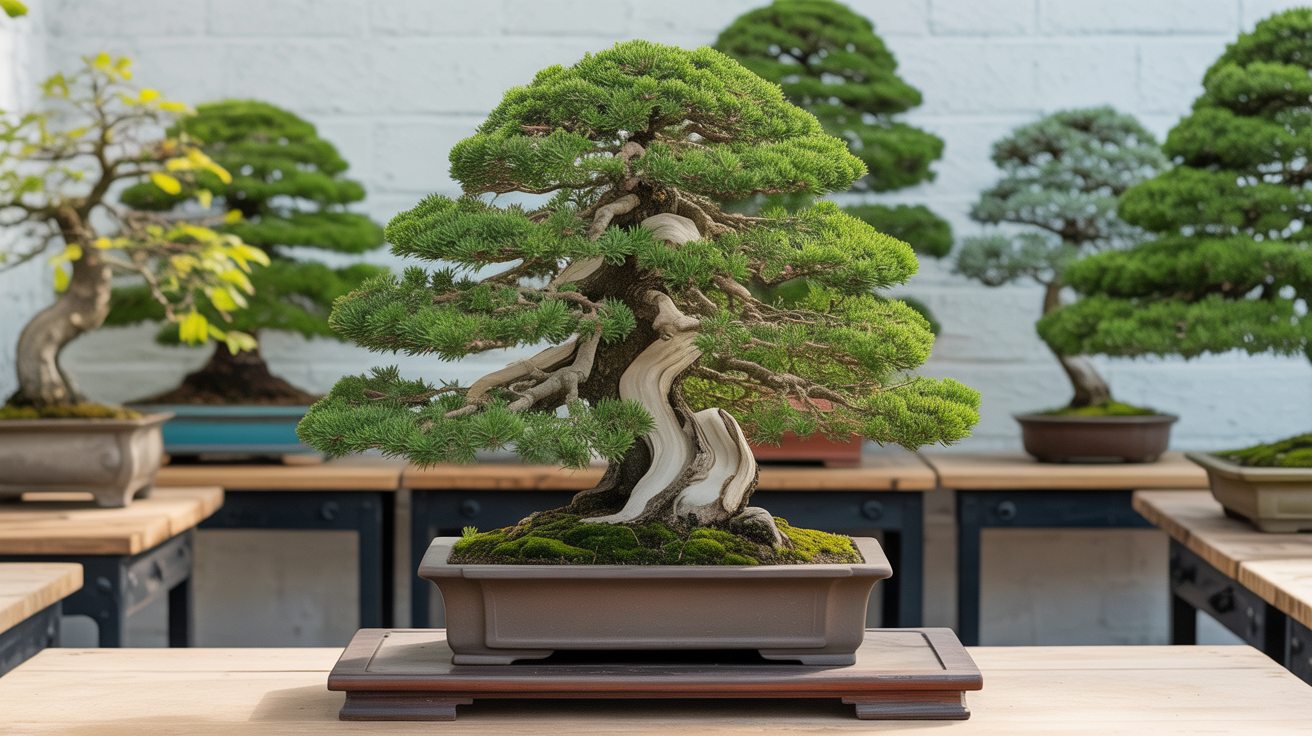
If you're looking for the best bonsai tree for beginners, the short answer is: pick a species that matches your climate and light situation before worrying about style. Most beginner trees die not because bonsai is impossibly hard, but because someone bought a tropical fig for an unheated garage or a juniper for a dark apartment. Match the tree to your conditions first, and everything gets easier.
Below you'll find 10 beginner-friendly bonsai species ranked roughly from most forgiving to slightly more demanding. Each entry notes what makes it a good first bonsai tree, what will kill it, and what to realistically expect in the first year.
What makes a bonsai species good for beginners
A forgiving first tree shares a few traits. It recovers from missed waterings (or over-watering) better than a fussy species. It tolerates the occasional bad prune. It gives you visible feedback, like new buds or leaf drop, so you can learn to read the tree before you do something drastic. And it's available in actual bonsai pots rather than just as nursery stock you'd have to train from scratch.
Species that are easiest to keep alive are usually either subtropical (kept indoors in a bright spot year-round) or temperate trees that stay outside and go dormant naturally in winter. Neither is universally better; the right one depends on where you live.
One thing to get straight before buying: a "bonsai" is just a tree trained in a pot. Any species can technically be a bonsai. What varies is how much patience, technique, and controlled environment each one demands.
The 10 species
1. Ficus (Ficus retusa, F. microcarpa, or F. benjamina)
Ficus is probably the single most common beginner bonsai tree in the world, and for good reason. It tolerates indoor conditions, forgives irregular watering, and pushes new growth quickly so you can see results without waiting for spring. Drop the leaves? It almost certainly comes back if the roots are still healthy.
See our full guide on ficus bonsai care for beginners for watering schedules, soil, and repotting timing.
What kills it: cold drafts, moving it between light conditions too fast, letting it sit in standing water. Keep it above 10°C and near a bright window.
Best for: anyone without outdoor space, or anyone in a cold climate who wants a year-round indoor tree.
2. Chinese elm (Ulmus parvifolia)
Chinese elm is the other tree that shows up on almost every "best starter bonsai" list, and it earns that reputation. It's semi-evergreen in mild climates (meaning it may drop some leaves in winter, which is normal, not death). The small, serrated leaves reduce naturally, and it responds well to pruning by back-budding readily.
Our Chinese elm bonsai care guide covers the details, including whether to keep it indoors or outdoors depending on your winter temperatures.
What kills it: being kept completely in the dark indoors. It wants bright light. If you're growing it inside, put it in the brightest window you have.
Best for: beginners who want to learn basic pruning and wiring on a tree that bounces back quickly.
3. Juniper (Juniperus procumbens, J. chinensis)
Junipers are the tree most people picture when they think "bonsai." They're temperate trees and must live outside; keeping a juniper indoors is one of the most common reasons beginners lose their first tree. Outside, with good light and appropriate watering, they're tough and long-lived.
The foliage pads respond well to pinching, which makes junipers satisfying to style as you get more confident. They also hold deadwood features (jin and shari) better than most species.
Read the full breakdown of juniper bonsai care for beginners if you're considering one.
What kills it: bringing it inside. Seriously. Also: overwatering in a pot without drainage, or letting the rootball completely dry out in summer heat.
Best for: anyone with outdoor space in a temperate climate.
4. Jade plant (Crassula ovata)
Jade is a succulent, which means it stores water in its leaves and trunk. That makes it unusually drought-tolerant. Forget to water for a week? The jade doesn't care. It's slow-growing compared to ficus or elm, so you won't be repotting it every year, but that also means you can observe and learn without the tree constantly outrunning you.
The trunk thickens with age and gets that gnarled, ancient look that draws people to bonsai in the first place. It also tolerates the indoor air of centrally heated homes better than most trees.
What kills it: overwatering. Let the soil dry out between waterings. No standing water. Ever.
Best for: beginners who tend to forget about their plants, or anyone in a dry climate who wants something genuinely low-maintenance.
5. Fukien tea (Carmona retusa)
Fukien tea is a tropical tree grown almost exclusively indoors in temperate regions. It produces tiny white flowers and small berries, which makes it visually interesting even before you start shaping it. The small leaves reduce naturally with pot cultivation.
It's a little more demanding than ficus in terms of humidity and consistent warmth, but it's widely available at bonsai nurseries and garden centers.
What kills it: dry indoor air in winter. It wants humidity. A humidity tray (a tray of pebbles and water under the pot) helps a lot. Also: cold windowsills in winter.
Best for: beginners who want a flowering indoor tree and are willing to pay attention to humidity.
6. Cotoneaster (Cotoneaster horizontalis or C. microphyllus)
Cotoneaster is a shrub that adapts extremely well to bonsai culture. It flowers in spring, produces red berries in autumn, and the small leaves look proportional even on a young tree. It's an outdoor species in most temperate climates.
It's forgiving about pruning and responds well, which makes it good for learning basic technique. Less well-known than juniper or maple but genuinely one of the easiest bonsai to keep alive outdoors.
What kills it: keeping it indoors long-term, or not protecting the roots during extreme freezes (the roots in a bonsai pot are more exposed than in the ground).
Best for: beginners in temperate climates who want seasonal interest (flowers, berries, autumn colour) and don't mind an outdoor tree.
7. Trident maple (Acer buergerianum)
Maples are one of the most rewarding bonsai trees once you understand their seasonal rhythm. The trident maple in particular is popular because it grows faster than Japanese maple, tolerates heat better, and the leaf lobes reduce to a nice small size with pot culture and regular defoliation.
It's an outdoor tree that needs full dormancy in winter. This is slightly more demanding than a ficus or jade because you need to understand the seasonal cycle and protect the tree from very hard freezes, but it's not difficult once you know what to expect.
What kills it: not allowing proper dormancy, or forgetting about it in midsummer heat when pots dry out fast.
Best for: temperate-climate beginners ready to learn about seasonal care and who want spectacular autumn colour.
8. Japanese maple (Acer palmatum)
Japanese maple is beautiful and the bonsai world is full of them, but it earns a slightly lower spot on this list because the leaves scorch in hot, dry wind and the tree resents being moved around. It's not difficult, but it's less forgiving than trident maple for beginners who are still working out watering routines.
That said, if your climate suits it and you have a sheltered outdoor spot, it's a wonderful tree to start with. The leaf shapes are extraordinary, and the autumn colour is hard to beat.
What kills it: afternoon sun in hot summers (dappled light is better), drying out in warm weather, or sitting in a waterlogged pot.
Best for: beginners in cool-to-mild temperate climates with a sheltered outdoor spot.
9. Pomegranate (Punica granatum, especially dwarf varieties)
Pomegranate bonsai are popular in Mediterranean and warm-temperate regions. The dwarf variety (Punica granatum 'Nana') stays small naturally and produces proportional flowers and tiny fruit on a miniature trunk with interesting flaky bark. It flowers young, often in the first year or two.
It tolerates heat well and is reasonably drought-tolerant once established. In cold climates it needs to come indoors for winter or be kept frost-free.
What kills it: hard frost, overwatering in winter dormancy, or keeping it in low light indoors year-round.
Best for: beginners in warm or Mediterranean climates, or anyone who wants a flowering and fruiting tree.
10. Boxwood (Buxus sempervirens or B. microphylla)
Boxwood is a slow-growing outdoor shrub that makes a solid if understated bonsai. It tolerates heavy pruning, back-buds reliably, and the small dense foliage pads look proportional on a compact tree. It's cold-hardy, which makes it good for northern climates.
It's near the bottom of this list not because it's hard, but because it's slow. You won't see dramatic changes month to month, which some beginners find frustrating. On the other hand, it's nearly impossible to kill outright, and patience is part of bonsai anyway.
What kills it: summer drought in a small pot (it needs consistent moisture), or letting it sit in soggy soil in winter.
Best for: patient beginners in cold climates who want a long-term project tree.
A practical comparison at a glance
| Species | Indoor or outdoor | Cold hardiness | Forgiveness for beginners | Growth speed |
|---|---|---|---|---|
| Ficus | Indoor | Frost-tender | Very high | Fast |
| Chinese elm | Both | Light frost OK | Very high | Moderate-fast |
| Juniper | Outdoor only | Hardy | High (outdoors) | Moderate |
| Jade | Indoor | Frost-tender | Very high | Slow |
| Fukien tea | Indoor | Frost-tender | Moderate | Moderate |
| Cotoneaster | Outdoor | Hardy | High | Moderate |
| Trident maple | Outdoor | Hardy | Moderate-high | Fast |
| Japanese maple | Outdoor | Hardy | Moderate | Moderate |
| Pomegranate | Outdoor/semi-tender | Light frost only | Moderate | Moderate |
| Boxwood | Outdoor | Very hardy | High | Slow |
What to look for when buying your first tree
A healthy bonsai from a reputable nursery is worth more than a cheap one from a supermarket trolley. Here's what to check before you buy.
Roots and pot: the tree should sit firmly in the pot. Visible surface roots (nebari) that spread outward are a good sign. If the tree rocks around or looks recently potted, it may be raw nursery stock sold as a bonsai.
Foliage: no yellowing leaves, no sticky residue (a sign of aphids or scale), and no visible powdery patches on leaves. A few blemishes are normal; widespread damage is not.
Trunk: a trunk with visible taper (wider at the base, narrowing toward the apex) will look more convincing as a bonsai over time than a straight stick. Even on a small tree, some taper is better than none.
Soil: bonsai soil should be gritty and fast-draining. If you push your finger in and it feels like dense potting compost, the tree may need repotting sooner than you expect.
Frequently asked questions
What is the absolute easiest bonsai to keep alive?
For indoors, ficus or jade. Ficus tolerates the low light and dry air of most homes, and jade is nearly unkillable if you don't overwater it. For outdoors in a temperate climate, juniper or cotoneaster are the most forgiving options, provided you keep them outside year-round.
Can I keep any bonsai indoors?
Not really. Outdoor trees like junipers, maples, and cotoneaster need real seasons and natural temperature fluctuation. Bringing them inside long-term disrupts dormancy and usually kills them slowly. Stick to tropical or subtropical species (ficus, fukien tea, jade, pomegranate in cold climates) if you only have indoor space.
How often should I water a beginner bonsai?
There's no universal schedule. The rule most bonsai teachers give is: check the soil daily and water when the top layer starts to dry out, but before the pot is bone dry. Frequency depends on pot size, species, season, and how hot and sunny your spot is. A small pot in summer sun might need water every day; a jade in a cool room in winter might go two weeks between waterings.
Do I need to fertilise my bonsai?
Yes. A bonsai is growing in a small amount of soil that gets watered frequently, so nutrients flush out quickly. A balanced liquid fertiliser at roughly half the recommended dose, applied every two to four weeks during the growing season, is a reasonable starting point. Slow-release pellets designed for bonsai also work well. Don't fertilise a tree that is sick, dormant, or freshly repotted.
When should I repot my first bonsai?
Most beginners are told to wait. A healthy young bonsai in good bonsai soil probably needs repotting every two to three years; an older tree in a large pot might go longer. The sign to watch for is roots circling the bottom of the pot or pushing up through the soil surface. The right time of year varies by species; spring before new growth breaks is usually safest for deciduous trees.
The species on this list cover a wide range of climates, light situations, and care styles. If you're still not sure where to start, choose based on where the tree will live: outdoors with seasons, pick a juniper or Chinese elm; indoors year-round, start with a ficus. Neither will punish you for being new to this.