How Much Does It Cost to Start Bonsai?
A plain-language breakdown of what bonsai actually costs to start, from a first tree to basic tools, so you know what to budget.
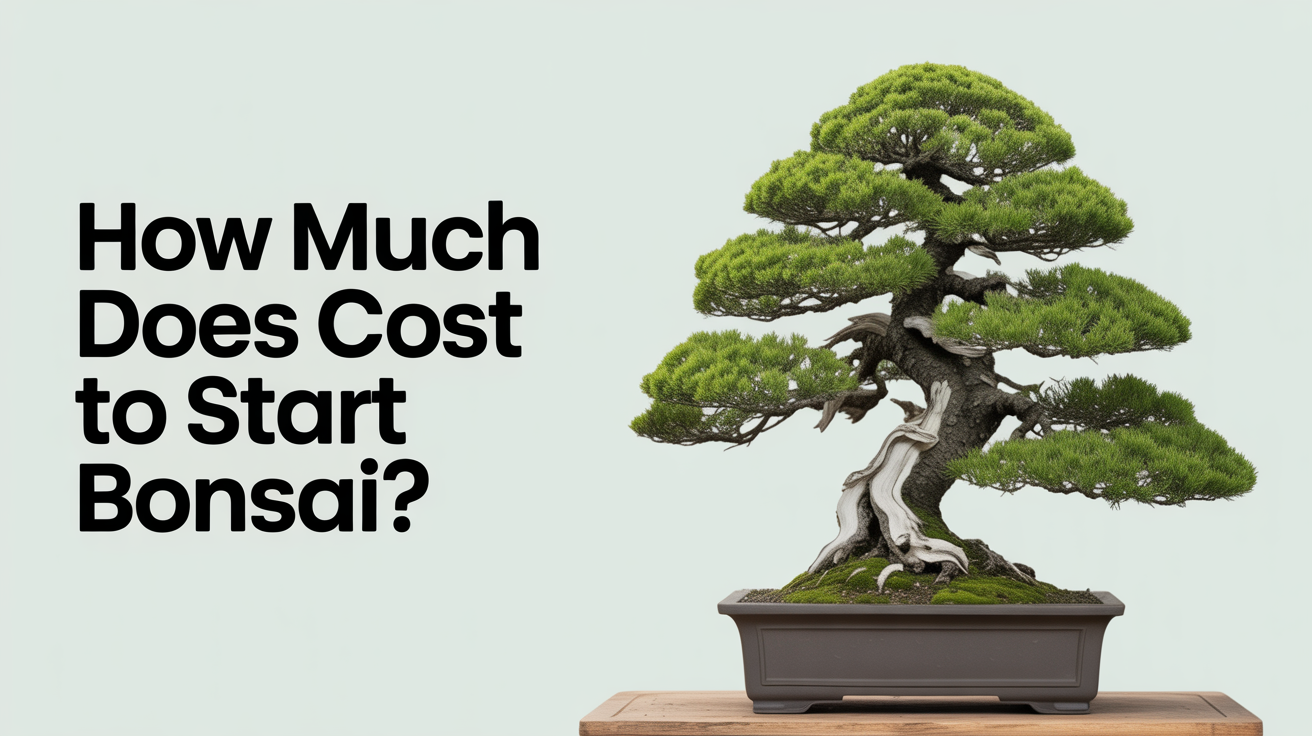
Starting bonsai does not require a large investment. A solid beginner setup, including a tree, a pot, soil, and the handful of tools you actually need, typically runs between $50 and $150 depending on where you shop and what species you choose. You can spend far more, and experienced practitioners often do, but nothing about the early stages demands it.
What Drives the Cost of Starting Bonsai
Three things set the price of a beginner setup: the tree itself, the container, and the tools. Everything else is secondary at first.
The Tree
This is usually the biggest variable. Pre-trained nursery stock labeled "bonsai" at garden centers or box stores can run $15 to $40 for a small juniper or ficus. A proper, developed bonsai from a specialty nursery or online bonsai retailer starts around $30 to $60 for a young or beginner-grade specimen and climbs steeply from there as age and refinement increase.
The cheapest path of all is growing from nursery stock, which means buying a $5 to $15 plant from a regular garden center and starting the training yourself. Many experienced growers prefer this route. It takes longer, but you learn more and spend less.
The Pot
A training pot, which is what most beginners use during the early shaping years, costs $5 to $20. Glazed or unglazed ceramic display pots suitable for a refined tree can run $30 to $100 or more, but you do not need one at the start. A plain plastic nursery container or a basic unglazed training pot works fine while the tree is still developing.
Tools
You do not need a full tool kit on day one. A pair of concave branch cutters and a small pair of bonsai scissors or shears covers most of what a beginner actually does. Budget around $20 to $50 for decent starter tools. Cheap tools tend to crush branches rather than cut cleanly, so it is worth spending a little more on one or two quality pieces rather than buying a large set of poor-quality items.
A Realistic Starter Budget
| Item | Budget end | Mid-range |
|---|---|---|
| Beginner tree (nursery stock or starter bonsai) | $10 to $20 | $30 to $60 |
| Training pot | $5 to $15 | $15 to $30 |
| Bonsai or potting soil mix | $8 to $15 | $15 to $25 |
| Basic tool set (scissors + 1 cutter) | $20 to $35 | $40 to $70 |
| Wire (one roll of aluminum) | $5 to $10 | $10 to $15 |
| Total | $48 to $95 | $110 to $200 |
Ongoing costs after the first year are modest. Fertilizer, occasional soil top-ups, and replacement wire might add $20 to $40 per year per tree. Repotting, which happens every one to three years depending on species, requires fresh soil and sometimes a new pot.
The Cheap Way to Start Bonsai
Buying pre-bonsai nursery stock is the most cost-effective entry point. Go to a regular plant nursery or home improvement store and look for compact, woody plants with interesting trunks. Junipers, cotoneasters, azaleas, and Japanese maples are common nursery finds that respond well to bonsai training. You can find suitable candidates for under $15.
The savings add up when you combine inexpensive nursery stock with simple tools and a basic training pot. You will spend more time than money in this approach, which is actually how most experienced growers prefer to work.
Growing from seed is even cheaper in raw materials but takes several years before the tree looks like anything. Most beginners find nursery stock or a starter bonsai a better fit, since you can see progress within a season or two.
Is Bonsai Expensive Long-Term
For most people, no. Once you have a tree established in a suitable pot with a basic tool kit, the recurring costs are low. Fertilizer, occasional wire, and fresh soil at repotting time are the main ongoing expenses.
Where cost increases noticeably is when you start acquiring more trees or moving into collected material (trees dug from the ground) or aged imported Japanese trees. A developed, decades-old juniper or pine from Japan can cost hundreds or thousands of dollars. Those are collector purchases, not beginner ones.
The hobby scales with what you put into it. A single tree kept in good health with modest tools can satisfy someone for years without any significant additional spending.
What You Can Skip at First
Spending money on the following things is not necessary when you are starting out:
A display stand. These are for showing trees at exhibitions or in your home once a tree is refined. Unnecessary for a first-year tree still in training.
Humidity trays. Useful for indoor trees in dry environments, but a shallow saucer from a garden center works the same way at a fraction of the cost.
Specialty fertilizer products. A basic balanced fertilizer available at any garden center works well during the growing season. Dedicated bonsai fertilizers are not required for a tree to thrive.
A full tool kit. Sets sold as "complete bonsai kits" often include tools you will not use for years. Buy one or two quality individual pieces instead.
For more background on what getting started actually involves, take a look at what bonsai really takes for a complete beginner and the broader beginner's guide to starting bonsai.
If you are still deciding what kind of tree to work with, the guide on indoor vs outdoor bonsai for beginners can help you narrow that down before you spend anything.
Frequently Asked Questions
Can I start bonsai for under $50? Yes. Buying a suitable nursery plant for $10 to $15, a basic pair of scissors or small pruning shears for $15 to $20, and a simple pot or repurposing a container you already have can get you started for $30 to $50. You may not have everything a dedicated bonsai kit offers, but the tree does not know the difference.
Why are some bonsai trees so expensive? Age and development. A tree that has been trained and refined over many years represents years of skilled work and growing time. A 30-year-old display-quality juniper reflects that investment. Beginners do not need to buy trees like that, and most experienced practitioners started with inexpensive material.
Do I need special bonsai soil? Bonsai soil needs to drain quickly, which most standard potting mixes do not do well. A basic mix of akadama, pumice, and perlite in roughly equal parts works well and costs $15 to $30 for enough to fill several pots. Some growers use a simple mix of coarse perlite and inorganic grit at first. Pre-mixed bonsai soil is available from specialty retailers if you prefer not to mix your own.
How often will I need to repot, and what does that cost? Most beginner trees need repotting every one to three years, depending on how fast the roots fill the pot. The main cost is fresh soil, which runs $10 to $20 per repot for a small tree. You may also want a slightly larger training pot over time, which adds another $10 to $20.
Is bonsai more expensive than other plant hobbies? At the beginner level, it is comparable to other plant hobbies. A modest houseplant collection can easily cost as much as a beginner bonsai setup. The difference is that bonsai tools represent a real upfront cost, while ongoing maintenance stays low once you have the basics covered.