How to Choose the Right Bonsai Pot
Learn how to choose a bonsai pot that fits your tree's size, species, and stage: shape, depth, glazed vs unglazed, drainage, and beginner mistakes.
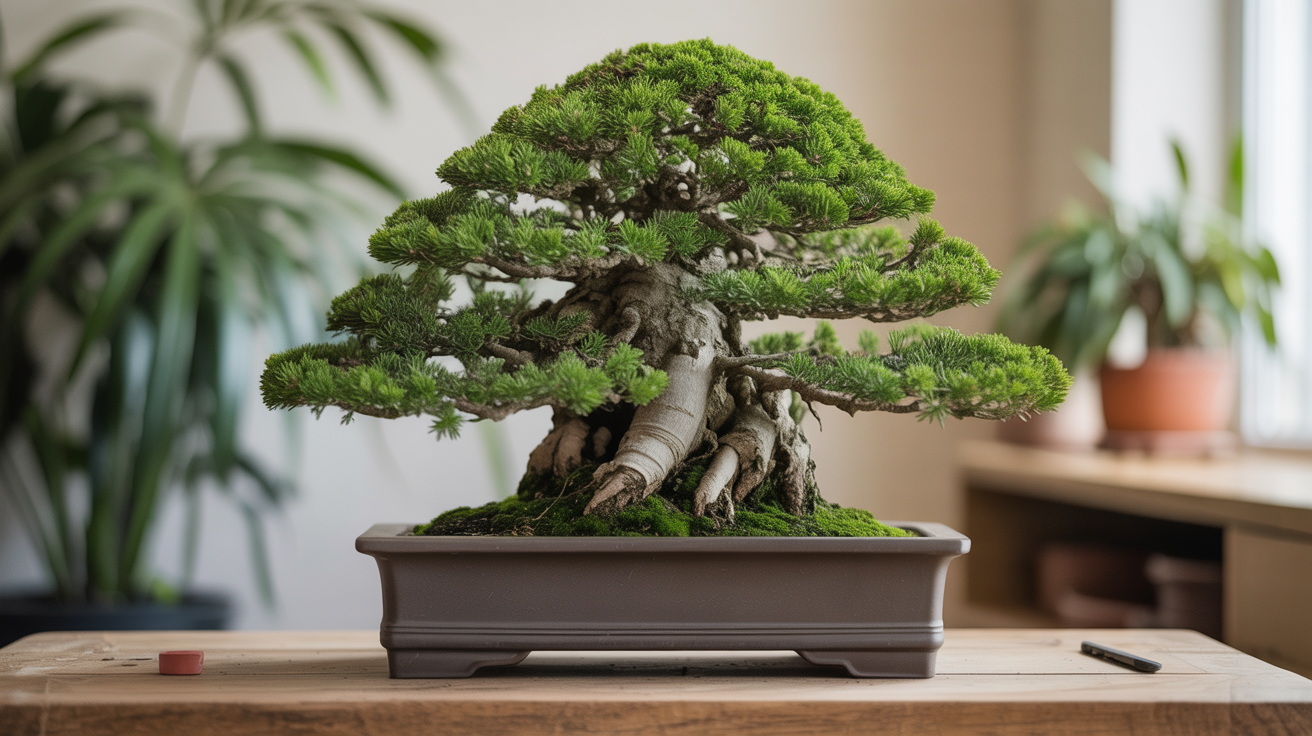
The pot you choose affects more than looks. It controls how much soil your tree can hold, how quickly that soil dries out, and whether the roots stay healthy between repottings. A bad fit can stress a tree for years.
The short answer: pick a pot that is roughly two-thirds the height of your tree (or two-thirds its width for wide, spreading trees), has at least one drainage hole, and suits the species. That gets you most of the way there. The rest is about style, glaze, and watching your tree over time.
Why the pot actually matters
Beginners often assume the pot is just a container. It is more like a growth environment. A pot that is too large holds excess moisture and can cause root rot. One that is too small restricts the root system and stresses the tree through drought stress between waterings.
The relationship between pot and tree is ongoing. As the tree matures and the root mass develops, you will repot into a slightly different vessel. Early on, a training pot (plain, deep, sometimes plastic) is perfectly fine. The decorative ceramic pot you see in photos is usually reserved for trees that are already well-developed.
Sizing your pot: the practical bonsai pot size guide
There is no single formula that works for every species and style, but these proportions give you a solid starting point.
For upright, tall trees:
- Pot length: about two-thirds the height of the tree
- Pot depth: roughly equal to the trunk diameter just above the soil line
For wide, spreading trees or group plantings:
- Pot length: about two-thirds the width of the canopy spread
- Pot depth: similar rule as above
A shallower pot dries out faster, which suits species that prefer drier conditions (most junipers, for example). A deeper pot holds more moisture and suits maples and elms, which like consistent watering.
When in doubt, go slightly smaller rather than larger. Oversized pots are one of the most common reasons beginners lose trees to root rot.
Training pots vs display pots
Most repotting guides, including the step-by-step repotting walkthrough here, recommend keeping young or recently repotted trees in simple training pots. These are usually plastic or basic unglazed stoneware, often rectangular or oval, and deeper than a show pot. They prioritize root health and easy watering over aesthetics.
A display pot comes later, once the tree has a defined trunk, good taper, and a mature nebari (root flare at the base).
Glazed vs unglazed bonsai pot: which one to use
This is one of the questions beginners ask most. The distinction matters practically, not just aesthetically.
Unglazed pots are porous. Water and air move slowly through the walls, which means the soil dries out a little faster. This makes them better for trees that need good drainage and don't want wet feet: conifers, junipers, most pines, and desert species. The earthy, muted tones (terracotta, brown, grey) also pair naturally with informal or rugged tree styles.
Glazed pots have a fired glaze that seals the clay walls. Moisture stays in the soil longer. This suits deciduous trees like maples, elms, and hornbeams, which appreciate more consistent moisture. Glazed pots come in a wider range of colours and are often used for display trees where the pot is part of the composition.
A few rules of thumb that experienced growers follow:
| Tree type | Pot recommendation |
|---|---|
| Conifer (pine, juniper) | Unglazed, earthy tones |
| Deciduous (maple, elm) | Glazed, muted colours |
| Flowering or fruiting | Glazed, subtle complementary colour |
| Tropical (ficus, fukien tea) | Either, depending on your climate |
| Training/recovery phase | Plain training pot, any material |
Colour is secondary to function. The common advice is to avoid competing with the tree: a subtle pot draws the eye to the tree, not itself.
Shape and style: matching pot to tree
Rectangular and oval pots are the most common and the most forgiving. They work with most tree styles and are easy to find at any beginner price point.
Round pots suit trees with rounded, dome-like canopies. Cascade pots (tall, narrow, and deep) are made specifically for cascade-style trees where branches hang below the pot rim. Hexagonal, square, and drum pots are rarer and are usually chosen once you have a more developed sense of your tree's final style.
The general principle is contrast: a masculine, rough-textured tree (think twisted juniper) pairs with a heavier, angular pot. A delicate flowering tree might call for something softer and rounder.
None of this is binding at the beginner stage. A plain oval training pot in a neutral colour is the right choice for most people's first tree. You will refine the aesthetic choices as the tree matures.
Drainage holes: non-negotiable
Any pot you use for bonsai needs at least one drainage hole, ideally two or more. Bonsai soil mixes are designed to drain freely, and they only work if the water can exit the pot. A pot without drainage will drown the roots no matter how carefully you water.
Some decorative pots sold in garden centres or home stores have no drainage holes, or have them in awkward positions. Check before you buy.
The holes should also be large enough to thread wire through. When you repot and root prune, you will anchor the root ball to the pot using wire threaded through the drainage holes. This keeps the tree stable while new anchor roots establish. Small or decorative holes can make this impossible.
What to avoid as a beginner
A few patterns show up repeatedly with new growers:
- Buying a pot before you have the tree. The tree comes first. Match the pot to what you actually have.
- Going too deep. Shallow pots look elegant but dry out fast. Start with something proportional.
- Using a pot with no drainage. Already covered, but worth repeating.
- Choosing a bright or complex colour. A bold blue or patterned glaze can overpower a young tree that doesn't yet have a strong presence. Neutral earthy tones are harder to get wrong.
- Repotting into a display pot too soon. If your tree is still in its early training phase, it belongs in a training pot. Knowing when to repot matters here too.
Frequently asked questions
Can I use any pot as long as it has drainage holes?
Technically yes, especially in the training phase. A plastic nursery pot with drainage holes works fine for a developing tree. What matters most is that the proportions are right and the drainage is reliable. Terracotta garden pots also work for early training, though they are heavier and less traditional. As the tree matures, you will want something that fits bonsai proportions more closely.
How do I know if my pot is too small?
Watch how fast the soil dries out between waterings. If you are watering every day and the soil is still bone dry within hours, the root mass has probably outgrown the pot. You might also notice roots circling the bottom of the pot, pushing through the drainage holes, or lifting the trunk above the rim. These are signs it is time to repot.
Does pot colour affect tree health?
Darker pots absorb more heat from the sun, which can warm the roots faster in spring but may overheat them in a very hot summer. In most temperate climates this is minor. In hot climates, a very dark pot in full sun can be worth avoiding. Practically, colour matters more to the eye than to the tree.
Do I need to do anything to a new pot before using it?
For unglazed pots, a soak in water for an hour or so can help. This stops the dry clay from drawing moisture aggressively out of the fresh soil when you first repot. Rinse out any dust or residue from manufacturing. For glazed pots, a good rinse is enough.
What about very cheap pots from garden centres or online?
They can work, especially in the training phase. Quality varies a lot: some cheap pots crack in frost, have drainage holes too small for wire, or are not the proportions they appear to be in product photos. If you are buying a display pot for a tree you have spent years developing, it is worth spending more. For a training pot or a first tree, something inexpensive is fine.