How to Overwinter an Outdoor Bonsai
A beginner's guide to overwintering bonsai safely: when to move them, where to store them, and how to protect roots through cold months.
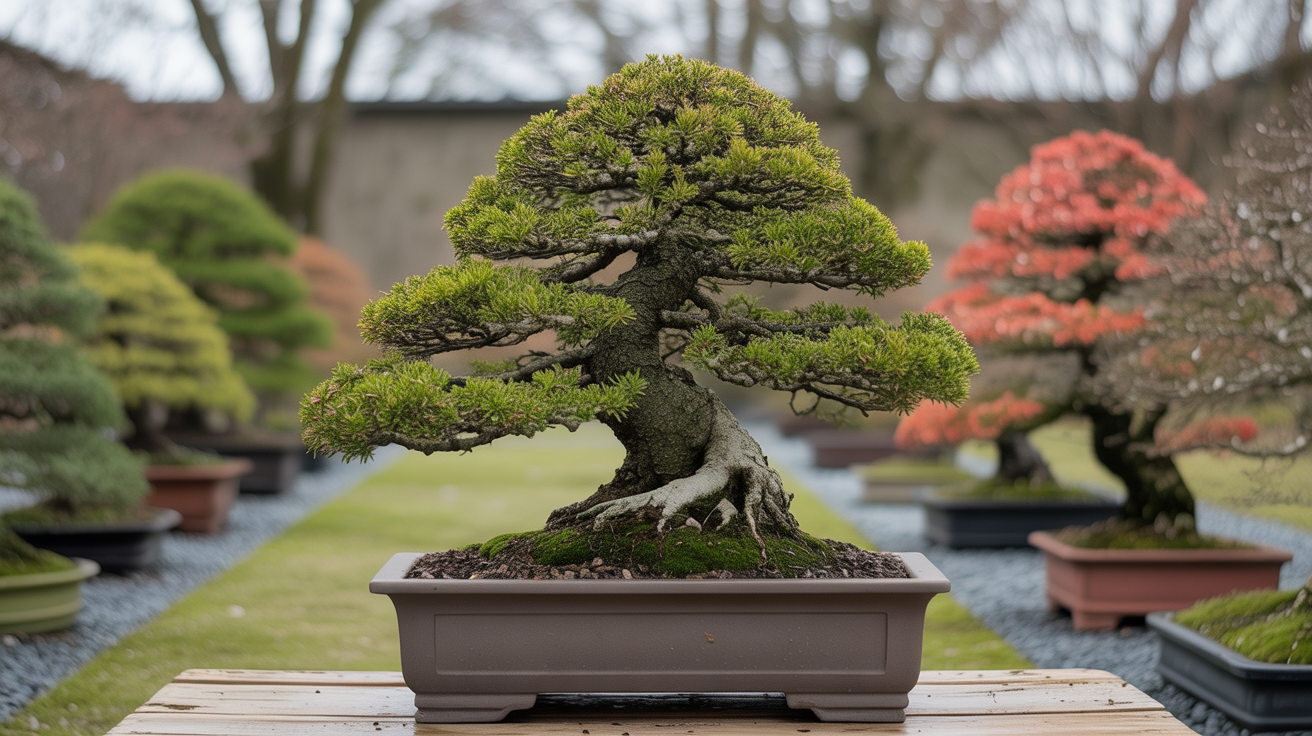
Outdoor bonsai need a dormant period in winter, but they can't handle the same freezing conditions a full-sized tree in the ground can. A tree in a small pot has roots exposed on all sides, and those roots freeze faster than anything planted in the earth. The good news: overwintering is straightforward once you know the basic idea. Get the timing right, pick the right shelter, and keep the soil barely moist. That's most of it.
Why Outdoor Bonsai Need Special Attention in Winter
A healthy outdoor bonsai is supposed to go dormant. This rest period is critical for temperate species like juniper, maple, and pine. Skip dormancy entirely and the tree slowly weakens over the years.
The problem in winter is not cold air so much as frozen roots. In nature, roots sit deep in the ground where soil temperature is stable. A shallow bonsai pot, especially an unglazed clay one, offers almost no insulation. When the root ball freezes solid, cells rupture and the tree can't take up water even on warmer days.
Most outdoor bonsai need temperatures somewhere between just above freezing and about 50°F (10°C) during dormancy. Species from warmer climates, like olive or bougainvillea, may need a frost-free but still cool space. Cold-hardy species like trident maple or larch can handle harder winters, but they still benefit from protection against freeze-thaw cycles, which are often more damaging than sustained cold.
When to Bring Bonsai to Their Winter Shelter
Timing varies by species and where you live, but a reliable general guide: move trees to winter shelter once nighttime temperatures are consistently dropping below 28°F (-2°C), or after the first hard frost.
Don't rush this. Moving trees indoors too early, while nights are still warm, can trick them into pushing new growth at the wrong time. Let the trees feel autumn. The shortening days and cooling temperatures trigger dormancy naturally. You want them fully dormant before you shelter them.
A few signals that your tree is ready:
- Deciduous species have dropped most of their leaves
- New growth from late summer has hardened off (tips are not soft or green)
- Nights are reliably cold even if days are still mild
Where to Keep Bonsai in Winter
This is where most beginners get confused. "Outdoor bonsai winter storage" does not mean leaving them outside on the bench, and it also doesn't mean bringing them inside by a sunny window.
Unheated Structures
An unheated garage, garden shed, or cold greenhouse is ideal for most temperate species. The goal is a space that stays above the hard-freezing threshold but remains cold enough to keep the tree dormant. Aim for roughly 28 to 45°F (-2 to 7°C).
The tree doesn't need light during deep dormancy. An unlit garage works fine for deciduous trees from the time they've dropped their leaves until late winter. Conifers and broadleaf evergreens do benefit from occasional light if stored for more than eight weeks.
Cold Frames and Mulched Beds
If you have a cold frame in the garden, you can overwinter hardy species inside it at pot level. Another option for very cold-hardy trees: sink the pots into a raised bed of mulch so the root ball is surrounded and insulated. The pot still sits on the surface but is buried to its rim in bark chips, straw, or leaves.
This works well for established junipers and maples in climates where temperatures don't dip below about 14°F (-10°C) for long stretches.
What to Avoid
| Location | Problem |
|---|---|
| Heated living room | Too warm, too dry, too bright. Tree won't stay dormant. |
| Unprotected outdoor bench | Root ball freezes through, freeze-thaw damage to pot |
| Attached garage with car heat | Temperature fluctuates wildly; car exhaust is harmful |
| South-facing window indoors | Warmth triggers early bud break before roots are ready |
Watering and Care Through Winter Dormancy
Dormant trees still need water, just far less of it. Check the soil every one to two weeks. You're looking for barely moist, not wet and not bone dry. A completely dry root ball in winter will kill the tree just as surely as a frozen one.
On mild days when temperatures are above freezing, give the tree a light drink. In an unheated garage, once every two to three weeks is often enough. Don't fertilize during this period. The roots aren't actively growing and can't process nutrients.
Pests are mostly dormant too, but it's worth checking for scale insects on conifers when you do your watering checks. They overwinter on bark and can be removed with a soft brush.
When late winter arrives and you start to see swelling buds, increase watering slightly. The tree is waking up before it goes back outside.
Bringing Bonsai Back Outside in Spring
Rushing bonsai back outside in early spring is a common mistake. A late frost after new leaves have unfurled can wipe out an entire season's growth.
Wait until the last frost date for your area has passed and nights are consistently above 28°F (-2°C). Start by placing trees in a sheltered, partly shaded spot for the first week or two. Direct spring sun is stronger than it looks, and roots that have been in low light all winter need time to adjust.
After two weeks of hardening off, move the tree to its normal outdoor location. This is also a good time to assess the root system. If the tree is due for repotting, spring after winter dormancy is the right window. More on timing in When to Repot a Bonsai and How to Tell, and the hands-on steps are covered in How to Repot a Bonsai Tree: A Step-by-Step Guide.
Frequently Asked Questions
Can I leave my outdoor bonsai outside all winter if I live somewhere mild? It depends on your species and how mild your winters actually are. If you're in a climate where temperatures rarely drop below 28°F (-2°C) and you're growing a cold-hardy species, leaving the tree out with some root insulation (mulching the pot into a bed) can work. In most temperate climates, some form of shelter is safer.
My garage is attached to the house and stays around 55°F (13°C). Is that too warm? It's a bit warm for species that need a proper chilling period, like trident maple or Japanese maple. They prefer temperatures closer to 35 to 45°F (2 to 7°C) for dormancy. At 55°F the tree may not rest deeply enough. For less cold-demanding species like olive or subtropical figs, 55°F is fine.
Do I need to do any root work before winter? Not specifically because of winter. If your tree's roots are circling or pot-bound, address that in spring when you repot. Doing significant root pruning in autumn before winter dormancy gives the tree less time to recover before cold sets in. Spring is safer for root work.
My bonsai lost all its needles indoors over winter. What happened? Conifers kept in conditions that are too warm or too dark will drop foliage in distress. If the tree was in a heated room, it likely tried to grow while having no light, or the dry indoor air stressed it. Move it to a cooler, slightly brighter space immediately. Check the soil moisture. Some recovery is possible, but it depends on how much foliage was lost and how long the stress lasted.
When should I stop feeding my bonsai before winter? Stop fertilizing about four to six weeks before you expect the first hard frost, or once you see growth slowing and leaves beginning to color on deciduous species. Continuing to feed late in the season pushes soft new growth that won't harden off before cold arrives.