How to Treat Common Bonsai Pests and Diseases
Learn to identify and treat spider mites, fungus gnats, scale insects, and root rot on bonsai trees using safe, beginner-friendly methods.
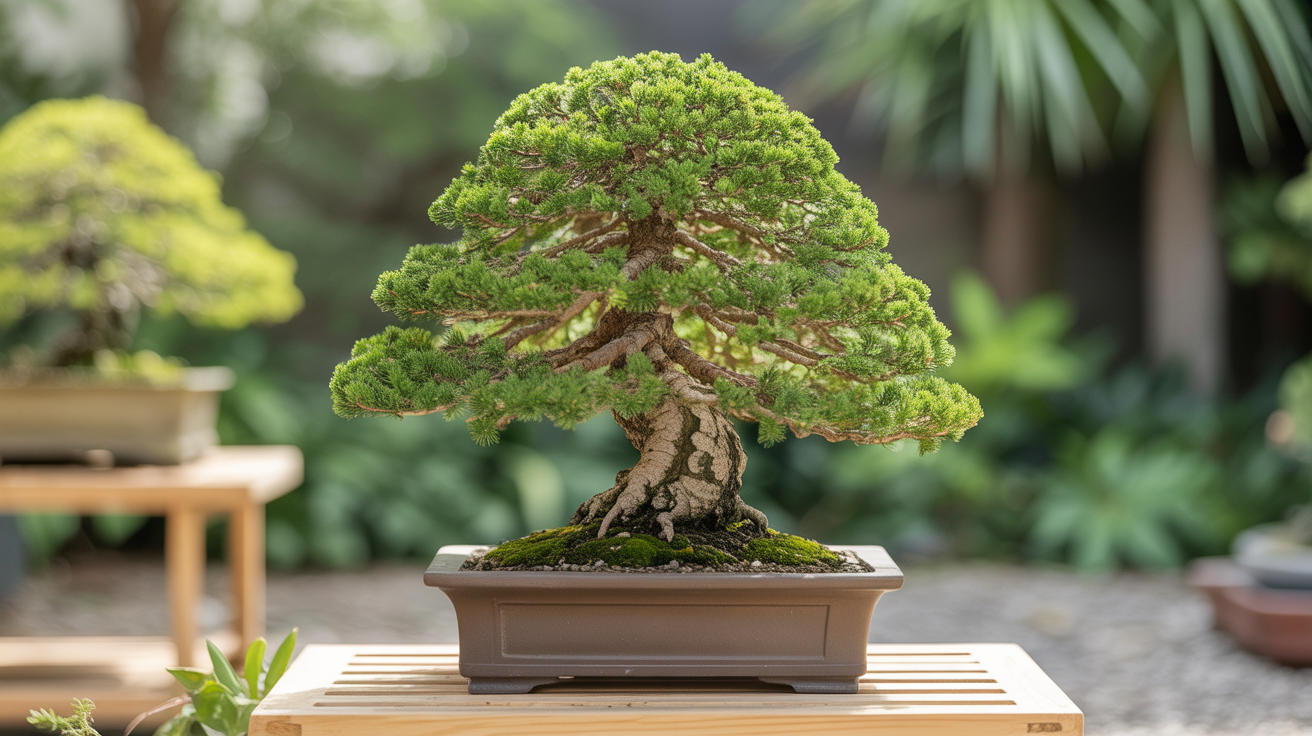
A bonsai confined to a small pot lives with less margin for error than a garden tree. The restricted soil volume, high humidity around the roots, and the stress that comes with routine shaping all make it easier for pests and pathogens to get a foothold. Beginners often chalk up yellowing leaves or wilting growth to watering mistakes, and sometimes they are right. But a second culprit is frequently at work, and knowing the difference changes how you respond.
This guide walks through the four problems that show up most often on beginner trees, how to tell them apart, and what to do about each one without reaching for anything too harsh.
Spider Mites
Spider mites are tiny, barely visible arachnids that cluster on the undersides of leaves. They pierce leaf cells and drain the contents, leaving behind a speckled, dusty bronze discoloration that can be mistaken for sun scorch or nutrient deficiency. A reliable test: hold a sheet of white paper under a branch and tap it gently. Reddish-brown specks that move are mites.
In dry indoor air, a mild infestation can explode within a week or two. Mites thrive in heat and low humidity, which means indoor trees placed near radiators or vents are especially prone.
Treatment steps:
- Move the tree away from heat sources and improve air circulation.
- Rinse the foliage under a gentle stream of water, directing it at the undersides of leaves. Do this three days in a row.
- Follow up with a spray of diluted neem oil (about 2 ml per litre of water with a few drops of dish soap to emulsify). Apply in the evening to avoid leaf scorch and repeat every five to seven days for two to three weeks.
- If the infestation is severe, insecticidal soap spray is a reasonable next step and is safer for most bonsai than systemic pesticides.
After treatment, misting foliage regularly and grouping trees together helps maintain humidity and discourages re-infestation.
Fungus Gnats
Fungus gnats are tiny black flies, around 2 to 3 mm long, that hover around the soil surface. The adults are a nuisance but cause little damage on their own. The larvae are the real problem: they live in the top layer of moist soil and feed on organic matter, including fine feeder roots. Signs of a larval problem include wilting that does not respond to watering and roots that look damaged or grey when you check them.
Fungus gnats thrive in consistently wet, organic-rich soil. They are far more common in peat-based or bark-heavy mixes than in the inorganic, free-draining soils that bonsai prefer. Overwatering is almost always a contributing factor.
Treatment steps:
- Let the top 1 to 2 cm of soil dry out between waterings. Larvae cannot survive in dry conditions.
- Yellow sticky traps placed near the pot catch adults and help you monitor the population.
- Bacillus thuringiensis var. israelensis (Bti), sold as a biological mosquito larvae control, can be watered into the soil. It kills larvae without harming roots, earthworms, or beneficial organisms.
- Avoid peat-based soil mixes. A well-draining mix built around akadama, pumice, and lava rock reduces the organic content larvae need to survive.
Correcting your watering routine is the most important long-term fix. Reviewing how to water a bonsai tree the right way can help you find the right rhythm.
Scale Insects
Scale insects attach themselves to branches, twigs, and sometimes leaves. They look like small brown or grey bumps, often in clusters along stems. Unlike mites and gnats, they do not move once they find a feeding site. They extract sap from the tree and can seriously weaken it over time. A secondary effect is the sticky honeydew they excrete, which can attract sooty mould.
Scales are easy to overlook because they blend in with bark. If a branch looks duller than usual or is losing vigour without obvious cause, run a finger along it and feel for irregular bumps.
Treatment steps:
- For light infestations, remove scales manually with a soft toothbrush or a cotton swab dipped in rubbing alcohol. Work methodically and check every branch.
- Neem oil spray applied to all woody surfaces smothers remaining insects and deters new arrivals.
- Repeat applications over a month are usually needed because eggs under the scale shells can hatch after the adults are dead.
- Inspect new trees carefully before placing them near your collection. Scale insects most commonly enter a collection on purchased plants.
Root Rot
Root rot is a fungal or bacterial condition that destroys roots, usually as a direct consequence of waterlogged soil. Affected roots turn dark, soft, and hollow-feeling, losing the firm white or tan colour healthy roots have. Above the soil line, root rot often looks like overwatering: yellowing leaves, limpness, and a tree that wilts despite the soil feeling wet.
The critical distinction is that improving your watering schedule will not fix root rot once it is established. The damaged roots can no longer take up water efficiently, so the tree suffers even after watering returns to normal. Understanding your soil structure is central to prevention. A mix that drains freely and does not compact is far more protective than any treatment. Reading about bonsai soil explained, what mix to use gives you a useful foundation here.
Treatment steps:
- Remove the tree from its pot. Rinse the rootball gently with water to expose the roots and assess the damage.
- Use clean, sharp scissors to cut away all dark, soft, or mushy roots. Wipe the blades with alcohol between cuts to avoid spreading the pathogen.
- Let the roots air dry briefly, then dust the cut surfaces with powdered cinnamon or horticultural sulphur, both of which have mild antifungal properties.
- Repot into fresh, well-draining soil. Do not reuse the old mix.
- Hold back watering for one or two days after repotting, then resume with a careful schedule. Checking the soil before watering, rather than watering on a fixed schedule, is the most reliable way to avoid a recurrence.
If root rot symptoms appeared after a period of heavy watering, also consider reviewing the signs to look for in future. The guide on signs you are overwatering or underwatering a bonsai walks through what to check.
Building Habits That Reduce Pest and Disease Pressure
No single treatment replaces consistent care habits. A tree that is well-suited to its environment, watered at the right frequency, and given adequate light resists pests more effectively than a stressed one.
A few practices that make a consistent difference:
- Inspect your tree when you water it. Check the undersides of leaves and the base of branches. Early detection keeps problems manageable.
- Quarantine new trees for two to four weeks before placing them with existing plants.
- Remove dead leaves and fallen debris from the surface of the soil, where fungal spores and insect eggs can overwinter.
- Avoid overcrowding. Good air movement reduces humidity around foliage and makes it harder for spider mites and fungal pathogens to establish.
Treatments work. Habits are what keep problems from returning.
Frequently Asked Questions
Can I use regular garden pesticides on my bonsai?
Many garden pesticides are formulated for outdoor use in larger quantities and can burn bonsai foliage or disrupt the soil biology in a small pot. Start with the least aggressive option: plain water rinses, neem oil, or insecticidal soap. Reserve stronger chemicals for situations where these have clearly failed, and always check the label for ornamental plant compatibility before applying anything new.
My bonsai looks sick but I cannot find any bugs. What else could it be?
Nutrient deficiency, root rot without visible insects, and environmental stress (too little light, drafts, sudden temperature changes) can all produce symptoms that resemble pest damage. If you have checked thoroughly for insects and found nothing, the next step is to examine the roots at your next repotting opportunity. A healthy root system rules out most other problems.
How long does a neem oil treatment take to work?
Neem oil disrupts the life cycle of insects rather than killing them instantly. You typically see a noticeable reduction in live insects after two to three applications spaced five to seven days apart. Continue for at least three weeks to catch any eggs that hatch after the first round.
Will my bonsai recover from root rot?
Many trees recover if the damage is caught before the majority of roots are affected. A tree that retains a reasonable proportion of healthy roots, rinsed, trimmed, and repotted into fresh soil, often stabilises within a few weeks. A tree where nearly all roots are gone has a much lower chance of survival. Acting quickly and giving the tree reduced watering stress after treatment are the two factors most within your control.
Is root rot contagious between trees?
The fungal and bacterial organisms that cause root rot are present in most garden environments and do not typically spread from one pot to another through air alone. The risk comes from shared tools, shared soil, or water draining from one pot into another. Sterilise scissors and chopsticks between trees, and do not reuse soil from a pot that contained a rotting rootball.