Is Bonsai Hard? A Realistic Beginner Timeline
Wondering if bonsai is too hard for beginners? Here's an honest look at the learning curve, common sticking points, and what to expect in your first year.
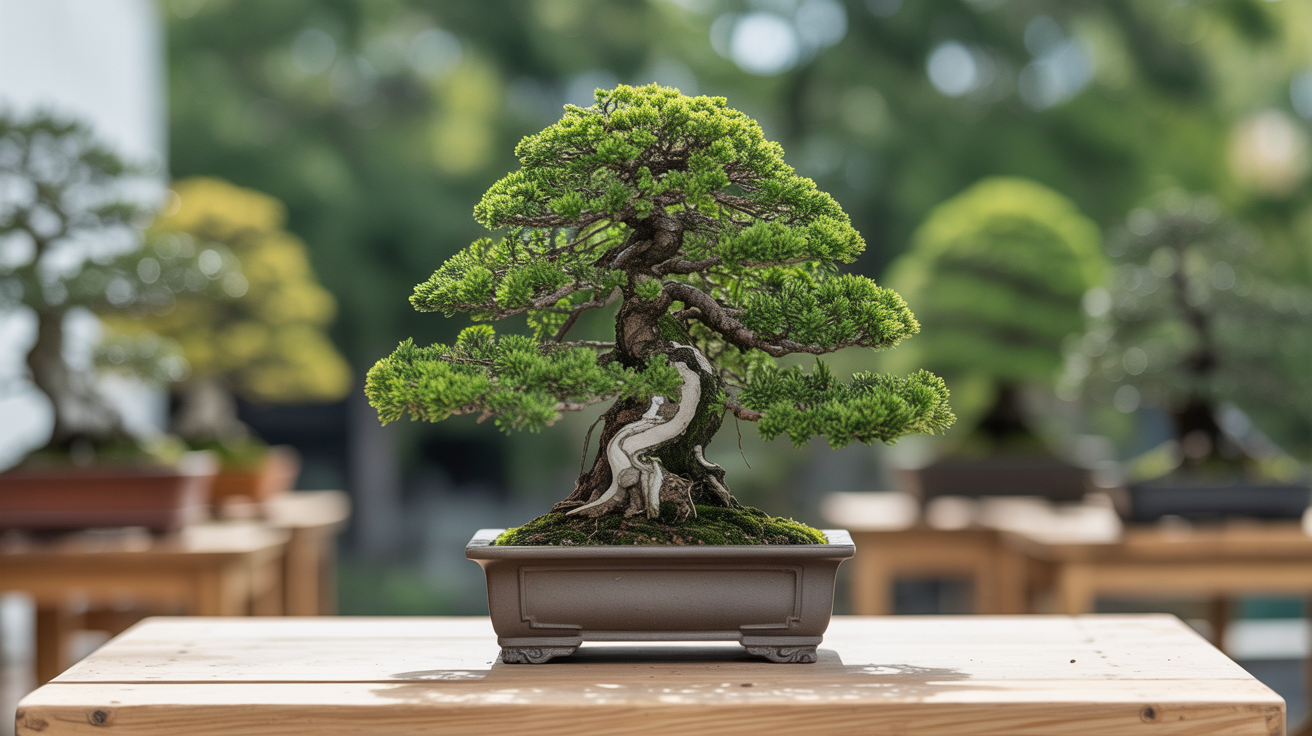
Bonsai has a reputation for being an advanced, fussy pursuit reserved for patient experts. That reputation is only partly deserved. The basics are genuinely learnable in an afternoon. The depth, however, goes as far as you want to take it. Whether bonsai feels hard depends almost entirely on which part you are trying to do and how much you expect from a tree in its first year.
The short answer: keeping a beginner-friendly species alive and growing is not especially hard. Styling a tree with real character takes longer and requires practice. Both are accessible to someone starting out today.
What Actually Makes Bonsai Feel Difficult
Most beginners who struggle hit the same two problems: they chose a demanding species first, or they watered on a fixed schedule instead of checking the soil.
A juniper in a terracotta pot on a kitchen windowsill is a recipe for frustration. That same juniper thriving outdoors in bright light and watered when the soil just starts to dry is much simpler to keep. The tree itself is not hard; the placement and approach were wrong.
The other common sticking point is expectation. Bonsai development moves slowly. A tree that looks roughly the same after three months has not failed. It is building roots and settling in. Beginners who expect visible drama quickly get discouraged; beginners who find the daily check-in routine satisfying tend to stick with it.
The Beginner Timeline: What to Expect Year by Year
These ranges reflect what most people experience with a pre-trained starter tree from a reputable nursery. Growing from seed or raw nursery stock adds years to each stage.
| Stage | Timeframe | What you are doing |
|---|---|---|
| Getting stable | Months 1-3 | Learning the watering rhythm, watching for stress signs |
| First prune | Months 3-6 | Light shaping, removing crossing branches |
| Wiring basics | Year 1-2 | Bending a branch or two with guidance |
| Developing a real design | Year 2-4 | Refining the structure, repotting for the first time |
| A tree with genuine character | Year 5+ | Years of small decisions accumulating |
These are starting points, not guarantees. A ficus in a warm humid climate will grow and respond much faster than a maple in a cool basement. Your particular tree sets the pace, not the calendar.
Skills You Pick Up Gradually
You do not need to learn everything at once. Bonsai skills layer on top of each other naturally as you spend time with the tree.
Reading your tree
This comes first and matters most. Yellowing leaves, dry soil that pulls away from the pot rim, branches that stop budding when they should: these signals tell you what is happening before things go seriously wrong. Most beginners get reasonably good at reading their tree within a few months.
Watering
Watering on a fixed schedule is the most common beginner mistake. Soil dries at different rates depending on pot size, temperature, humidity, and root density. The reliable method is to check by feeling the soil an inch below the surface and water when it is just starting to dry out, not on a Tuesday-Thursday schedule. This adjustment alone solves most of the problems that make people think bonsai is hard.
Pruning and shaping
Light pruning, removing dead wood, and cutting back growth that disrupts the shape you want are genuinely beginner-level tasks. You can learn the core decisions in an hour. Knowing which branch to sacrifice for a better long-term structure takes longer, but you do not need that skill to keep a healthy tree and make real progress.
Wiring
Wiring is the technique that intimidates people the most. Wrapping aluminum wire around a branch to bend it sounds delicate, and it is. But it is also forgiving: wire a branch wrong, remove the wire, and try again. The main risk is wire biting into bark if you leave it on too long. Check wired branches every few weeks and remove the wire before it marks the bark. That one rule prevents most wiring mistakes.
For a thorough walkthrough of the early decisions before you even pick up wire, the complete beginner's guide to starting bonsai covers the full setup process from soil to first prune.
Choosing the Right First Tree Makes a Real Difference
Some species forgive beginner mistakes. Others do not. A Ficus retusa, Chinese elm, or juniper (kept outdoors) will tolerate inconsistent watering and some clumsy pruning far better than a delicate Japanese maple or a pine.
The tree you start with shapes your early experience more than almost any other decision. An easy species that teaches you the habits is worth more than a dramatic tree that dies in month two.
If you are still deciding, choosing between indoor and outdoor bonsai is one of the first practical decisions to make, since it affects species selection, watering frequency, and seasonal care from the start.
How Long Does Growing a Bonsai Actually Take
"Growing a bonsai" means different things depending on where you start.
A pre-trained tree from a bonsai nursery (not a gift-shop novelty) might already have 3-5 years of development in it. You are continuing someone else's work. You can have a tree with real visual interest in your first year this way.
Starting from nursery stock, a young plant from a garden center that you train yourself, adds roughly 3-5 years before the tree has settled into a convincing shape. You will see progress and make meaningful decisions throughout, but "finished" is a long way off.
Starting from seed is for the long-committed. Most bonsai trees require 5-10 years of growing before you even have enough material to begin shaping seriously.
Most beginners who stick with bonsai start with a pre-trained tree and later add a nursery-stock project on the side. That combination gives you immediate satisfaction and a slower development arc to learn from simultaneously.
For a broader look at what the first phase of bonsai learning actually involves, what bonsai really takes for complete beginners is worth reading before you buy anything.
Frequently Asked Questions
Is bonsai too hard for a complete beginner with no gardening experience?
Not if you start with the right tree and placement. Gardening experience helps but is not required. The core skills, reading the soil, understanding light and water, knowing when to prune, are learnable. Many people with no plant background have kept bonsai successfully. Starting with a forgiving species like a Ficus or Chinese elm gives you room to learn without constant setbacks.
How long does it take before a bonsai looks good?
That depends on your starting point. A pre-trained tree from a proper bonsai nursery may already look good on day one. With your own shaping decisions adding up, you can expect to feel genuinely proud of the tree's appearance within 2-3 years of consistent work. Trees grown from nursery stock take longer, often 5-7 years before the design feels cohesive.
Can I learn bonsai just from guides and books, or do I need a teacher?
Guides and books get most people through the beginner and intermediate stages. A teacher or local club becomes more valuable when you are working on advanced styling or developing specific techniques like jin and shari. For the first year or two, good written and visual resources are genuinely sufficient, especially paired with close observation of your own tree.
What is the most common mistake that makes bonsai seem harder than it is?
Choosing a species that needs conditions you cannot provide. A juniper grown indoors without full sun will decline slowly no matter how carefully you water it. Match the species to your actual environment first. After that, watering on a schedule rather than checking the soil is the second-most common mistake. Fix those two things and bonsai becomes noticeably less difficult.
How often do I need to do something to the tree?
Daily during the growing season you check the soil and water if needed, which takes about two minutes. Active interventions, pruning, wiring, repotting, happen a few times a year at most. Bonsai is not high-maintenance in terms of time. It rewards attention and patience, not constant fussing.