Spring Bonsai Care: Repotting, Feeding, and New Growth
A beginner's guide to spring bonsai tasks: when to repot, how to feed, and what to do when new growth appears.
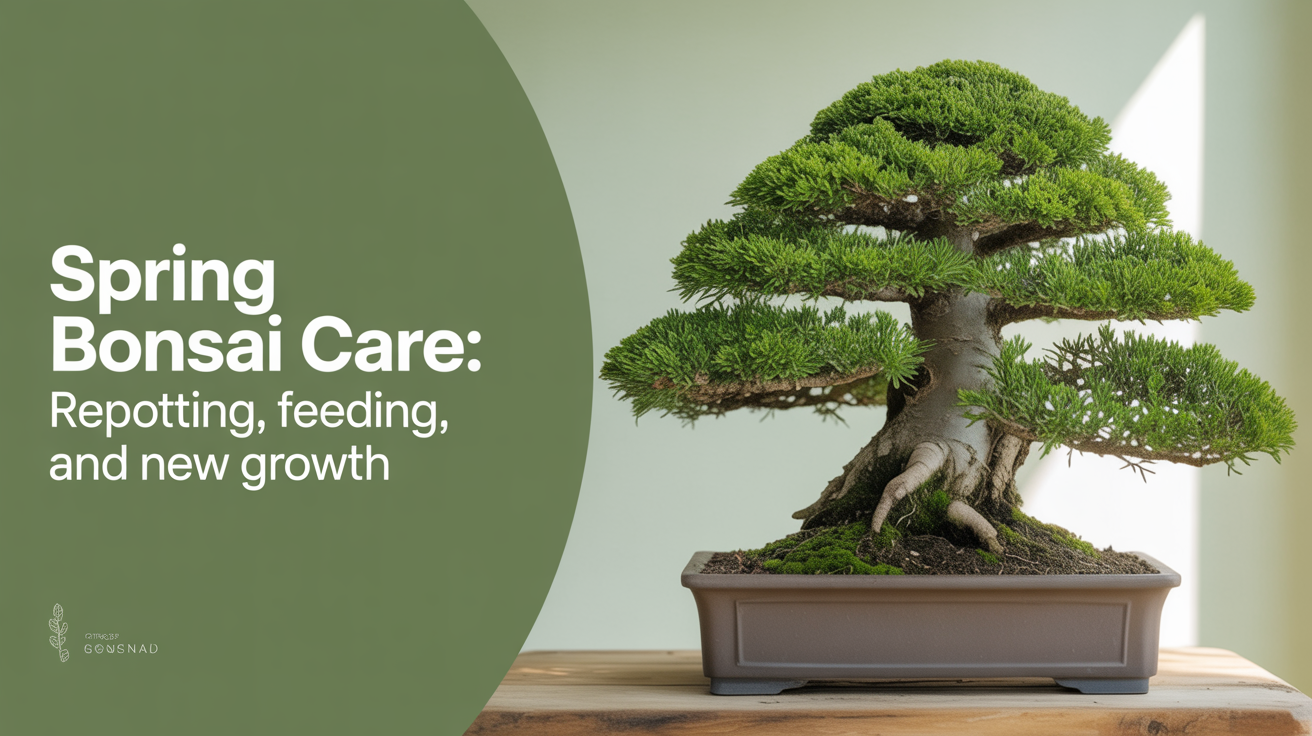
Spring is the season most bonsai trees are waiting for. After a period of rest or slow winter growth, the tree shifts back into an active growing phase, and how you respond in those first weeks shapes the whole year ahead. The short answer: spring is the time to repot if your tree needs it, start a regular feeding schedule, and pay close attention as buds break and new shoots extend.
The sections below walk through each of those spring bonsai tasks in order, so you have a clear picture of what to do and when.
Why Spring Timing Matters for Bonsai
Bonsai grown in small containers depend on you to manage what the ground would otherwise handle automatically. Nutrients run out, roots fill the pot, and the tree can not regulate these things on its own.
Spring is the window when intervention causes the least stress. The tree has energy in reserve from winter dormancy and is actively pushing resources toward new growth. Roots respond well to pruning at this stage because the canopy is about to flush, which drives regeneration from cut ends. If you miss the spring window and repot in midsummer heat, the tree has far less tolerance for disturbance.
The key marker to watch is bud swell. For most temperate species (maple, elm, juniper), you want to act just as buds begin to swell but before leaves open. Tropical species grown indoors have no true dormancy, so you watch for the same bud activity but may have more flexibility.
Spring Repotting: When and Whether
Not every tree needs repotting every spring. A good rule for beginners: check the roots, then decide.
Gently slide the tree and soil mass out of its pot (or tip the pot on its side and ease the root ball loose). If roots are circling the inside edge, tightly packed, or visibly pushing out of drainage holes, it is time. If the roots still have space and the soil drains well, you can wait another year.
Most young, fast-growing bonsai (trident maple, Chinese elm) need repotting every one to two years. Slower species like juniper or pine may go three to five years between repottings.
When you do repot in spring:
- Work quickly so roots do not dry out
- Remove no more than one-third of the root mass in a single session
- Use fresh, fast-draining bonsai substrate (akadama, pumice, and lava rock is a common mix)
- Anchor the tree in the pot so it cannot rock while new roots establish
- Hold back fertilizer for four to six weeks after repotting to avoid burning freshly cut roots
For a detailed walk-through of the root work itself, the guide on how to repot a bonsai tree covers each step. If you are not sure your tree is ready, when to repot a bonsai and how to tell helps you read the signs. And if root pruning feels intimidating, how to root prune a bonsai safely explains what to cut and what to leave.
Starting a Spring Feeding Schedule
Once new growth is actively extending (not just swelling), your tree is ready to receive fertilizer. Feeding before that point has little effect because the tree is not yet in a position to absorb nutrients.
Spring feeding goals are slightly different from other seasons. In early spring, you want to support root regeneration and the initial burst of growth. A balanced fertilizer (equal parts nitrogen, phosphorus, and potassium) works well here. As spring progresses into late spring, you can shift slightly toward a formulation with a bit more nitrogen to encourage strong shoot extension.
A few practical points for beginners:
Frequency: Liquid fertilizers can be applied every one to two weeks during active growth. Slow-release granular fertilizers can sit on the soil surface and release nutrients gradually over a month or more.
Dilution: When in doubt, go lighter than the label suggests. A diluted dose applied regularly does less harm than a concentrated dose applied occasionally.
Repotted trees: Skip fertilizer for at least four weeks. Fresh substrate has minimal nutrients, which is fine for newly pruned roots. Feeding too soon can burn the cuts before they callus.
Tropical vs. temperate: If your tropical bonsai (ficus, jade, serissa) spent winter indoors with reduced light, ease into feeding gradually. A full spring dose after a sluggish winter can sometimes cause uneven, weak growth.
Managing Bonsai New Growth in Spring
When shoots emerge and start extending, this is both an exciting moment and a moment that requires attention. Left unchecked, strong shoots will dominate weaker ones, and the tree's energy concentrates at branch tips rather than distributing evenly through the canopy.
The basic technique for managing spring bonsai new growth is pinching: removing shoot tips once they have extended to a manageable length, redirecting energy back into the interior of the tree.
How aggressively you pinch depends on the species:
| Species Type | Approach |
|---|---|
| Deciduous (maple, elm) | Pinch back to one or two leaves once shoots extend to three or four leaves |
| Juniper | Pinch extending tips with fingers (avoid cutting with scissors, which can brown the foliage) |
| Pine | Remove candles by twisting off by hand once they are partly extended but before needles open fully |
| Tropical (ficus, jade) | Pinch lightly throughout the season as new growth extends |
Do not pinch everything at once. Work through the tree over a few sessions, always leaving some foliage intact so the tree can continue photosynthesizing and powering further development.
Watching for Spring Problems
Spring growth is fast, and problems can develop quickly. Two things worth checking regularly during this period:
Pests: Aphids, spider mites, and scale insects are active in spring. Check under leaves and along new shoots. A gentle spray of water dislodges aphids. For persistent infestations, a diluted neem oil solution applied in the early morning or evening (not midday) works well for many beginners.
Sunlight adjustment: Trees that spent winter in a sheltered spot need to adjust to stronger spring sun gradually. Moving a tree from a cool, dim position directly into full summer-strength sun can scorch new growth. Ease the transition over a week or two by starting with morning sun only.
Frequently Asked Questions
Can I repot and fertilize at the same time? No. Repotting involves pruning roots, and the cut ends are vulnerable until they callus and begin to regenerate. Fertilizer salts can irritate or burn those fresh cuts. Wait four to six weeks after repotting before reintroducing fertilizer.
My tree's new leaves look small and pale. What is wrong? Pale, undersized leaves in spring can indicate several things: insufficient light, depleted soil nutrients (especially if the tree has not been fed in some time), or root problems (compacted roots that can not take up water or nutrients effectively). Check all three before assuming one cause. If the tree is due for repotting and soil looks exhausted, that is often the most likely explanation.
How do I know if I pinched back too hard? If you remove all the new growth on a branch in one session and no leaves remain, that branch cannot photosynthesize and may die back. Always leave at least one or two leaves on every branch. If in doubt, leave more than you think you need and reassess in a few weeks.
Is spring the only time I can repot? For temperate outdoor species, spring is strongly preferred because of the timing with bud break and root regeneration. Some species tolerate late-summer repotting after growth hardens off. Tropicals kept indoors can be repotted in late spring or early summer when actively growing. Outside of those windows, repotting carries more risk, especially in cold climates.
My bonsai is in its first year. Should I repot it this spring? If you recently purchased the tree and it is still in its nursery container or a starter pot, spring is a reasonable time to check the roots and consider moving it into a proper bonsai pot with fresh substrate. If it was repotted recently (within the past year), skip this spring and let the roots settle further before disturbing them again.