The Best Indoor Bonsai Trees for Low Light
Find the best indoor bonsai trees for low-light spaces. Honest species picks, grow-light tips, and care advice for beginners in apartments.
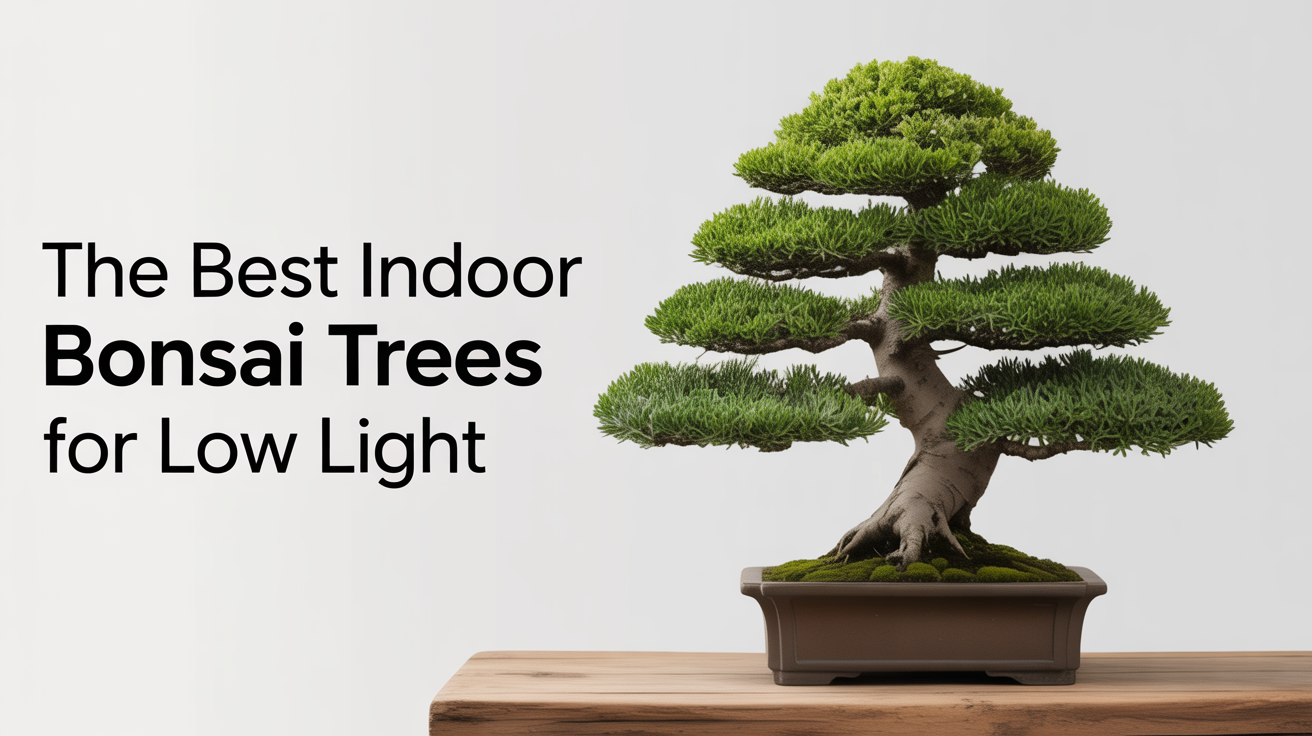
If you live in an apartment with north-facing windows or rooms that never get direct sun, here is the honest answer: no bonsai species truly thrives in deep low light. What varies is how well each species tolerates it. The trees below are the most forgiving of dim conditions, but every one of them will grow faster, look healthier, and live longer with at least a few hours of bright indirect light per day or a modest grow light placed overhead. Keep that expectation in mind and you will set your tree up for long-term success rather than slow decline.
How Much Light Does an Indoor Bonsai Actually Need?
Most tropical and subtropical species kept as indoor bonsai need somewhere between 4 and 8 hours of good light daily. "Good light" usually means a south- or east-facing windowsill where the sun reaches the leaves for at least part of the day.
Low-light conditions shrink that to 1 to 3 hours of dim, indirect light, or the glow from a north-facing window in winter. That is survivable for some species but not comfortable for any of them.
Signs a tree is not getting enough light:
- New leaves come in smaller than the old ones
- Internodes (the stem gaps between leaves) get longer and lanky
- Leaf color fades from deep green to pale or yellowish
- The tree drops leaves without any change in watering
A full-spectrum LED grow light placed 6 to 12 inches above the canopy for 12 to 14 hours a day can replace a weak window entirely. Inexpensive clip-on or bar-style models work fine; you do not need a horticultural grow tent. This is the single biggest improvement a low-light apartment grower can make.
Species That Handle Lower Light Best
These are the trees most commonly recommended for indoor beginners in low-light situations. They are ranked roughly from most tolerant to least tolerant of dim conditions.
| Species | Light Tolerance | Beginner Difficulty | Notes |
|---|---|---|---|
| Ficus retusa / Ficus ginseng | Good | Low | Drops leaves in low light but recovers; very forgiving |
| Chinese Elm | Moderate | Low | Semi-deciduous; needs more light than ficus |
| Fukien Tea | Moderate | Medium | Can cope with low light briefly; needs consistency |
| Jade Plant | Low | Low | Succulent; extremely dim rooms will stunt it |
| Dwarf Umbrella (Schefflera) | Good | Low | Adapts well; tolerates artificial light |
Ficus (Ficus retusa or Ficus ginseng)
Ficus is the most common recommendation for low-light indoor bonsai, and for good reason. It handles fluctuating conditions, tolerates some leaf drop when moved to a new spot, and bounces back once light improves. The trunk on ginseng-style ficus is naturally thick and dramatic, which makes it appealing as a first tree.
One thing to know: ficus will drop leaves if you move it or if light suddenly changes. This is stress, not death. Keep it in one spot near the brightest window you have, and it will stabilize within a few weeks.
For more on caring for this species, the ficus bonsai care for beginners guide covers watering, feeding, and pruning in detail.
Chinese Elm (Ulmus parvifolia)
Chinese elm is a top pick for indoor beginners across climates. It tolerates low-humidity apartments better than many species and can grow indoors year-round in cold regions where outdoor winters would damage it.
The trade-off: it wants more light than ficus. A weak north window through a grey winter will cause noticeable leaf drop. Pair it with a grow light if your natural light is limited, and it will reward you with dense, fine branching that looks mature even on young trees.
You can read the full care breakdown in the Chinese elm bonsai beginner's care guide.
Dwarf Umbrella (Schefflera arboricola)
Schefflera is underrated as a bonsai subject. It tolerates artificial light readily, which makes it a practical choice for offices or rooms away from windows. The aerial roots it develops over time give it a striking, banyan-like look.
Growth can be vigorous under good light, which means there is plenty to prune and shape. Under low light it slows down, which is actually manageable for a beginner who does not want to prune constantly.
Fukien Tea (Carmona retusa)
Fukien tea produces small white flowers and tiny berries, which makes it popular. It can tolerate lower light for stretches but responds poorly to inconsistency. If you move it around or let it sit in a very dark corner, it will shed leaves and struggle to recover.
This species does better with supplemental lighting than without it. If your apartment has one good window, place the Fukien tea there and consider another species for darker spots.
Setting Up a Low-Light Indoor Bonsai Space
Getting the environment right matters as much as species selection. Here are the things that make the biggest difference.
Grow lights: A basic full-spectrum LED bar costs very little and can be left on a timer. Set it to run 12 to 14 hours daily and place it close to the canopy. Most small indoor trees respond visibly within a few weeks.
Humidity: Indoor heating and air conditioning dry the air significantly. Most tropical bonsai prefer 50% humidity or higher. A humidity tray (a shallow tray filled with pebbles and water, with the pot sitting above the waterline) helps. So does grouping plants together.
Airflow: Low-light spaces often have less airflow, which can encourage fungal problems. A gentle fan on low speed nearby helps keep foliage dry and discourages mold on the soil surface.
Temperature: Most indoor bonsai species prefer stable temperatures between 60°F and 85°F (15°C to 29°C). Avoid placing trees directly in front of heating vents or drafty windows in winter.
What to Avoid
A few common mistakes that trip up beginners in low-light situations:
Overwatering is the most frequent problem. Low light means slower growth, which means the tree uses less water. Check the soil before watering rather than following a fixed schedule. Push a finger or a chopstick about an inch into the soil; if it feels moist, wait.
Choosing sun-loving species and hoping for the best. Junipers, pines, and maples are frequently sold as bonsai but they are outdoor trees that need full sun. They will decline indoors regardless of window placement. Stick to tropical and subtropical species if you are growing inside.
Putting the tree on a bookshelf away from any window and assuming it will survive. Even the most tolerant species need some light. A bookshelf in the middle of a room is not a viable long-term spot without supplemental lighting.
For a broader look at choosing a first tree for indoor growing, the 10 best bonsai trees for beginners guide covers a wider range of options with care notes for each.
Frequently Asked Questions
Can any bonsai actually thrive in a dark room?
No species genuinely thrives in deep shade. The trees listed here tolerate low light better than others, but they will grow slowly and may decline over time without some form of light, natural or artificial. A grow light is the most practical fix for truly dark rooms.
How do I know if my bonsai is getting too little light?
Watch for small new leaves, elongated stems, pale coloring, or unexpected leaf drop. Any of these, especially in combination, suggest your tree needs more light. Moving it closer to a window or adding a grow light usually stops the decline within a few weeks.
Is a grow light expensive to run?
A small LED grow light running 12 hours a day uses very little electricity, roughly comparable to a phone charger. The electricity cost is negligible for most households.
Which indoor bonsai is the most forgiving for a complete beginner?
Ficus retusa (also sold as ficus ginseng) is widely considered the most forgiving indoor bonsai for beginners. It tolerates low light, varying humidity, and the occasional missed watering better than most other species.
Can I keep a bonsai in my office with only fluorescent lighting?
Some species, particularly ficus and schefflera, can adapt to office fluorescent lighting if the bulbs are close enough and run long enough. Full-spectrum LED lighting works better than standard fluorescent tubes. Keep expectations realistic; the tree will likely grow slowly and may not look its best, but it can survive.