When and How to Defoliate a Bonsai
Learn when bonsai defoliation helps, how to do it safely, and which trees can handle it, a clear beginner guide to this advanced pruning technique.
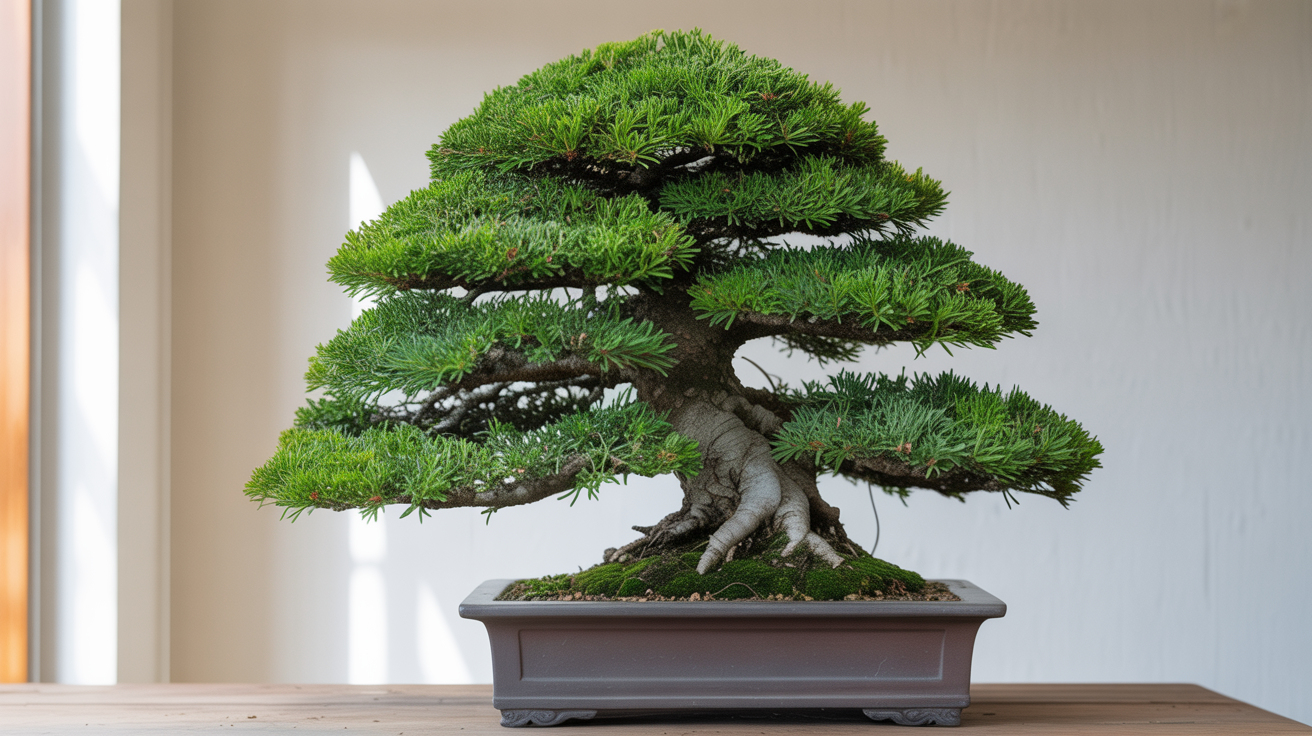
Defoliation means removing most or all of the leaves from a bonsai during the growing season. Done at the right time on the right tree, it triggers a second flush of smaller, more refined foliage. Done on the wrong species, or at the wrong moment, it can exhaust a tree that has no energy left to recover.
This guide covers what defoliation actually does, which trees can handle it, when to do it, and how to work through the process without stressing your tree beyond its limits.
What Defoliation Does (and Why Bother)
When you remove leaves, the tree reads the signal as partial defoliation or leaf loss and pushes out a new set. That second flush tends to produce smaller leaves and finer branching than the first, which is exactly what bonsai styling aims for over time.
There are two practical benefits. First, leaf size reduction: repeated defoliation over several seasons gradually brings down the average leaf size on deciduous trees. Second, ramification: the new growth often buds back closer to the branch structure, increasing twig density.
A third, more immediate benefit is visibility. Stripping the canopy lets you see the underlying branch structure clearly, which makes it easier to spot crossing branches, dead wood, or areas that need structural pruning before the next growing season.
None of these benefits are automatic. The tree has to have enough stored energy to push a second flush, and that only happens under specific conditions.
Should You Defoliate Your Bonsai? Species Matters Most
Not every tree tolerates defoliation. This is the single biggest mistake beginners make: applying a technique that works well on maples to a tree that cannot handle it.
Species that generally respond well:
- Japanese maple (Acer palmatum)
- Trident maple (Acer buergerianum)
- Zelkova
- Chinese elm (with care)
- Hornbeam
Species to avoid defoliating:
- Pines, junipers, and other conifers (they do not regenerate leaves the same way)
- Olive
- Most tropicals kept as indoor bonsai (ficus can tolerate partial defoliation but full defoliation is risky)
- Any tree that has been sick, recently repotted, or is visibly struggling
If your tree is in its first or second year in training, skip defoliation entirely. Build root mass and branch structure first. Defoliation is a refinement tool, not a foundational one.
When to Defoliate: Timing Is Not Flexible
Timing affects whether the technique works or harms the tree. The window is narrow.
For temperate deciduous trees in most climates, the correct window is early to mid-summer, after the first flush of growth has hardened off but while there is still enough of the growing season left for a full second flush to emerge, harden, and store energy before autumn dormancy.
In practical terms for many growers in the Northern Hemisphere, that means late May through late June. July defoliation gives the tree less recovery time. August is too late for most species.
Signs that the first flush has hardened off:
- New leaves have darkened from bright lime green to their mature color
- The current-year shoots feel firm rather than soft when you bend them slightly
- Growth has slowed or paused
If the tree is still actively extending new shoots, wait. Removing leaves mid-extension interrupts the growth cycle rather than redirecting it.
How to Defoliate a Bonsai: Step by Step
Before you start, make sure the tree is well-watered and has been growing in good health for the entire spring season. A stressed or dry tree should not be defoliated.
What you need:
- Sharp, clean scissors or leaf-cutters (dedicated bonsai scissors reduce crushing damage)
- A clean workspace
- Optional: liquid seaweed or diluted fertilizer for the weeks following
The process:
- Work branch by branch rather than grabbing handfuls. Cut each leaf stem (petiole) cleanly, leaving a short stub of about 5 to 10 mm. The stub falls off on its own within a week or two and causes less damage than pulling the leaf.
- Remove leaves starting at the tips and working inward. This lets you pause mid-tree and reassess without losing orientation.
- Leave any leaves near areas where you want to encourage back-budding. A small cluster of leaves on a bare section tells the tree to push energy there.
- Once finished, move the tree to a shaded spot for one to two weeks. Direct sun on bare branches is more intense than the tree is used to.
After defoliation, ease off heavy fertilizer for the first two weeks, then resume a balanced or slightly nitrogen-forward feed to support the new flush.
Partial Defoliation: A Lower-Risk Alternative
Full defoliation is not always the right call. Partial defoliation removes leaves from specific areas of the tree while leaving others intact.
This is useful when one section of the canopy has noticeably larger leaves than the rest, or when you want to encourage growth in a weak area by removing competing foliage from a stronger section. It is also the safer approach if you are unsure whether your tree is strong enough for full defoliation.
To do partial defoliation, remove leaves from the upper canopy (which tends to dominate) and the outer branch tips, while leaving foliage on the lower branches and interior of the tree. The lower branches get more light, and the tree balances out its energy distribution.
For trees in the border zone of suitability (Chinese elm, for instance), partial defoliation often gives most of the benefit with much less risk.
Aftercare: The Two Months That Matter
What happens after defoliation determines whether the technique actually helped. The new flush needs support to develop properly.
- Water carefully. Without leaves, the tree transpires less. Reduce watering frequency slightly but do not let the soil dry completely.
- Resume full sun gradually. After one to two weeks of shade, move the tree back to its normal position. New leaves are tender and can scorch quickly.
- Fertilize consistently. Once the new buds break, feed every one to two weeks with a balanced fertilizer. The tree is building an entirely new set of foliage from its reserves.
- Avoid further heavy pruning. Let the new flush develop fully before doing any pinching or tip pruning to refine the shape.
Do not defoliate the same tree twice in one season. One cycle per year is the maximum for healthy trees, and many growers only defoliate every other year.
Frequently Asked Questions
Can I defoliate a bonsai in its first year of training? No. A tree in its first year needs all of its energy to establish roots and develop branch structure. Defoliation is a refinement technique for trees that are already healthy, well-rooted, and growing vigorously. Wait at least two to three years before attempting it.
My tree lost all its leaves after defoliation and nothing is coming back. What happened? If no new buds appear within three to four weeks, the tree may not have had enough stored energy to push a second flush. Move it to a sheltered spot, keep the soil moist, and watch for any signs of life at the branch tips. Avoid fertilizing heavily until you see new growth. Some trees recover slowly; others do not. This is why checking species suitability and timing matters so much before you start.
How is defoliation different from regular pruning? Regular pruning removes branches or branch tips to control structure and direction. Defoliation removes only the leaves while leaving the branch framework intact. The two techniques serve different goals and are often used in different seasons.
Should I remove the petioles (leaf stems) or leave them? Leave short stubs rather than pulling the petioles off by hand. Pulling can tear bark tissue at the node. The stubs dry out and fall off cleanly within a week or two.
Can I defoliate a ficus bonsai? Ficus can tolerate partial defoliation but is not a classic candidate for full defoliation the way maples are. If you want to try it, remove about half the leaves, keep the tree warm and in good light, and watch how it responds before going further. Ficus kept indoors should be treated even more cautiously.