Where to Buy a Healthy Bonsai (and Avoid the Mall Tree)
Find a healthy bonsai tree from the right source. A beginner's guide to local nurseries, specialty growers, and what to avoid.
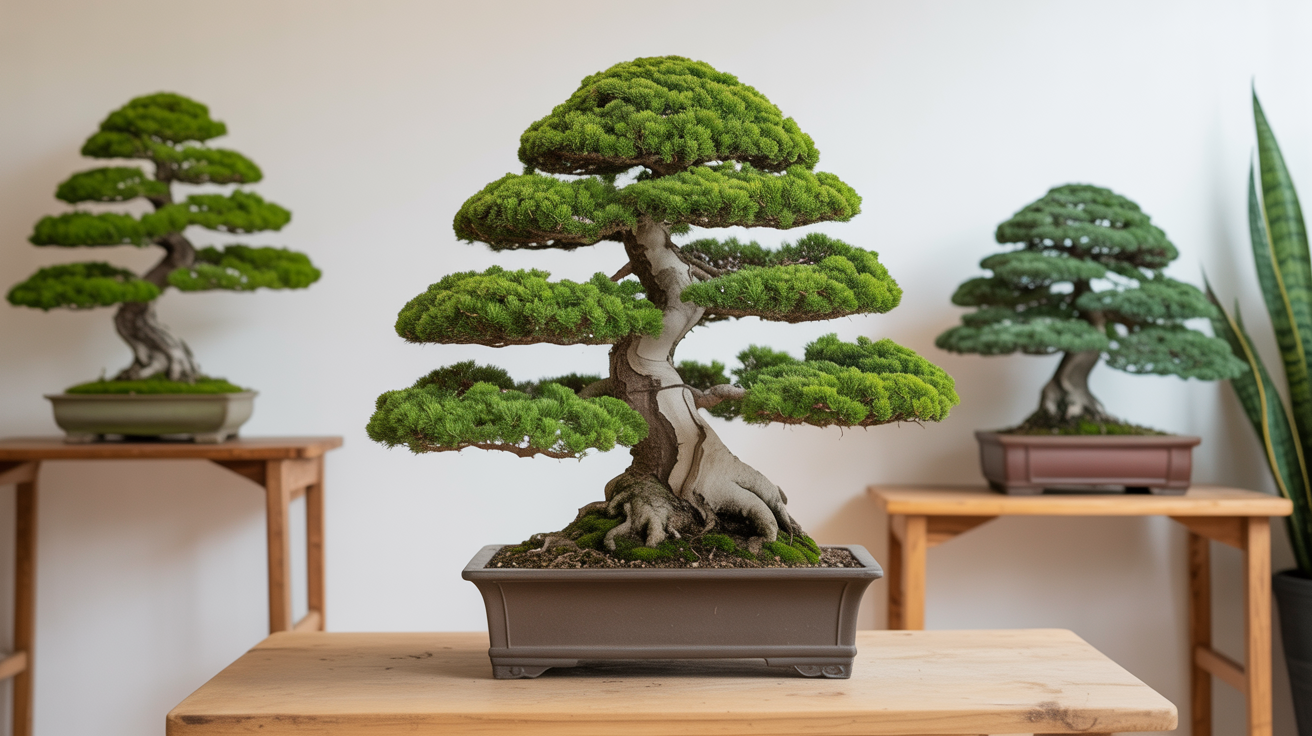
The short answer: buy from a specialist nursery, a bonsai club sale, or a reputable online grower. Avoid the impulse-buy tree wrapped in foil at a gift shop or mall kiosk. That tree is almost certainly stressed, root-bound in poor soil, and missing the care label it needs to survive past the first month.
This guide walks through where to look, what to check before you hand over money, and how to tell a healthy tree from one that was already struggling before it reached the shelf.
Why the Mall Tree Is Usually a Bad Start
Bonsai sold at malls, airport shops, and big-box garden centers are typically grown for visual appeal at the cheapest possible cost. They spend weeks or months in low light, inconsistent humidity, and soil that holds too much moisture. By the time you see one under fluorescent lighting, it may already have root rot developing or a pest colony you can't see yet.
These trees are also almost always in the wrong pot for long-term health. The decorative ceramic dish is often far too shallow, with drainage holes blocked or absent. And the care tag, if there is one, rarely tells you what species you actually bought.
That's not a beginner problem, that's a sourcing problem.
The Best Places to Buy a Bonsai Tree
Local Bonsai Nurseries and Specialty Shops
A nursery that focuses on bonsai (or at minimum carries a serious selection) is the most reliable starting point. The staff usually knows the species, the tree has been grown in better conditions, and you can inspect it in person before buying.
What to look for when you visit:
- Trees are labeled with their species, not just "juniper" or "indoor bonsai"
- Soil looks like grit and bark, not dense potting mix
- Pots have drainage holes
- Staff can answer care questions without looking something up on a phone
You don't need to spend a lot. A $30 to $60 tree from a specialty nursery is a far better investment than a $25 mall tree that will need intensive rescue work.
Bonsai Club Sales and Shows
Most bonsai clubs run annual sales, auctions, or shows open to the public. These events are worth attending even if you don't buy anything the first time. Members often sell trees they've been growing for years at prices well below what a specialty shop charges, and many are happy to tell you exactly what the tree needs.
To find clubs near you, search "[your city] bonsai society" or check the American Bonsai Society's directory. The trees at club events tend to be healthier and better developed than anything you'll find retail.
Reputable Online Bonsai Growers
Buying a tree you can't inspect sounds risky, but several specialist online growers have earned strong reputations over time. These companies ship trees carefully, provide species-specific care notes, and often guarantee the plant's arrival condition.
Before ordering online:
- Look for growers who clearly state the species (not just "tropical bonsai")
- Read recent reviews that mention actual tree condition on arrival
- Check that they ship during appropriate temperature windows for your region
- Avoid marketplaces where individual sellers undercut each other on price; quality control is inconsistent
For a beginner, stick to species that travel well. Ficus and Chinese elm handle shipping stress better than something like a juniper or maple, which is more sensitive to disruption. See our guide to the best starter species for a full comparison.
General Nurseries and Garden Centers (With Caution)
A general nursery is not automatically a bad source. Some carry well-grown junipers, azaleas, or maples that work as pre-bonsai material, meaning trees not yet styled as bonsai but healthy enough to start training. The risk is that the staff may not know what the tree actually needs, and care conditions at a general nursery are rarely optimized for bonsai.
If you go this route, look for the tree itself, not the pot. A healthy root system and clean foliage matter more than a fancy container. You'll likely repot it anyway.
Are Cheap Bonsai Worth It?
This depends on what you mean by cheap. A $20 to $40 tree from a club sale or specialty nursery can be excellent value. A $15 tree from a clearance shelf at a home goods store is almost certainly in trouble.
The real cost of a cheap mall tree is the time and frustration spent trying to save a stressed plant. For a first-time grower, that experience can kill enthusiasm for the hobby entirely. Starting with a healthier tree from a better source costs a little more upfront but dramatically improves your odds of early success.
That said, you don't need to spend $200 on a developed tree as a beginner. A young, healthy specimen in the $40 to $80 range from a reputable source gives you a solid foundation to work from.
What to Check Before You Buy
No matter where you shop, take a few minutes to look at the tree before buying it.
Foliage: Leaves or needles should look firm and appropriately colored. Yellowing, browning at the tips, or unusual spots can signal stress, root problems, or pests.
Pot and drainage: The pot should have drainage holes. Lift the pot if you can. If it feels very light, the roots may not have grown in. If it feels waterlogged and heavy, the soil may be retaining too much moisture.
Roots: You shouldn't see roots circling the base of the trunk above the soil, but surface roots visible at the nebari (base of the trunk) are a good sign on more mature trees.
Pests: Check the undersides of leaves and the soil surface for fine webbing, tiny insects, or unusual residue. Scale insects often look like small brown bumps on stems.
Label: If there's no species label, ask. If the staff member isn't sure, that tells you something about the operation.
If you're deciding between species, Chinese elm and ficus are both forgiving choices that are widely available and easier to find in good condition.
Frequently Asked Questions
Can I find a good bonsai at a hardware store or big-box garden center?
Occasionally, but you're mostly looking at pre-bonsai material (untrained nursery stock) or trees that have been sitting in inadequate conditions. If the tree is healthy, the species is labeled, and the price is reasonable, it can be worth it. Inspect carefully and don't assume the care tag is accurate.
What species are easiest to find from good sources?
Ficus, Chinese elm, juniper (outdoor), and Japanese maple (as pre-bonsai material) are the most common in specialty nurseries and club sales. These are also among the best choices for beginners because care information is widely available.
Is it safe to buy bonsai from online marketplaces like Etsy or eBay?
Some sellers on these platforms are legitimate growers with good track records. Others are reselling stressed stock from wholesalers. Look for sellers with many recent reviews that describe condition on arrival, not just appearance. Avoid listings that use vague species names or don't mention shipping conditions.
Should I repot a new bonsai right away?
Generally no. Let a new tree settle into your environment for at least four to six weeks before doing any repotting. Repotting is stressful for the tree, and doing it while the tree is still adjusting to a new light, humidity, and temperature situation compounds that stress. The exception is if the tree is clearly in failing soil or has visible root rot.
How do I know if a bonsai nursery is reputable?
Reputation in this hobby tends to travel by word of mouth. If a local bonsai club has members who buy from a specific nursery or grower, that's a strong endorsement. Online, look for sellers who provide species-specific care notes, respond to questions before purchase, and have consistent reviews mentioning healthy arrival condition.