Pine Bonsai Care for Beginners: From Watering to Candling
Pine bonsai care differs from most starter trees. Here's the honest version: light, watering, soil, and candle pruning explained plainly.
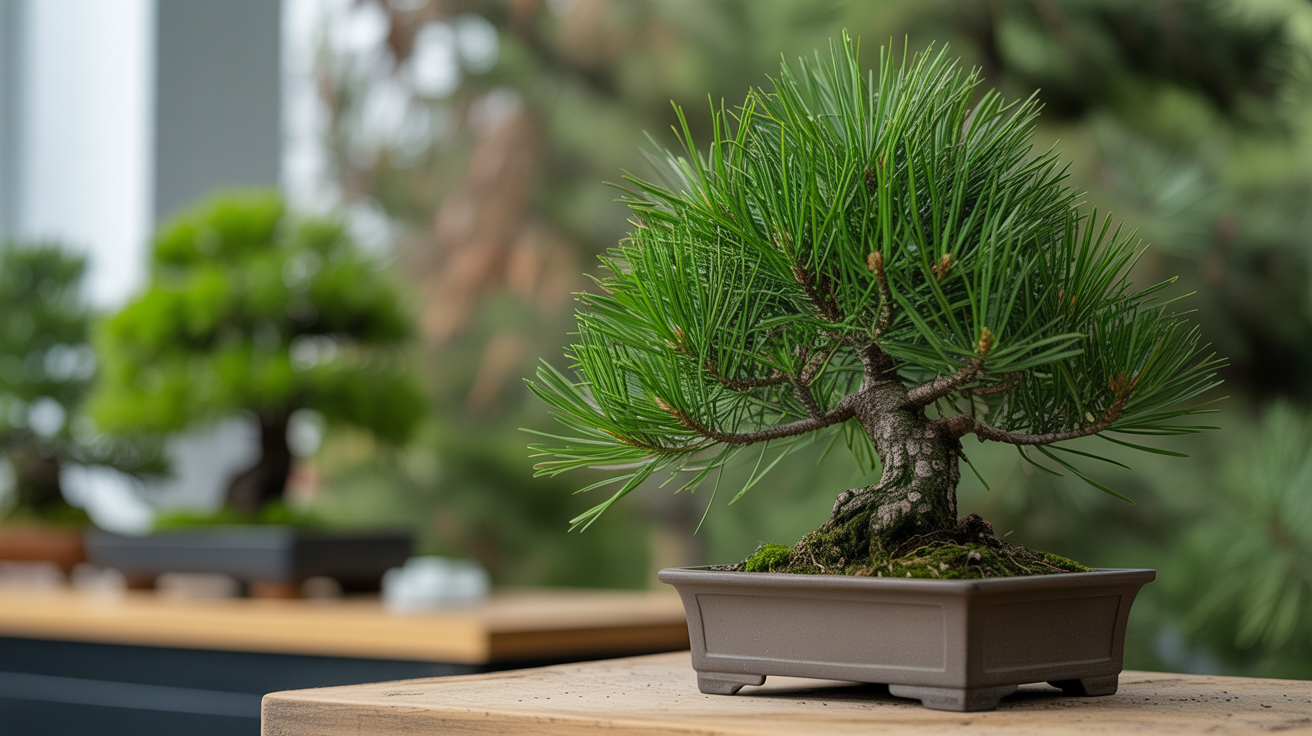
If you've spent any time in bonsai forums, you've run into the warning: pines aren't a beginner tree. There's truth in that, but it isn't the whole story. Pine bonsai care differs from caring for the ficus or Chinese elm most starter guides steer you toward, and that difference, more than raw difficulty, is what trips people up. A black pine or Japanese white pine wants full sun, soil that drains fast, and a watering rhythm that runs almost opposite to what most people learn on their first tree. Get those three things right and a pine is manageable. Get them wrong and the tree can sit there looking fine for months before it finally shows you the damage.
Why pine has an advanced reputation, and where that's fair
Part of the reputation is deserved. Pines grow slowly compared to a ficus or an elm, so a care mistake doesn't announce itself right away. Overwater a tropical species and you might see drooping leaves within days. Overwater a pine and the roots can rot quietly while the foliage still looks green, and by the time needles start browning the damage is already done. That lag between cause and symptom is what catches people off guard.
There's also the matter of source material. A lot of the pine stock sold as "bonsai" at big box nurseries is really young field-grown nursery stock with a shape wired on, not a tree that's been developed for pot life. It can take real pruning knowledge to turn that kind of stock into something that looks intentional, which is a different skill from keeping a tree alive.
None of that means a pine will punish a careful beginner. It means the plant rewards patience and observation more than it rewards enthusiasm, and it's less forgiving of guesswork than the usual starter species.
Light: pines want more sun than most people expect
This is the easiest requirement to get wrong by being too gentle with your tree. Pines are full-sun plants in the wild, often growing on exposed rock or thin mountain soil where nothing else competes for light. A spot on a windowsill, even a bright one, is not enough. Outdoors, all day, is the general aim, with only the harshest summer afternoon sun in very hot climates needing a little relief.
This is also why pine isn't a candidate for indoor bonsai the way some tropical species can be. If you're still deciding between growing indoors or out, it's worth reading through indoor vs outdoor bonsai: which should a beginner choose before you commit to a pine, since the answer for pine specifically is simple: outdoors, full sun, no exceptions.
Watering: the real core of pine bonsai care
If there's one habit that separates people who succeed with pine and people who don't, it's watering discipline. Most moisture-loving bonsai species want soil that stays consistently damp, and a beginner who's used to that pattern will often carry it straight over to a pine, watering on a fixed schedule regardless of what the soil is actually doing. That's the single most common way to kill one.
Pines want the soil to approach dryness between waterings. Not bone dry to the point of wilting, but noticeably drier than you'd let a ficus or an azalea get. Check by feel, a finger or a wooden skewer pushed into the soil near the edge of the pot, rather than by the calendar. When it's time to water, water thoroughly until it runs from the drainage holes, then leave the tree alone until it's dry again rather than giving it a light sprinkle every day.
The forgiving side of this is that a pine tolerates a missed watering or a stretch of dry weather far better than it tolerates wet feet. If you're new to reading soil moisture in general, how to water a bonsai tree the right way covers the basic technique that applies across species, and you can adjust the frequency down once you're working with a pine specifically.
Soil: drainage above everything else
Watering discipline only works if the soil actually lets water pass through and air reach the roots between sessions. Ordinary potting soil, the kind meant to hold moisture for houseplants, works against a pine at every turn. It stays wet at the core long after the surface looks dry, which sets up exactly the slow root rot described earlier.
A pine mix typically leans harder on mineral, fast-draining components such as akadama, pumice, and lava rock than a mix built for a moisture-loving deciduous tree would. The goal is a substrate that drains within seconds of a thorough watering and still holds enough moisture and structure for roots to use before the next watering. Particle size matters as much as ingredient choice. Fine, dusty material compacts and chokes drainage over a season or two, so bonsai-specific graded soil, not garden soil sifted at home, is worth the extra cost while you're learning. For a fuller breakdown of ratios and how they shift by tree type, see bonsai soil explained: what mix to use.
Candle pruning and needle plucking follow their own calendar
Deciduous bonsai get pruned largely while they're dormant or right after a flush of spring growth. Pines work on a different rhythm built around candles, the soft, upright shoots of new growth that emerge in spring before needles unfurl and harden.
Candle pruning, in plain terms
Each branch tip can send up one dominant candle and several smaller ones. Left alone, the strongest candles keep getting stronger and the weaker ones fall further behind, which pulls the tree's energy toward its top and outer tips rather than spreading it evenly. Candle work, cutting the strongest candles back and leaving weaker ones closer to full length, evens that out over a season so the whole tree grows at a more balanced pace. Timing depends on your local growing season and how vigorous the individual tree is, so this is one area where watching your own pine and reading a dedicated pine-specific guide pays off more than following a fixed date.
Needle plucking
Later in the growing season, older needles get thinned or plucked by hand, mostly to let light reach the branch interior and encourage back budding rather than letting growth push out to the tips only. It's a slower, fussier task than most deciduous pruning, done needle by needle rather than with a single cut, and it's easy to overdo on a young or stressed tree. Go lighter than you think you need to the first few times.
This is the part of pine care that has the steepest learning curve, and it's also the part that most rewards experience over instructions. A photo guide or an experienced grower looking at your specific tree will teach you more here than any general timeline can.
Is a pine the right tree for you right now?
Here's the honest version of the beginner-tree conversation. A pine isn't a good choice for someone's very first bonsai, mostly because the watering pattern runs opposite to what you'll instinctively want to do, and the slow feedback loop makes it hard to learn from mistakes quickly. It's a much better fit for someone who already has one easier species established, has gone through a full growing season with it, and has gotten comfortable checking soil moisture by feel instead of habit.
If you're still shopping for that first tree, the 10 best bonsai trees for beginners covers species that give faster feedback and tolerate more beginner error while you build those habits. Once watering by feel feels automatic rather than effortful, a pine becomes a reasonable, satisfying second tree rather than an early source of frustration.
Frequently Asked Questions
Is pine bonsai hard for a first tree?
Not impossible, but not the easiest place to start either. The watering pattern runs opposite to most moisture-loving starter species, and mistakes take longer to show up, so it's easier to learn the wrong habits before you notice a problem. Most people have better luck starting with a more forgiving species and moving to pine once they're reading soil moisture confidently.
How often should I water a pine bonsai?
There's no fixed schedule. Check the soil by feel or with a skewer and water thoroughly once it's approaching dryness, then leave it alone until it dries out again. That interval changes with weather, pot size, and season, which is exactly why watering by calendar tends to go wrong with pines.
Can a pine bonsai live indoors?
No, not long term. Pines need full outdoor sun and the seasonal temperature changes that come with it. A windowsill, even a sunny one, doesn't supply enough light, and pines kept indoors year-round tend to decline gradually rather than thrive.
When do I candle prune a pine bonsai?
Candling happens in spring, once new candles have extended but before their needles have fully hardened. The exact window shifts with your climate and the tree's vigor, so it's worth watching your specific tree's growth each year rather than working from a fixed date.
Do pine bonsai need repotting as often as other species?
Generally less often. Many pines are repotted on a longer cycle than fast-growing deciduous trees since their roots develop more slowly, though the right interval still depends on pot size, soil breakdown, and root growth rather than age alone. Checking the roots at repotting time tells you more than counting years.