What Is the Best Time of Year to Start Your First Bonsai Tree?
The best time to start bonsai depends on species and season, not a fixed date. Here's what to do (and skip) whenever you bring your first tree home.
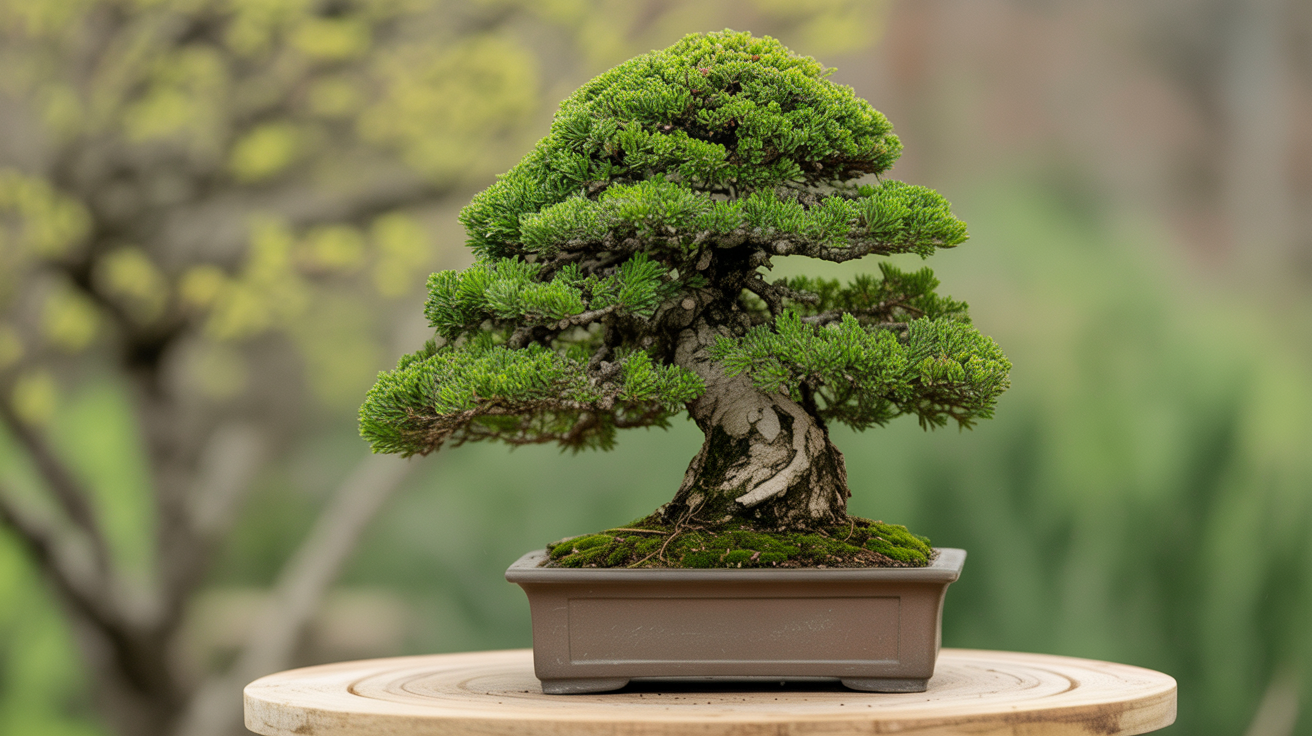
If you're standing in a nursery aisle wondering whether this is even the right month to buy a bonsai, the short answer is: almost any month works, but your first few weeks of care look different depending on when you start. The best time to start bonsai, for a temperate outdoor tree, is generally early spring, just as buds begin to swell and before the tree pushes new leaves. That's when root work is safest and the growing season ahead gives the tree time to recover. But spring isn't a hard requirement. Trees bought in summer, fall, or the dead of winter can all thrive under a beginner's care, as long as you match your first few weeks of handling to the season, not a generic checklist.
A lot of beginner bonsai deaths happen not because the owner picked the "wrong" tree, but because they treated a winter purchase like a spring one, or repotted a tree that had just gone dormant. Timing your first moves to the calendar, rather than to enthusiasm, is one of the cheapest ways to keep a first tree alive.
Why Spring Is the Classic Starting Point
Spring nursery stock has a built-in advantage: the tree is about to enter its most vigorous growth phase of the year. If you buy in early spring and need to do root work, a bare-root inspection, or a modest repot into bonsai soil, the tree has months of active growth ahead to rebuild fine roots and recover. Nurseries also tend to stock their healthiest material in spring, since that's when general gardening demand peaks.
For a beginner, spring is the season where you can do the most (assess the roots, correct a bad nursery pot, begin very light structural pruning) with the least risk. New growth also tells you quickly whether the tree is settling in, where a dormant winter tree gives almost no feedback for months. None of this makes spring mandatory. It just gives you the widest margin for error, which is what a first tree benefits from.
Buying in Deep Winter: Do Less, Not More
If your first tree comes home in December, January, or February, the instinct to "get started" on shaping or repotting is the biggest risk to it. A dormant or semi-dormant outdoor species is running on stored energy, and its roots aren't actively growing, so any root disturbance now has to be repaired later, out of savings it hasn't replenished yet.
The right approach for a winter start is a holding pattern: protect the tree from hard freezes and drying wind, keep the soil from fully drying out without waterlogging it, and leave the roots alone until you see clear signs of the growing season starting up. If the nursery pot isn't falling apart or rotting the roots, the tree can usually just sit through winter as it is. Save the pot upgrade, soil change, and any real structural work for when buds visibly begin to swell.
This is a good stretch to read and plan instead. If you haven't worked through the fundamentals yet, a complete beginner's guide to starting bonsai is a good use of a slow winter month.
Summer and Fall Starts: What Changes
A summer start puts you in the opposite situation from winter: the tree is fully in leaf and under heat stress, water demand is at its yearly peak, and watering mistakes show up fast. Avoid major root work in summer heat, since even a light repot can tip a stressed tree over the edge. Summer is good for observation and light shaping instead. You can see the full canopy and branch structure, which makes it a reasonable time for gentle pinching or thin, minor pruning rather than heavy cuts.
A fall start sits between the two extremes: past vigorous new growth but not yet fully shut down. Fall is a secondary window for cautious root work on species that tolerate it, done early enough for the tree to settle before winter, but it carries more risk than spring and isn't the place to experiment on your first tree. Treat fall like a lighter version of spring: modest care adjustments are fine, but save significant root work for the following spring unless you have good reason not to wait.
Spring, Summer, Fall, Winter: A Quick Comparison
| Season bought | Do right away | Avoid right away |
|---|---|---|
| Spring | Assess roots, correct a poor nursery pot if needed, begin very light pruning, start a normal watering and feeding routine | Heavy wiring or drastic pruning before the tree has pushed new growth and settled in |
| Summer | Observe canopy shape, water attentively (summer heat dries pots fast), light pinching only | Repotting or major root work while the tree is under heat stress |
| Fall | Light care adjustments, minor cleanup pruning, prep for winter protection | Significant root disturbance this late unless you're experienced with the species |
| Winter | Protect from hard freezes and wind, monitor soil moisture, plan and read | Repotting, heavy pruning, or any real root work until buds swell in spring |
The pattern underneath the table: the closer a tree is to active root growth, the more disturbance it can absorb. The closer to dormancy, the less it can recover from, so you do less and wait more.
Indoor Tropical Trees Play by Different Rules
Everything above assumes an outdoor temperate species, something like a juniper, maple, or elm that goes dormant with the cold season. If your first tree is an indoor tropical (a ficus is the classic beginner example), the seasonal calendar matters far less. Kept in stable indoor warmth and light, a ficus bought in January isn't nearly as fragile to root work as a juniper bought the same week. Still, "far less season-locked" isn't "not seasonal at all": indoor tropicals grow a bit more vigorously when daylight lengthens, so repotting or heavier pruning during that stretch gives a bit more margin than doing it in the darker months.
If you're not sure whether your first tree should even be an indoor or outdoor species, sort that out before you worry about timing. This guide on choosing between indoor and outdoor bonsai as a beginner walks through the tradeoffs, and the season question tends to answer itself once you know which category your tree falls into.
What to Actually Do in Your First Weeks, Whenever You Start
Rather than treating "the right season" as a single yes-or-no gate, think about what your particular start date allows.
- In a strong growth window (spring for temperate trees, brighter months for tropicals), you have the widest range of options: assessing roots, light structural work, a full watering and feeding routine.
- Near or in dormancy, your job is protection and observation, not intervention. Keep the tree alive and stable, and let the calendar bring the next safe window for real work.
- Regardless of season, don't do everything at once. A tree that just changed hands is already adjusting to new light, water, and environment. Layering a repot, a hard prune, and heavy wiring onto the same week is how beginners lose trees that would otherwise have been fine.
One task beginners often rush regardless of season is repotting, largely because it feels like the "real" bonsai step. This guide on when to repot and how to tell covers the cues that matter more than the month on the wall.
Choosing the Tree Matters as Much as Choosing the Date
Timing helps, but it can't rescue a tree that was unhealthy before you bought it. A stressed, root-bound tree purchased at "perfect" spring timing can still struggle, while a less-than-ideal purchase month on a genuinely healthy tree usually works out fine. If you haven't bought your tree yet, spend more energy on how to pick a healthy bonsai at the nursery than on hunting for a precise date. A healthy tree bought in a so-so month will generally outlast a compromised tree bought at the ideal one.
Frequently Asked Questions
Is spring really necessary, or can I start in any season?
Spring is easiest because it gives a temperate tree the most time to recover from root or structural work before winter. It isn't strictly necessary. Trees can be started in any season as long as you scale back what you do (skip repotting and heavy pruning outside the growing season) rather than following a spring routine year-round.
I bought my tree in winter. Should I repot it right away to get it into proper bonsai soil?
No. Wait until you see clear signs the tree is coming out of dormancy, typically swelling buds or the first hint of new growth, before doing any root work. Repotting a dormant tree removes roots it can't yet regrow, one of the more common ways beginners lose a winter purchase.
Does the "best time" change for tropical species like ficus?
Yes, though less dramatically than people expect. Indoor tropical bonsai aren't locked to the same dormancy cycle as outdoor temperate trees, so they tolerate root work across a wider stretch of the year, but they still handle it best during their stronger growth periods, usually when daylight is longer.
What's the single biggest mistake tied to bad timing?
Doing major root work on a tree that's dormant or heavily stressed by heat. Both situations remove the tree's ability to quickly regenerate the roots you just disturbed, which is why spring and, to a lesser degree, early fall are favored over deep winter and peak summer for that task.
If I can only care for the tree lightly at first, what should I prioritize?
Consistent, correct watering. Nearly every timing consideration above exists to protect the tree until it can grow new roots, but a tree watered wrong can decline regardless of season. Get watering right first, then layer in structural work once the season and the tree's own signals say it's ready.